About This Image
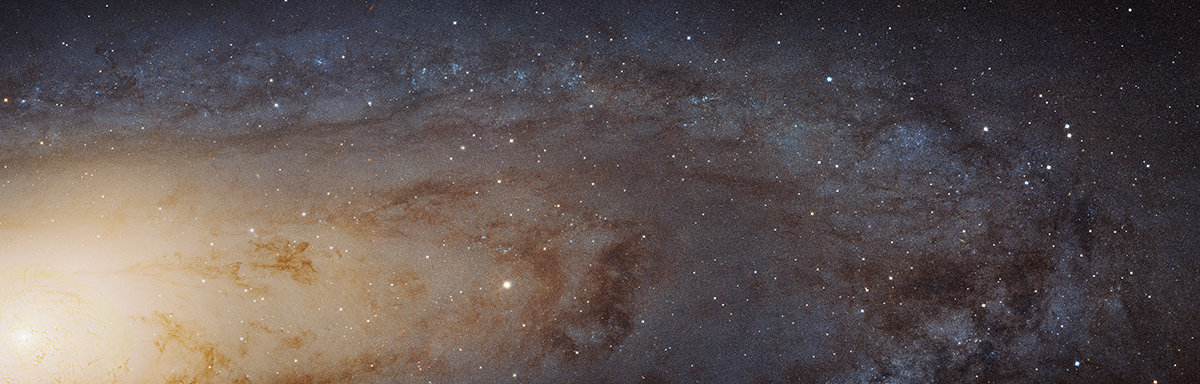
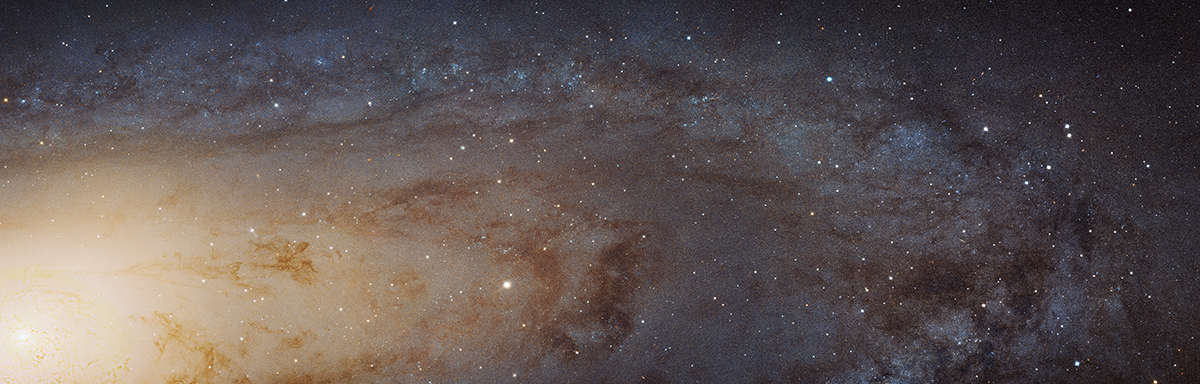
This breathtaking portrait showcases over 100 million stars within a portion of the Andromeda galaxy, our nearest large galactic neighbor located over 2 million light-years away. This magnificent mosaic represents the largest image ever assembled by Hubble, stitched together from thousands of individual exposures to create an unprecedented view of our sister galaxy. The incredible detail reveals individual stars, star clusters, nebulae, and dust lanes with stunning clarity, allowing astronomers to study stellar populations and galactic structure in ways never before possible. Andromeda, also known as M31, is similar in size and structure to our own Milky Way and is on a collision course with our galaxy, destined to merge in approximately 4.5 billion years. This remarkable image serves as both a scientific treasure trove and a humbling reminder of the vast scale and beauty of the cosmos beyond our own galactic home.
Scientific Significance
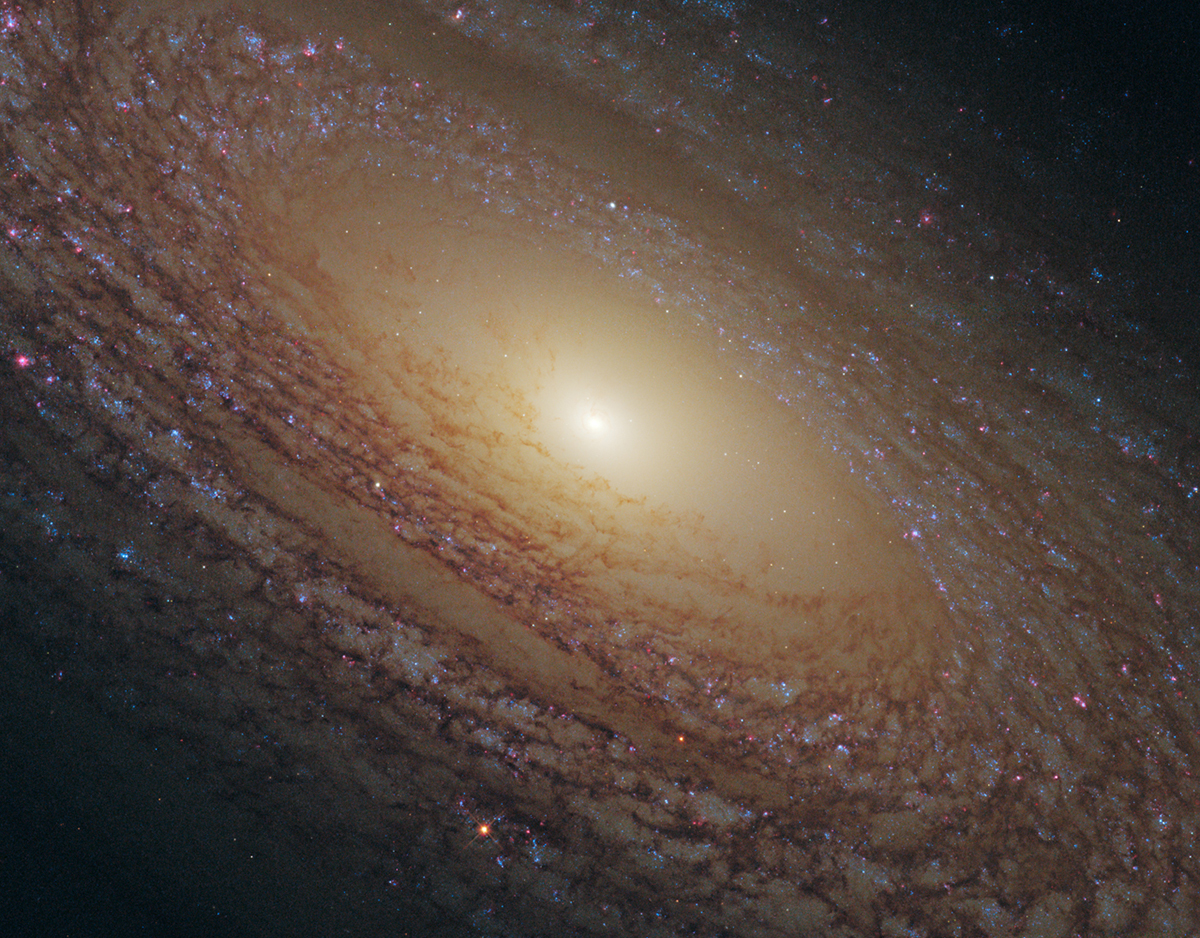
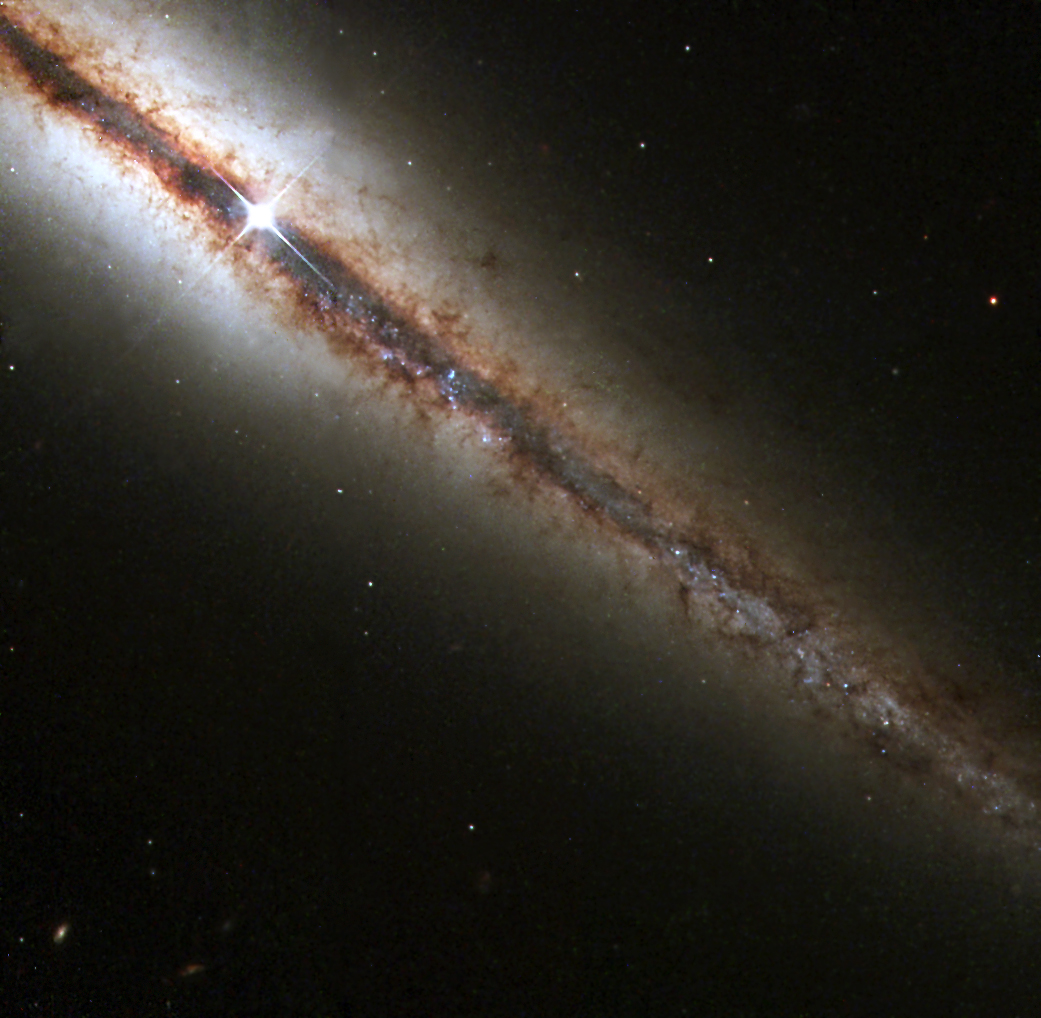
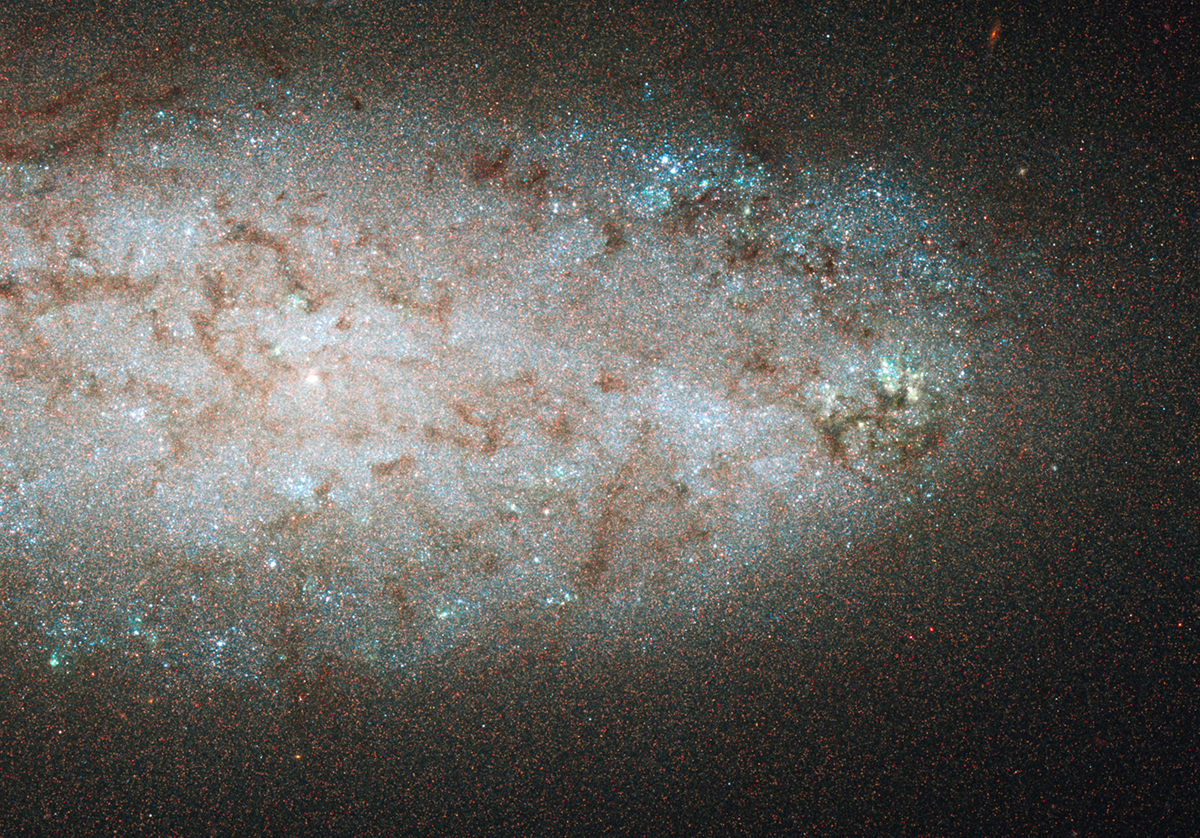
This alternate portion of the Andromeda mosaic highlights different stellar populations and structural features within M31, complementing the broader survey. Andromeda's sheer proximity allows Hubble to resolve individual stars across diverse galactic environments — from the crowded central bulge to the sparse outer disk and halo. By studying color-magnitude diagrams of millions of resolved stars, astronomers can reconstruct the star formation history of Andromeda's different regions, revealing episodes of enhanced and suppressed star formation over billions of years. These observations have uncovered evidence of past minor mergers, including streams of tidally disrupted satellite galaxies woven through Andromeda's halo. Comparing Andromeda's merger history with that of the Milky Way helps constrain hierarchical galaxy assembly models central to modern cosmology. Additionally, mapping the distribution and kinematics of Andromeda's stellar populations provides direct measurements of the galaxy's dark matter halo, contributing to our understanding of dark matter on galactic scales.
Observation Details
This image represents a different section of the Panchromatic Hubble Andromeda Treasury (PHAT) mosaic, capturing a distinct region of M31's disk. Hubble's Advanced Camera for Surveys (ACS) provided high-resolution visible-light imaging, while the Wide Field Camera 3 (WFC3) contributed ultraviolet and near-infrared data. The combination of six photometric filters spanning from the ultraviolet to the near-infrared enabled precise stellar classification. Each pointing required multiple dithered exposures to fill detector gaps and reject cosmic rays, with total integration times of several thousand seconds per filter.
Location in the Universe
Constellation
Andromeda
Distance from Earth
2.5 million light-years
Fun Facts
- 1
Andromeda's halo of diffuse stars extends outward nearly 2 million light-years from its center, meaning its outermost reaches are already mingling with the Milky Way's own halo.
- 2
The Andromeda Galaxy hosts about 450 globular clusters — dense balls of ancient stars — nearly three times the number found orbiting the Milky Way.
- 3
Charles Messier catalogued Andromeda as M31 in 1764, but the galaxy was first described by the Persian astronomer Abd al-Rahman al-Sufi in 964 AD, who called it a 'small cloud.'
Image credit: NASA, ESA, Hubble Space Telescope