Hubble Image Categories
This category hub groups the full Hubble Birthday archive by object class so users can compare similar targets across the year. Each category page includes scientific context, object counts, and direct links into image detail pages. This structure improves discovery for users who are searching by topic rather than date and also strengthens internal linking for search engines. If you are interested in a specific class of objects such as nebulae or interacting galaxies, start here and then drill into the dedicated list pages.
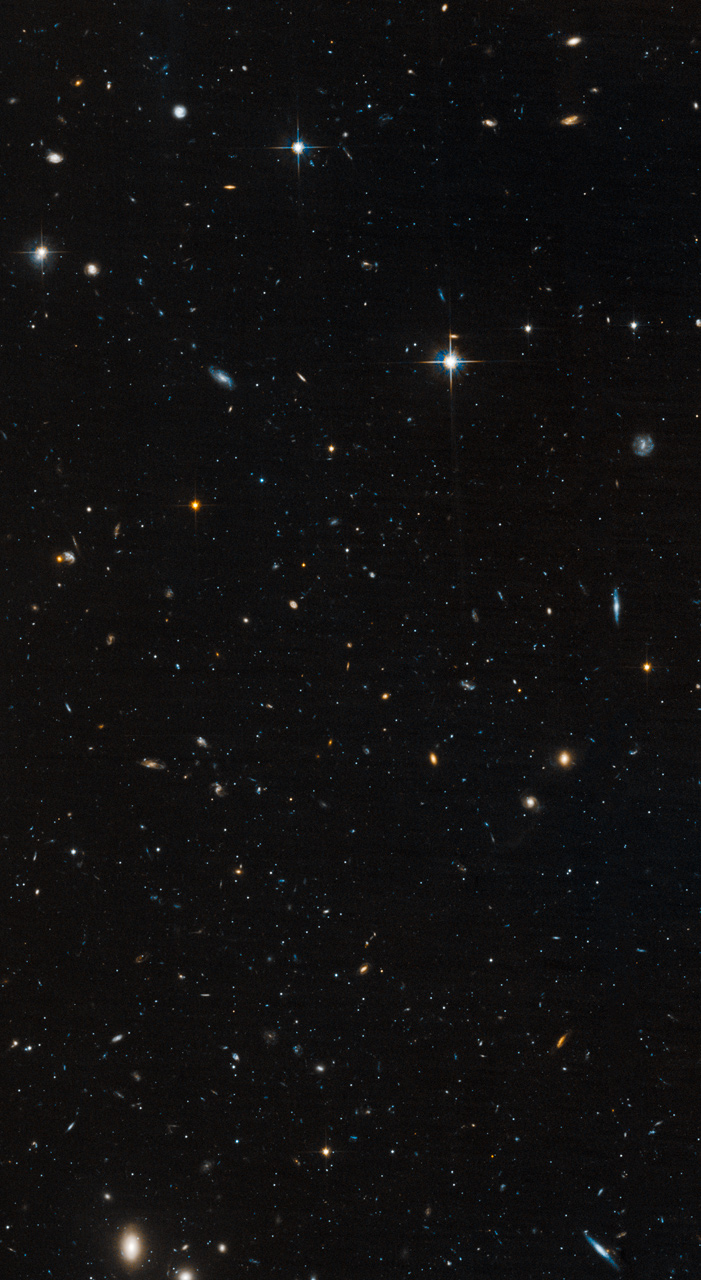
Galaxies
189 imagesSpiral, elliptical, dwarf, interacting, and deep-field galaxy observations.
Galaxy images are the backbone of Hubble's legacy. This collection includes spirals with active star-forming arms, massive elliptical systems, dwarf galaxies that preserve clues from the early universe, and dramatic mergers where gravity reshapes entire stellar cities. Hubble's high-resolution imaging allows astronomers to separate stellar populations, dust lanes, and ionized gas regions at scales that are impossible from most ground-based telescopes. These observations are used to study dark matter, distance calibration, black hole growth, and the long-term evolution of structure in the universe. When you browse this category, you are effectively stepping through multiple chapters of cosmic history, from nearby calibration targets to distant systems whose light has traveled for billions of years.
Explore Galaxies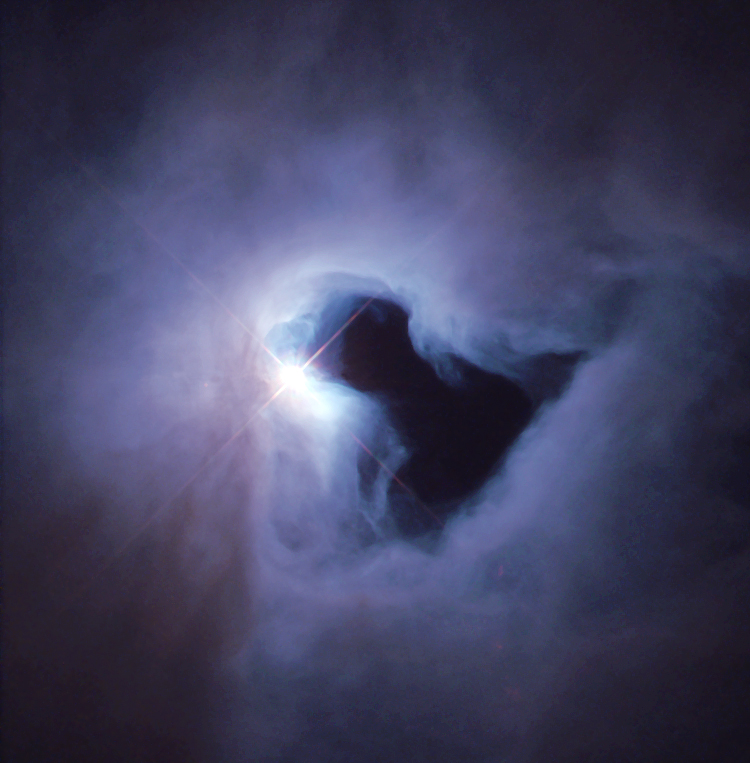
Nebulae
49 imagesEmission nebulae, dark clouds, star nurseries, and ionized gas structures.
Nebulae reveal how stars are born, how they influence their surroundings, and how stellar feedback sculpts the interstellar medium. In these images, Hubble resolves pillars, ionization fronts, shock boundaries, and embedded young stars with exceptional clarity. Many of these regions are active stellar nurseries where ultraviolet radiation from massive stars simultaneously triggers and suppresses new star formation. By comparing nebulae in different environments, astronomers constrain gas density, temperature, chemical composition, and mass-loss rates under real astrophysical conditions. This category is especially useful for education because it visually connects abstract processes such as feedback, collapse, and photoevaporation to concrete structures you can see directly in each frame.
Explore Nebulae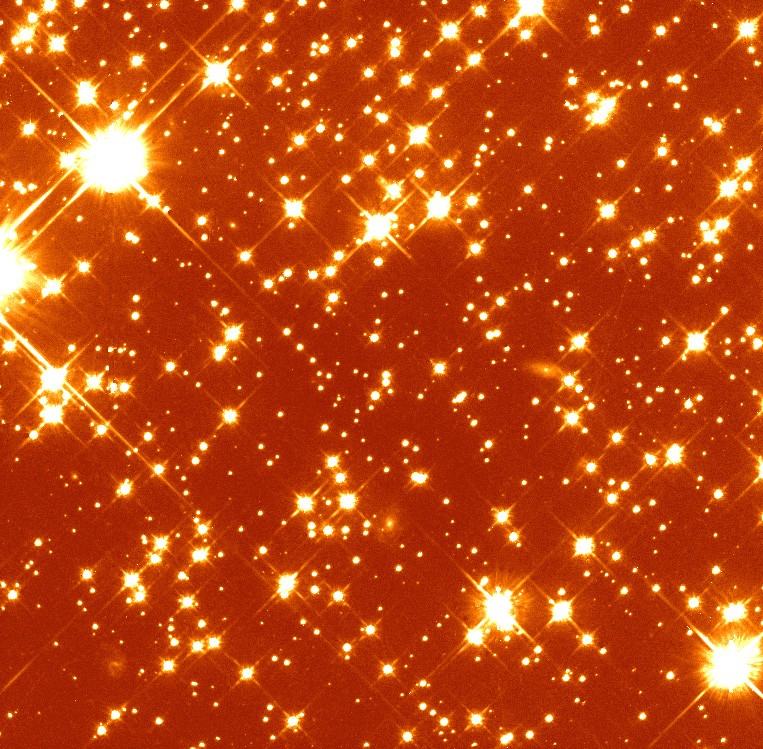
Star Clusters
19 imagesOpen clusters, globular systems, and dense stellar populations.
Star clusters are natural laboratories for stellar evolution because their stars formed from related material and are often at similar distances. Hubble resolves crowded cluster cores, allowing precise color-magnitude measurements and age estimates that are central to astrophysics. These datasets help scientists test stellar evolution tracks, trace metallicity history, and understand how clusters dynamically evolve under gravity and feedback. Some clusters in this category are young and actively forming massive stars, while others are ancient systems that preserve information from the early Milky Way. By comparing young and old clusters in one place, this section gives a clear, data-driven view of how stars and stellar systems change over cosmic time.
Explore Star Clusters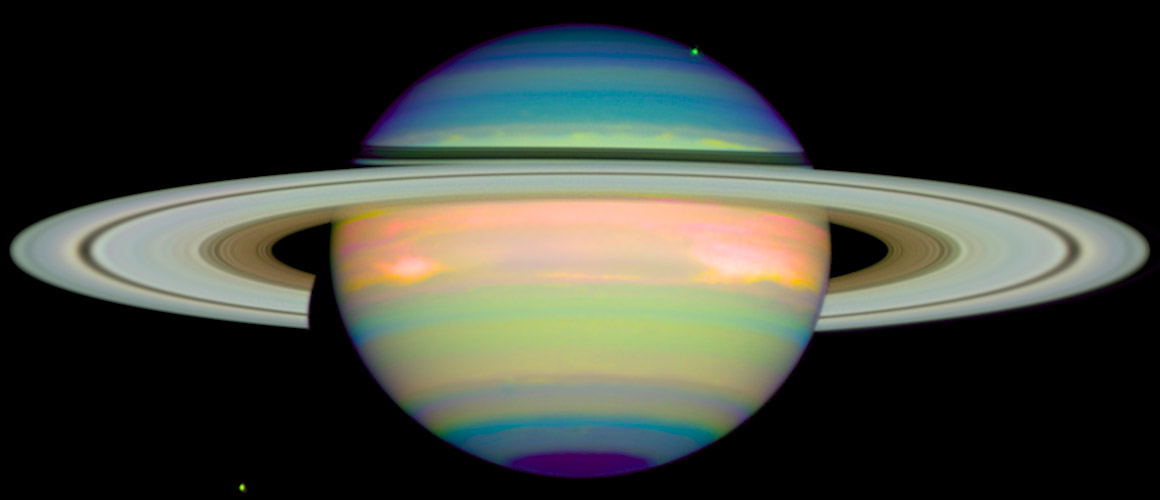
Planets
56 imagesSolar system targets, atmospheric monitoring, and long-baseline planetary science.
Hubble is not only a deep-space observatory. It is also a long-term platform for planetary science in our own solar system. This category includes giant planets and their moons observed across visible and infrared wavelengths. Repeated imaging over years allows researchers to track storms, seasonal changes, ring dynamics, and atmospheric chemistry on timescales that single spacecraft missions cannot always cover. Hubble's stability and calibration quality make these observations ideal for monitoring variability, validating atmospheric models, and bridging gaps between dedicated planetary missions. The result is a long-baseline record that supports both professional research and accessible science communication.
Explore Planets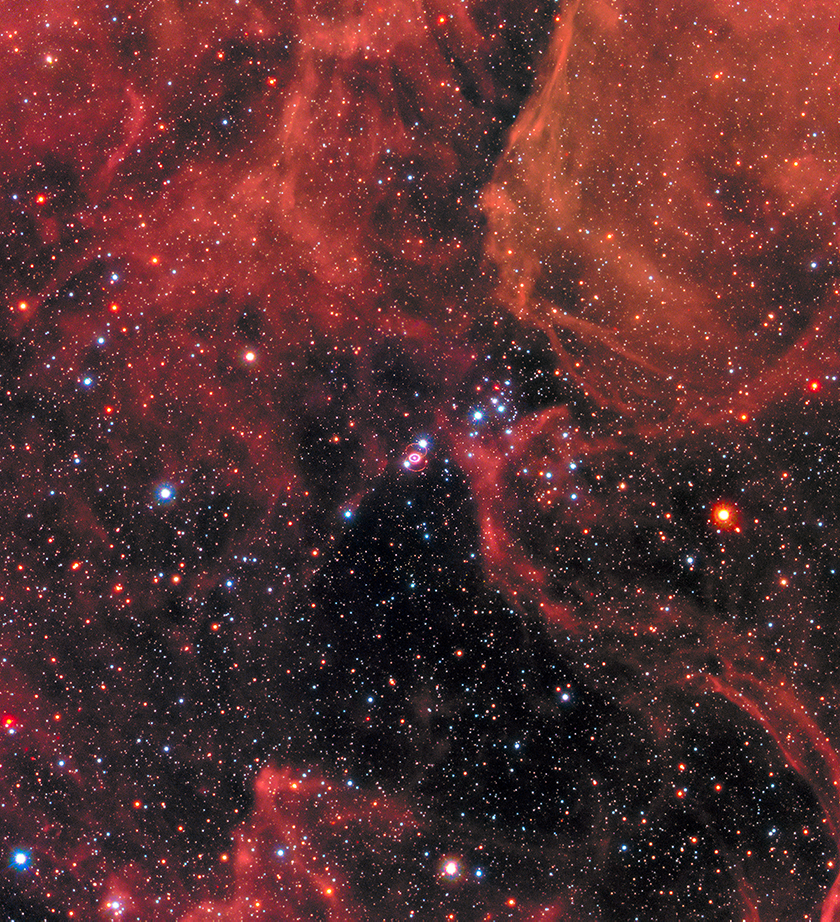
Other Objects
53 imagesSupernova remnants, Herbig-Haro objects, and unusual targets that do not fit one class.
Some of Hubble's most instructive images sit outside traditional category boundaries. This section groups scientifically valuable targets such as supernova remnants, protostellar jets, gravitational lensing systems, and other uncommon classes. These observations often provide decisive evidence for physical processes that are difficult to isolate elsewhere, including shock propagation, relativistic effects, or transitional evolutionary stages. Although diverse, these objects share one trait: each adds a unique constraint to our understanding of the universe. Use this category when you want to explore the edge cases that often produce the most interesting scientific questions.
Explore Other Objects