Star Clusters
Star clusters are natural laboratories for stellar evolution because their stars formed from related material and are often at similar distances. Hubble resolves crowded cluster cores, allowing precise color-magnitude measurements and age estimates that are central to astrophysics. These datasets help scientists test stellar evolution tracks, trace metallicity history, and understand how clusters dynamically evolve under gravity and feedback. Some clusters in this category are young and actively forming massive stars, while others are ancient systems that preserve information from the early Milky Way. By comparing young and old clusters in one place, this section gives a clear, data-driven view of how stars and stellar systems change over cosmic time.
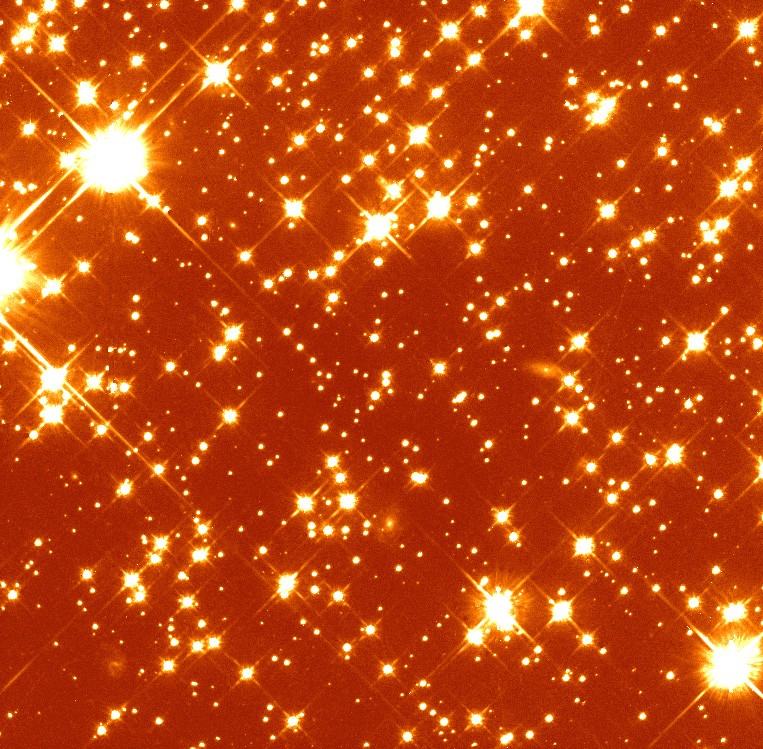
March 3
Globular Cluster NGC 6397
Globular Cluster
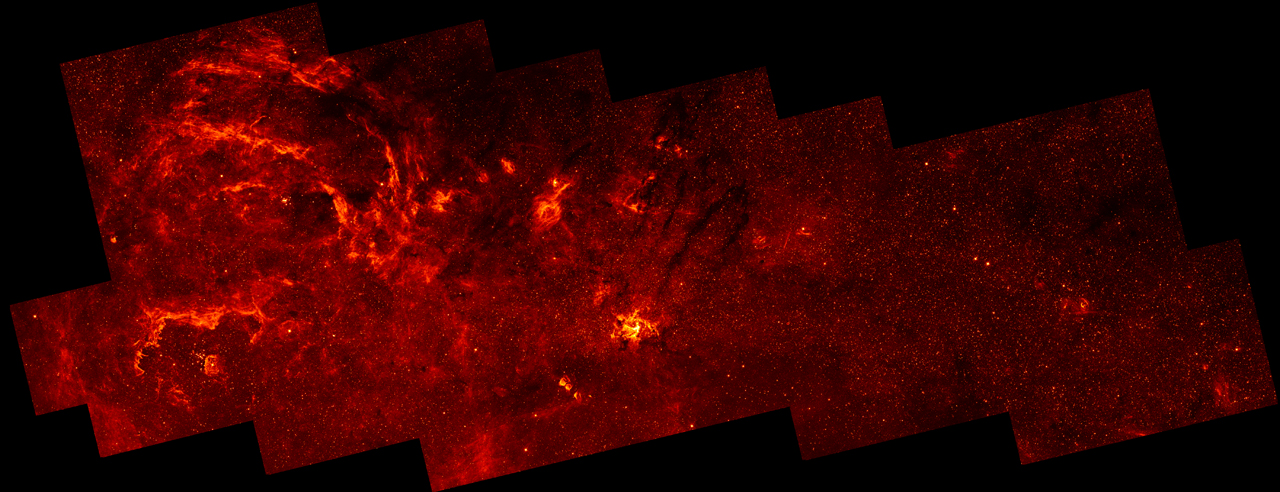
April 5
Galactic Center
Star Cluster / Galactic Center Region
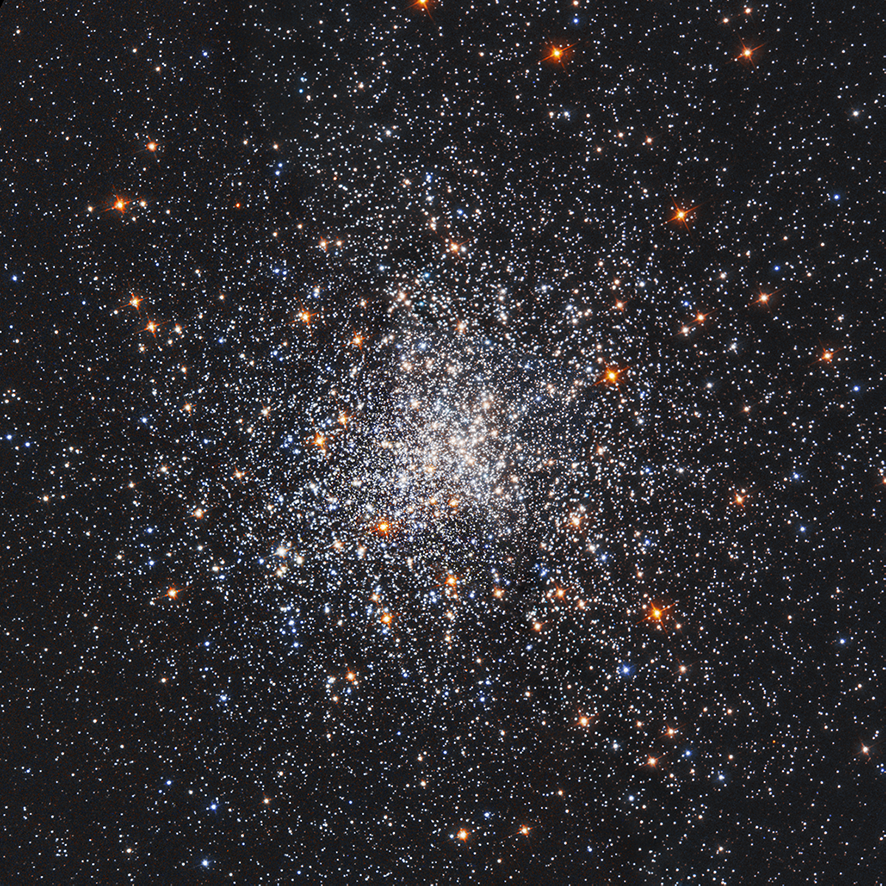
April 18
Globular Cluster M79
Globular Cluster
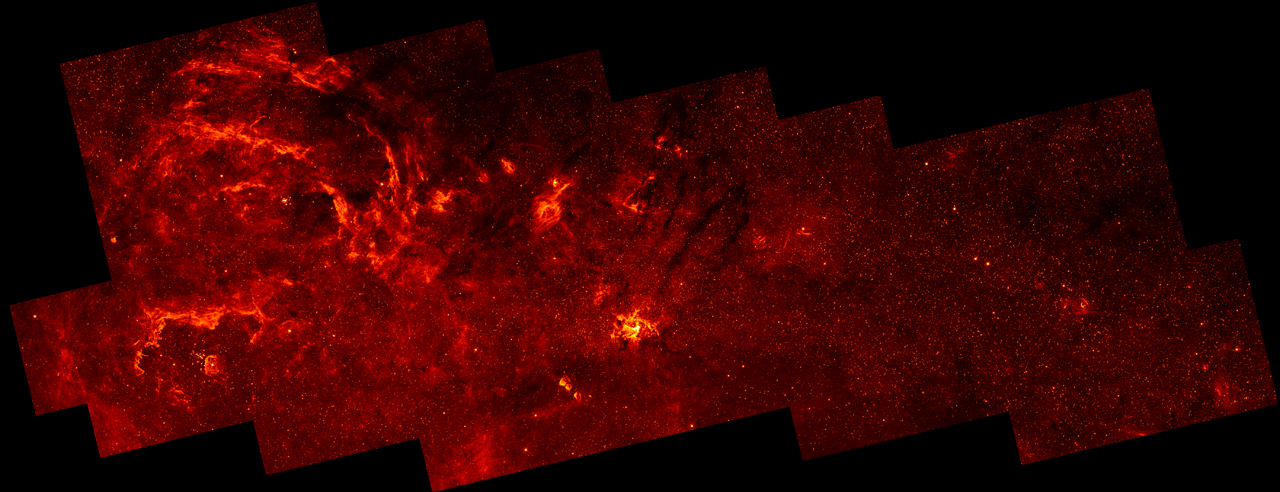
April 20
Galactic Center
Young Massive Star Cluster
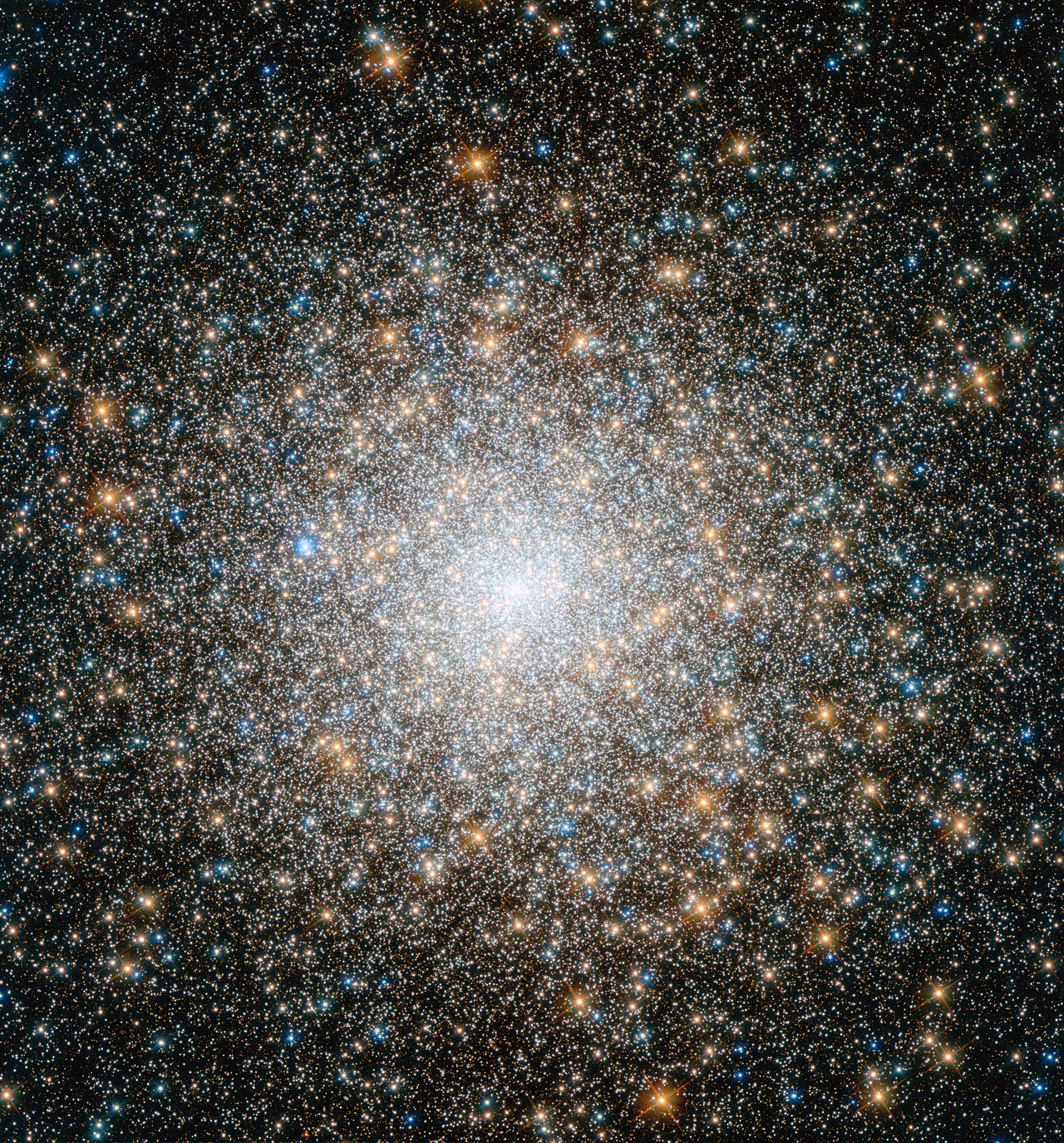
May 2
Star Cluster M15
Globular Cluster
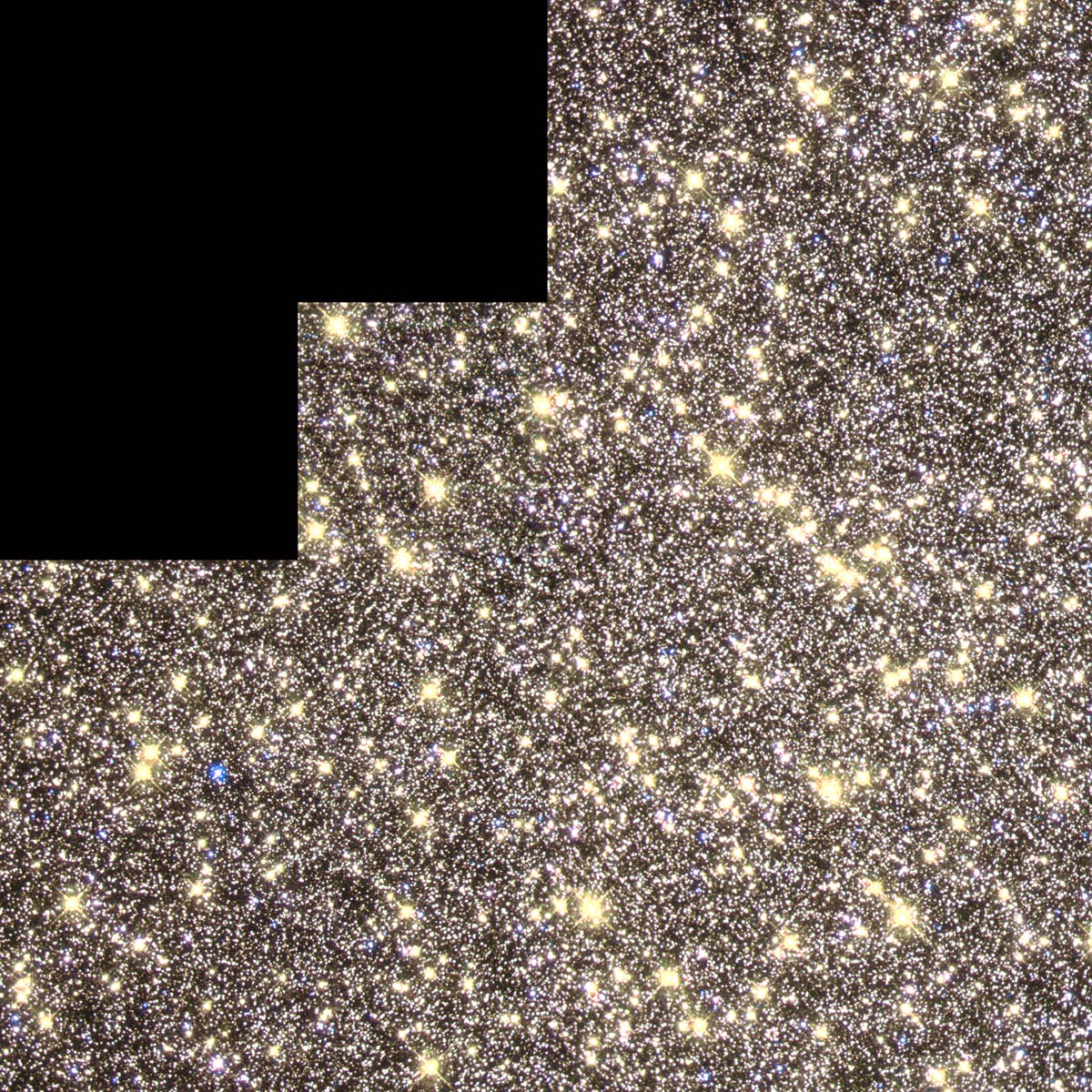
June 11
Star Cluster Omega Centauri
Globular Cluster
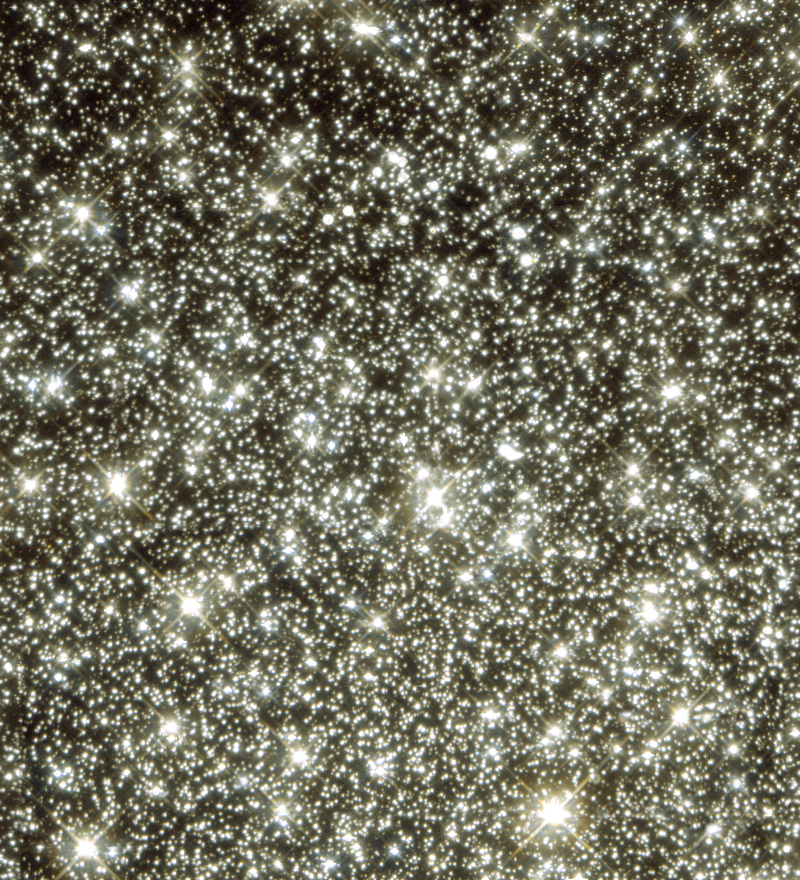
June 15
Globular Cluster M22
Globular Cluster
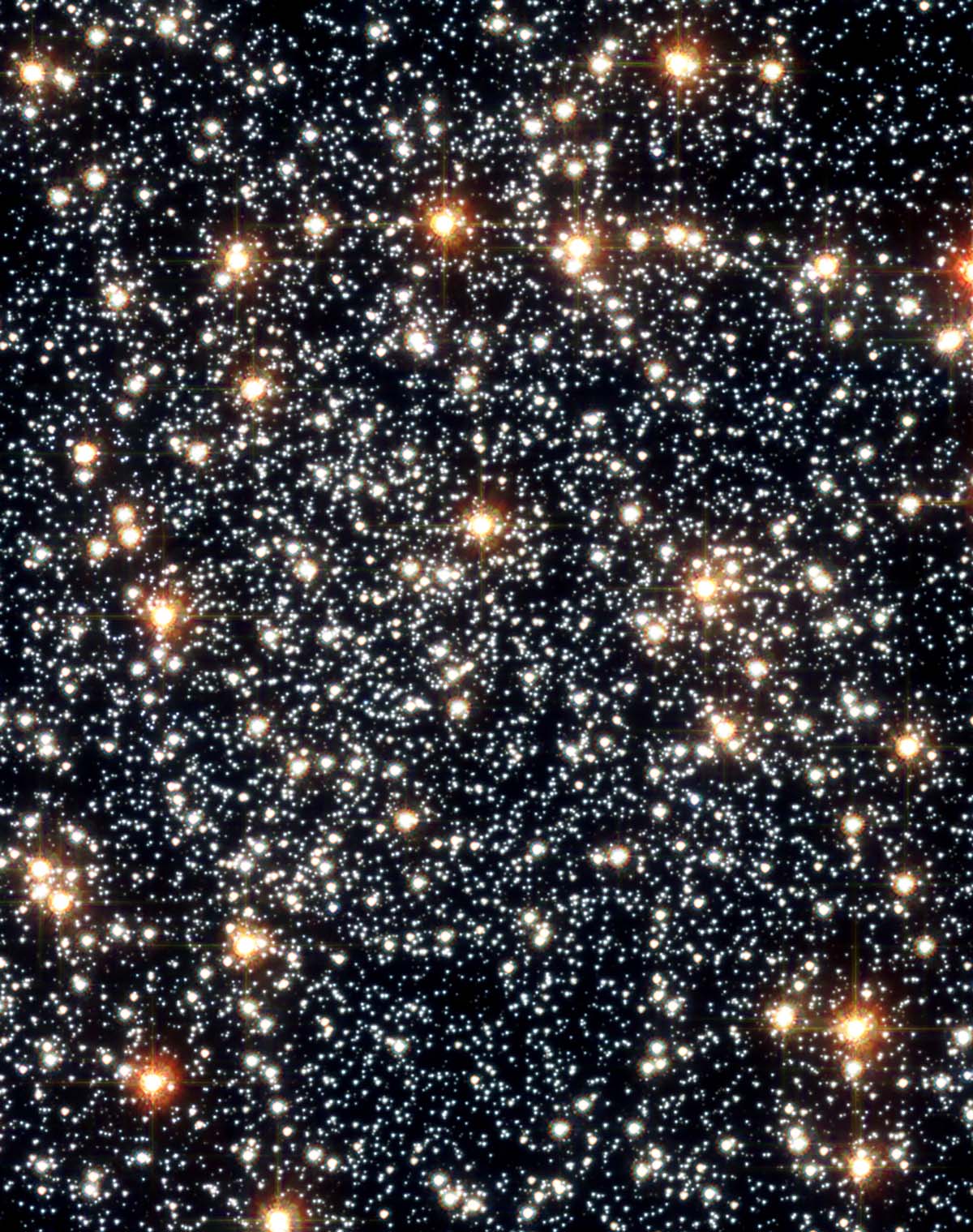
July 3
Star Cluster 47 Tucanae
Globular Cluster
July 13
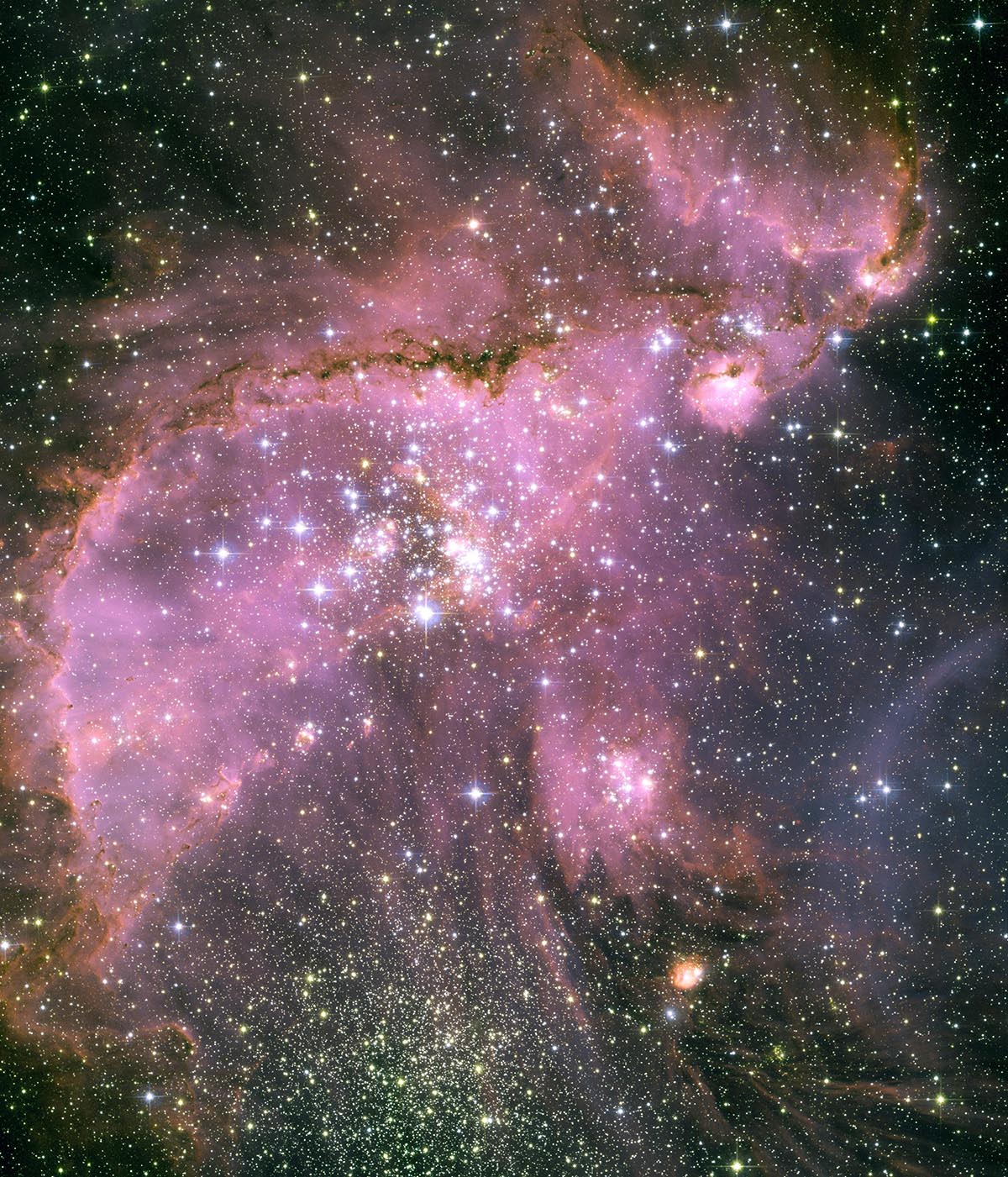
Star Cluster NGC 346
Star Cluster and H II Region
July 15
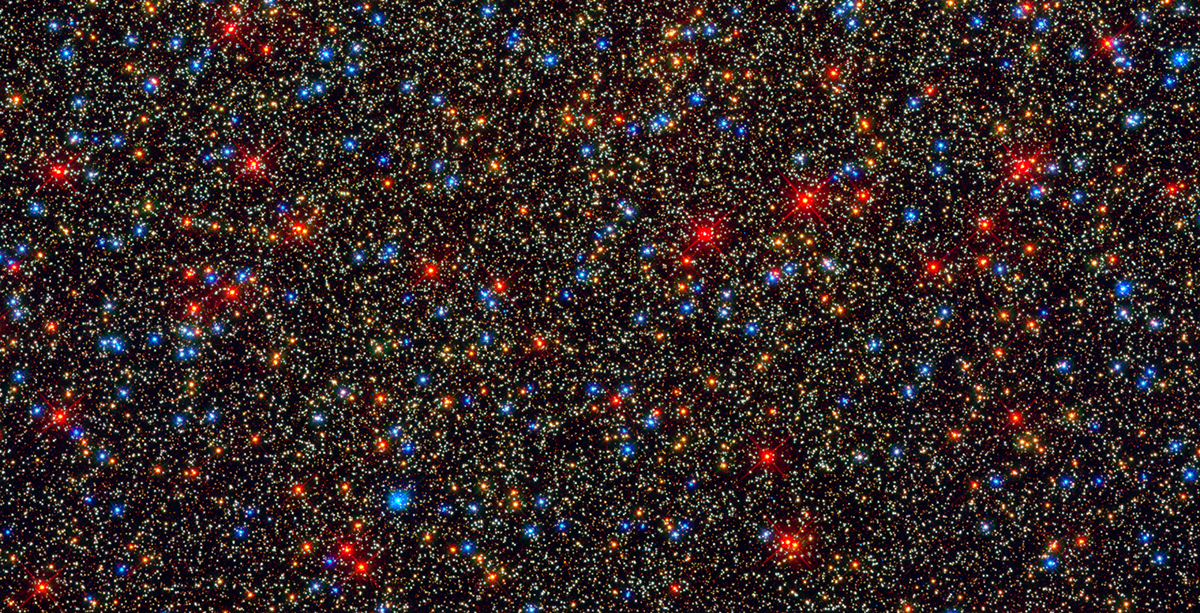
Core of Star Cluster Omega Centauri
Globular Cluster Core
July 29
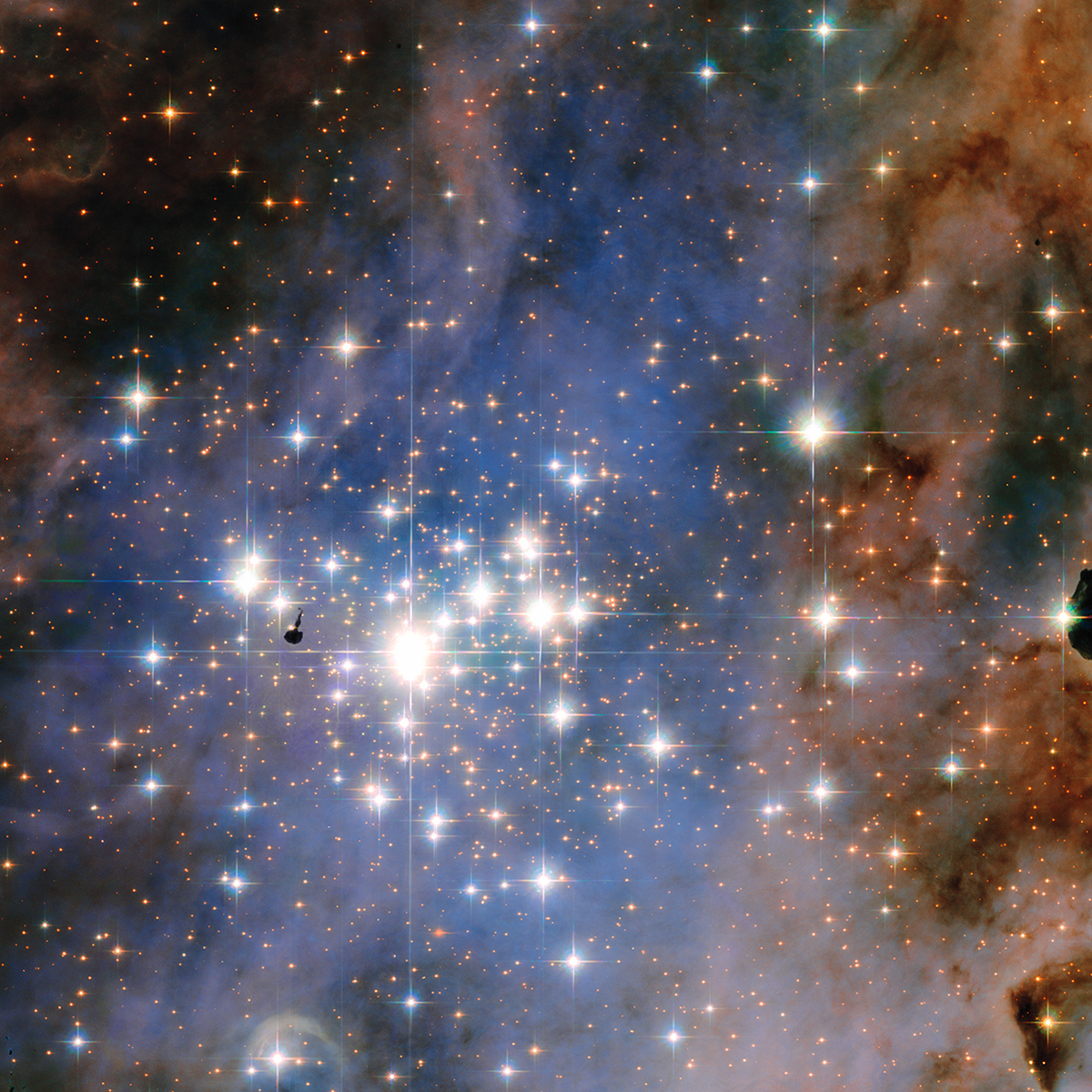
Star Cluster Trumpler 14
Open Star Cluster
September 13
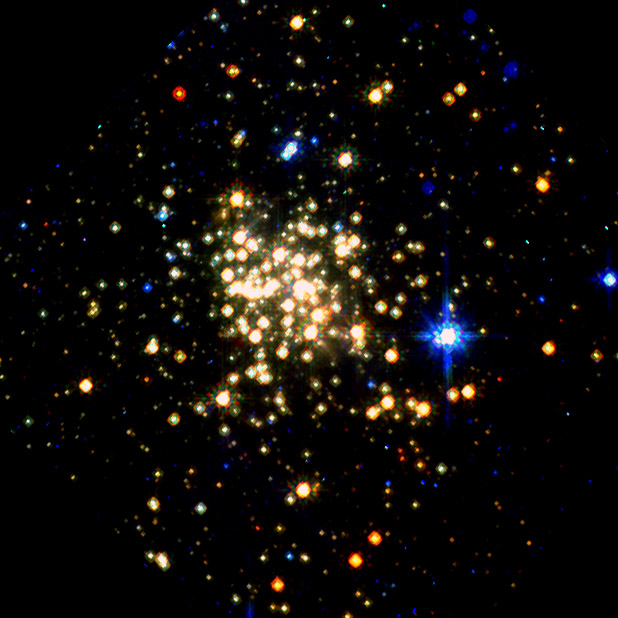
Arches Cluster
Young Massive Star Cluster
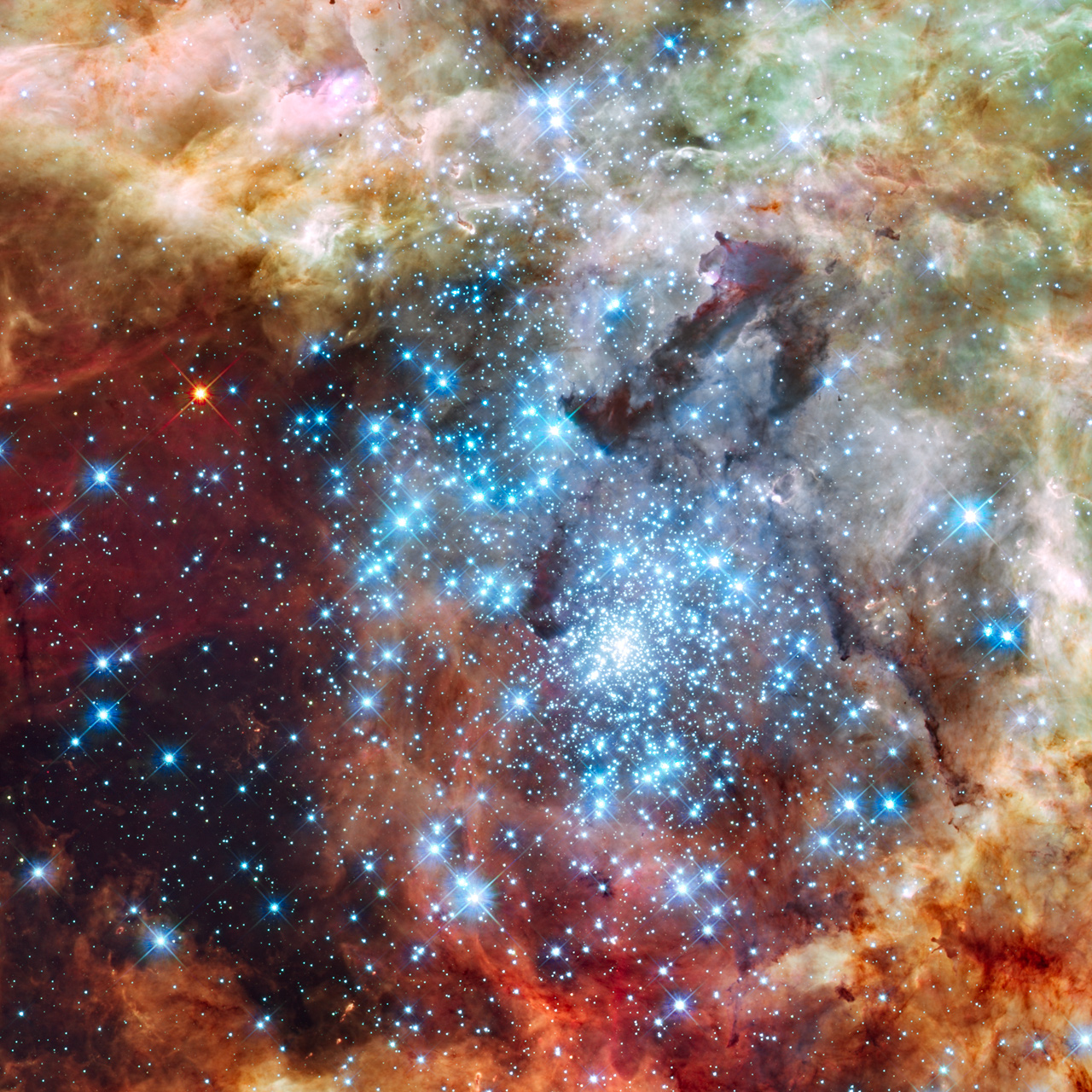
October 26
Star Clusters in the Tarantula Nebula
Star Cluster
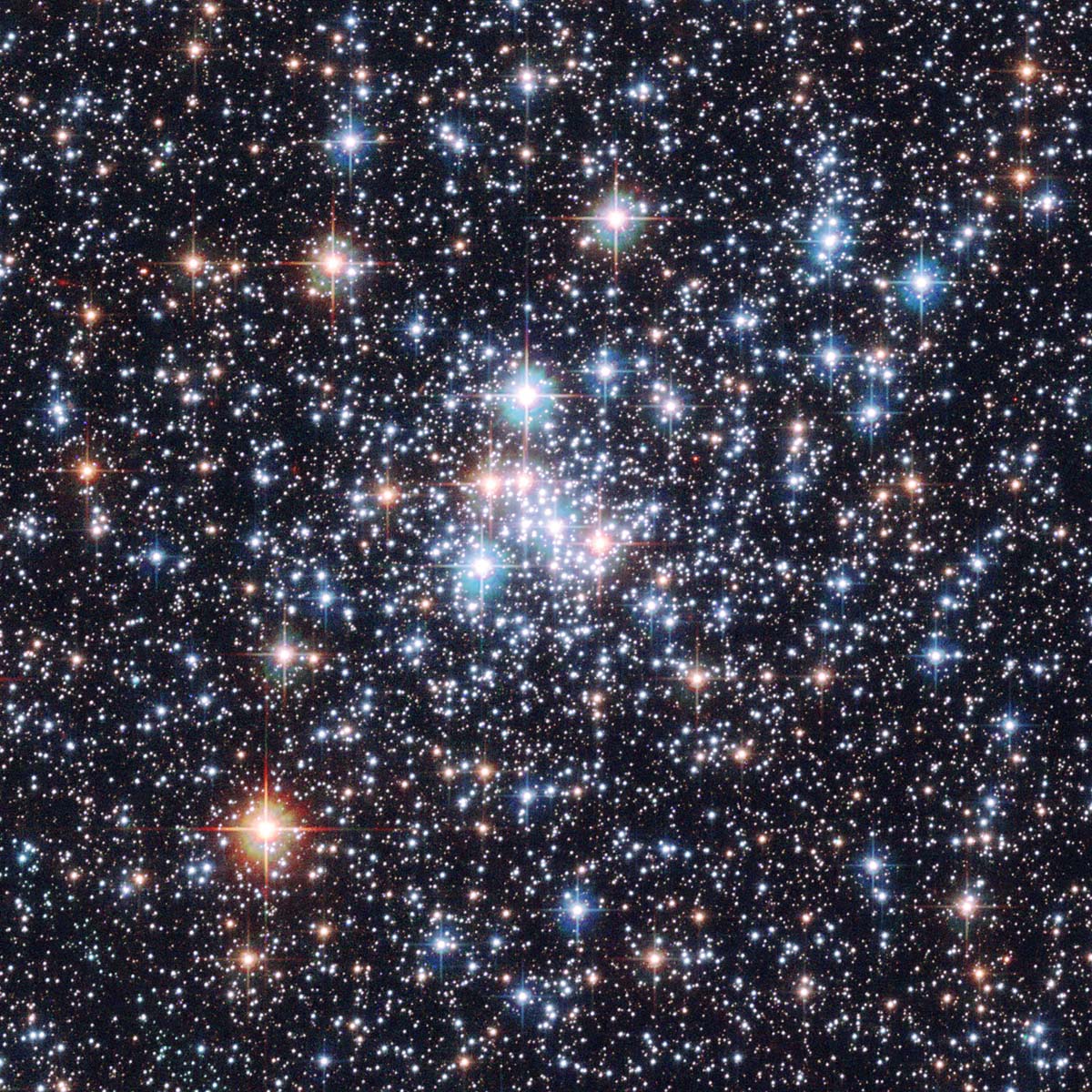
October 30
Star Cluster NGC 290
Open Star Cluster
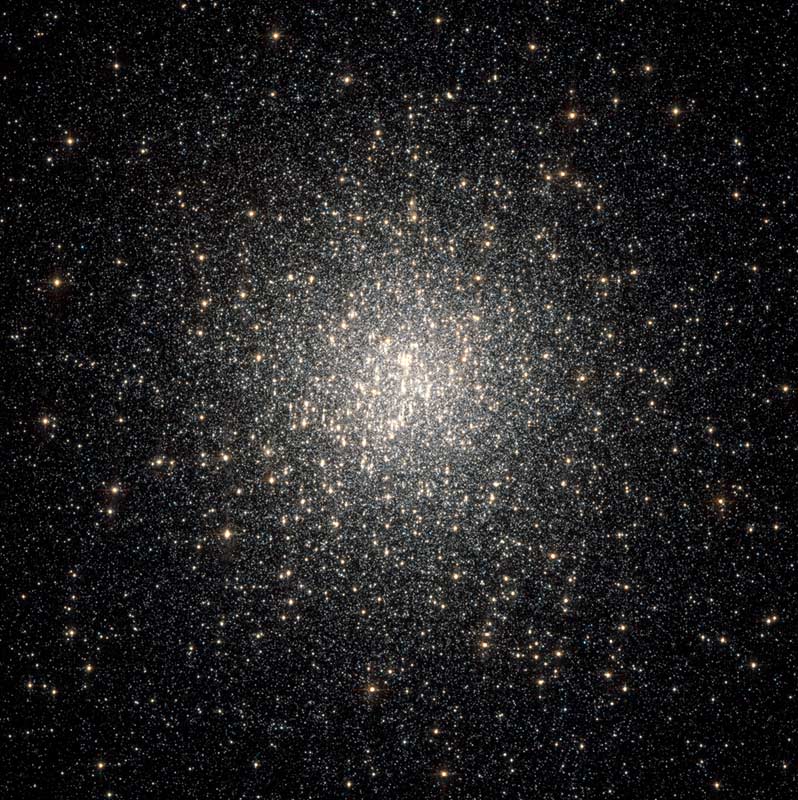
November 1
Globular Cluster NGC 2808
Globular Cluster
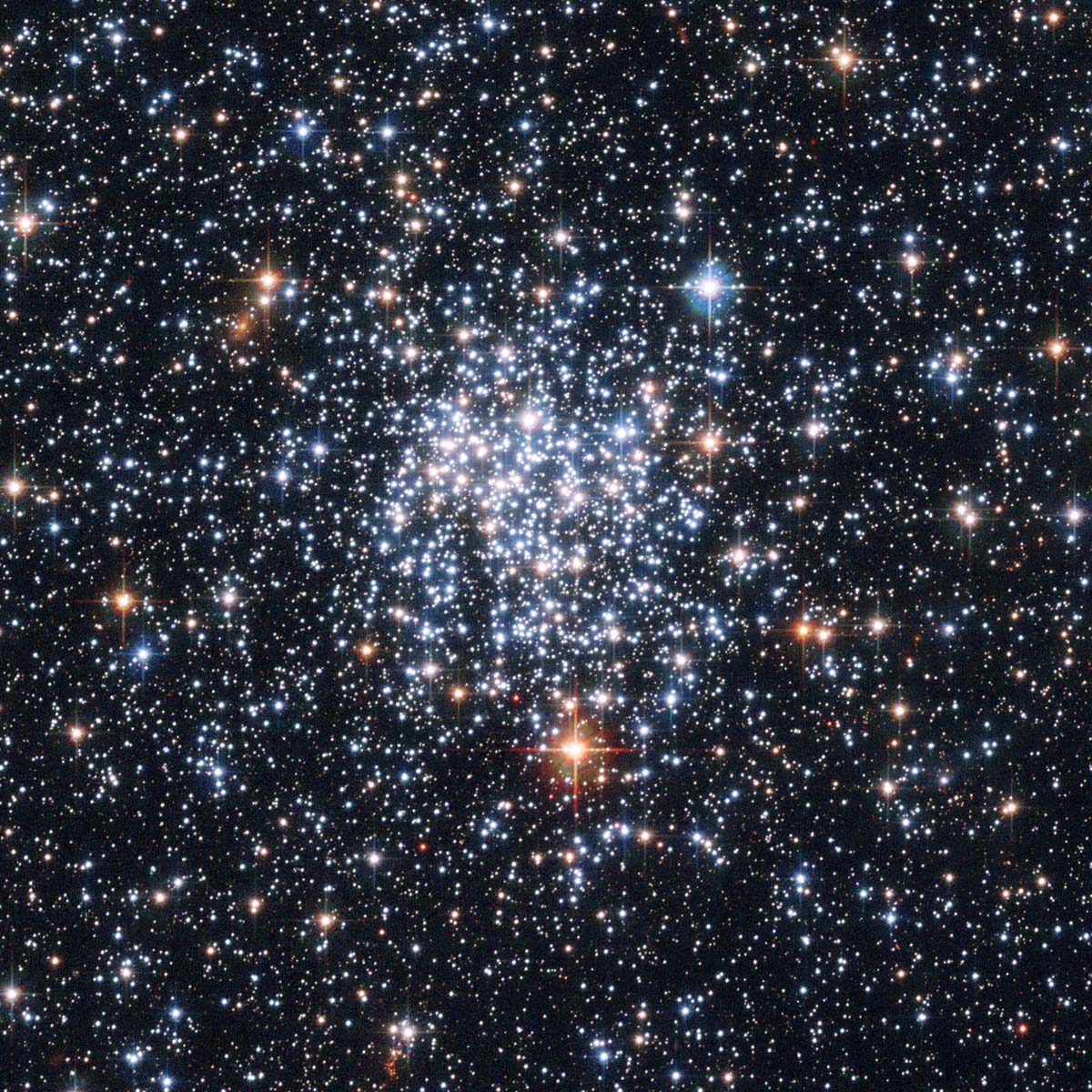
November 8
Star Cluster NGC 265
Open Cluster
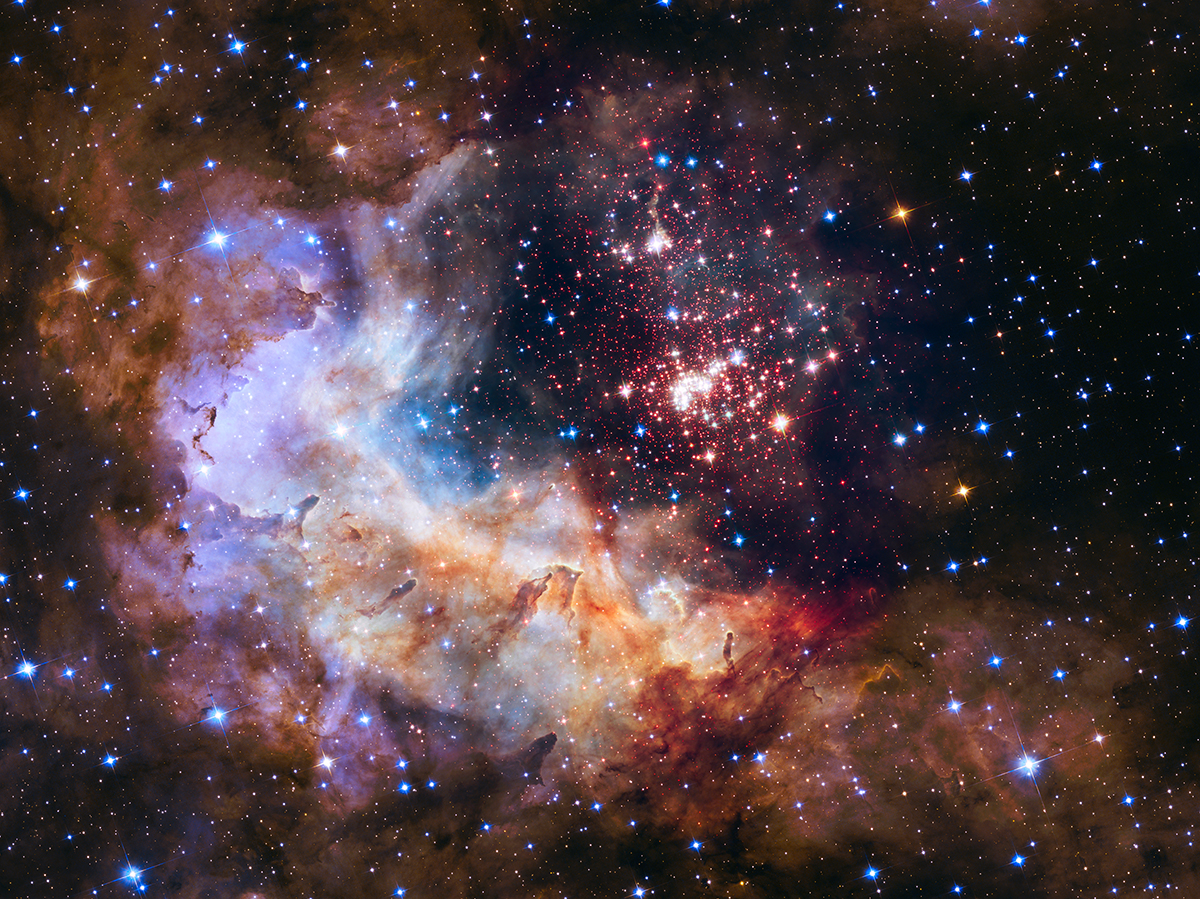
November 25
Star Cluster Westerlund 2
Star Cluster
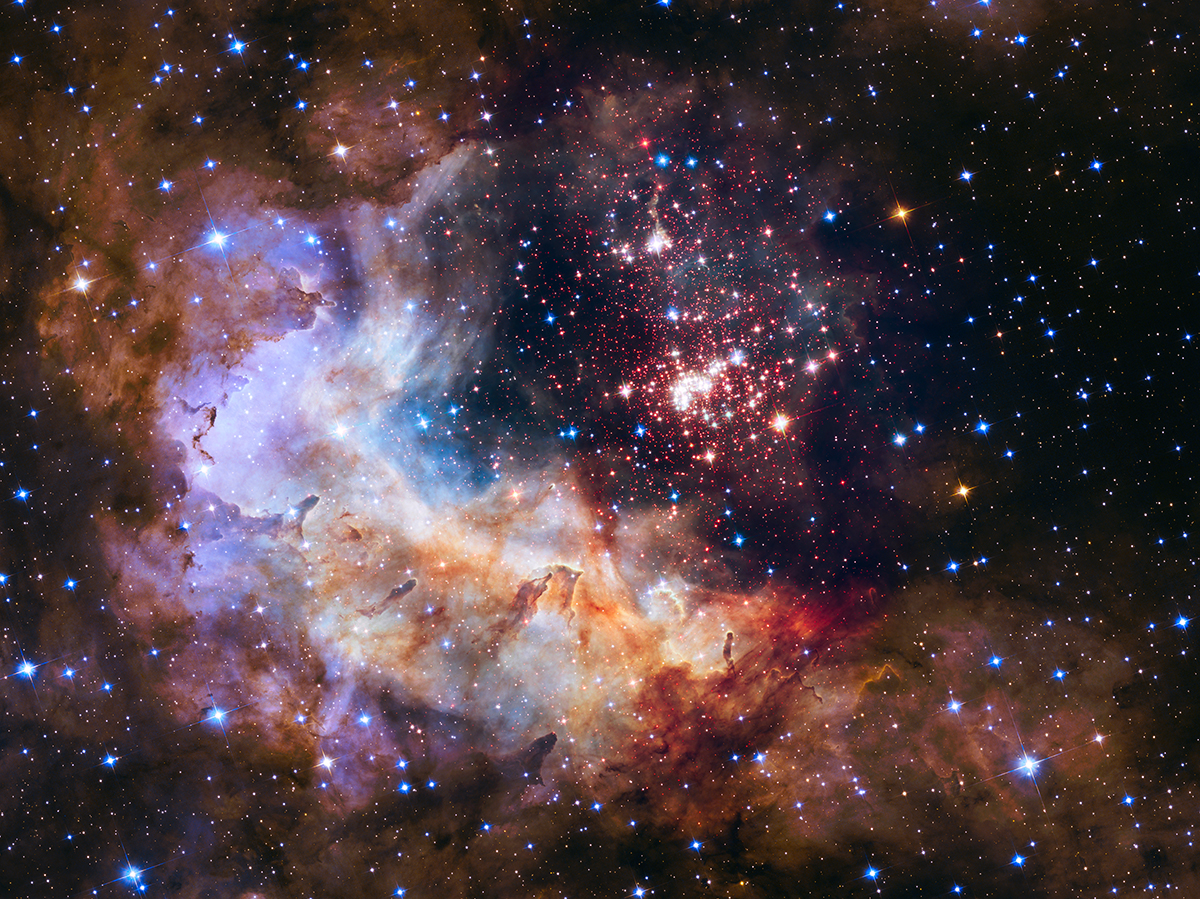
November 30
Star Cluster Westerlund 2
Star Cluster
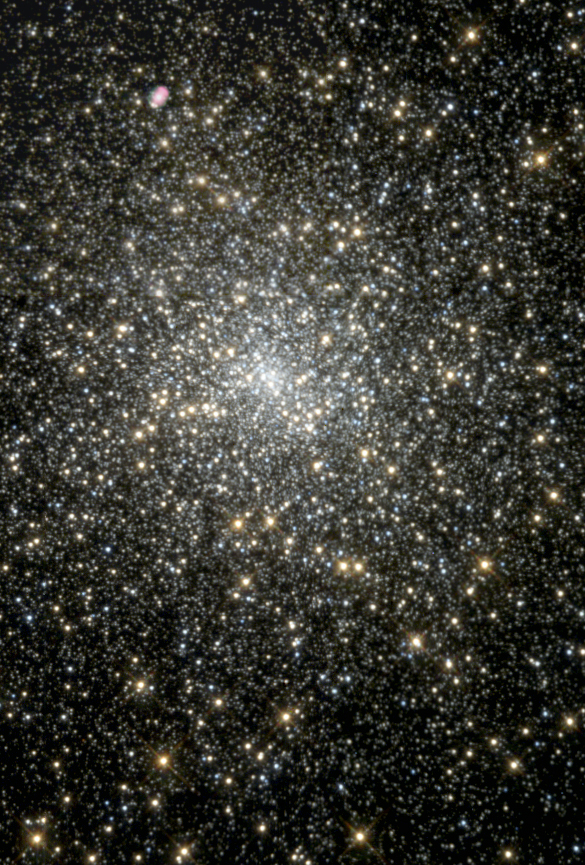
December 20
Globular Cluster M15
Globular Cluster