About This Image
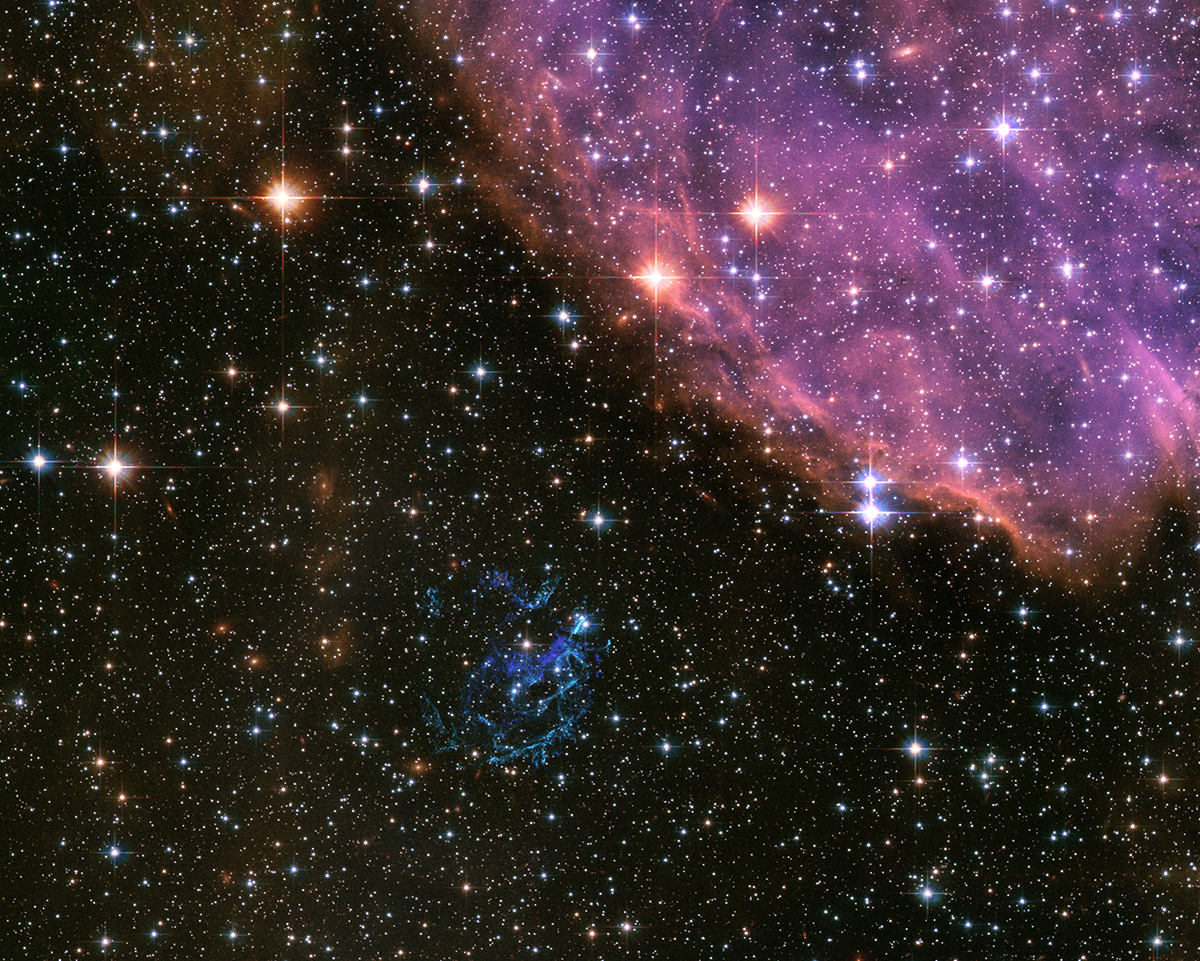
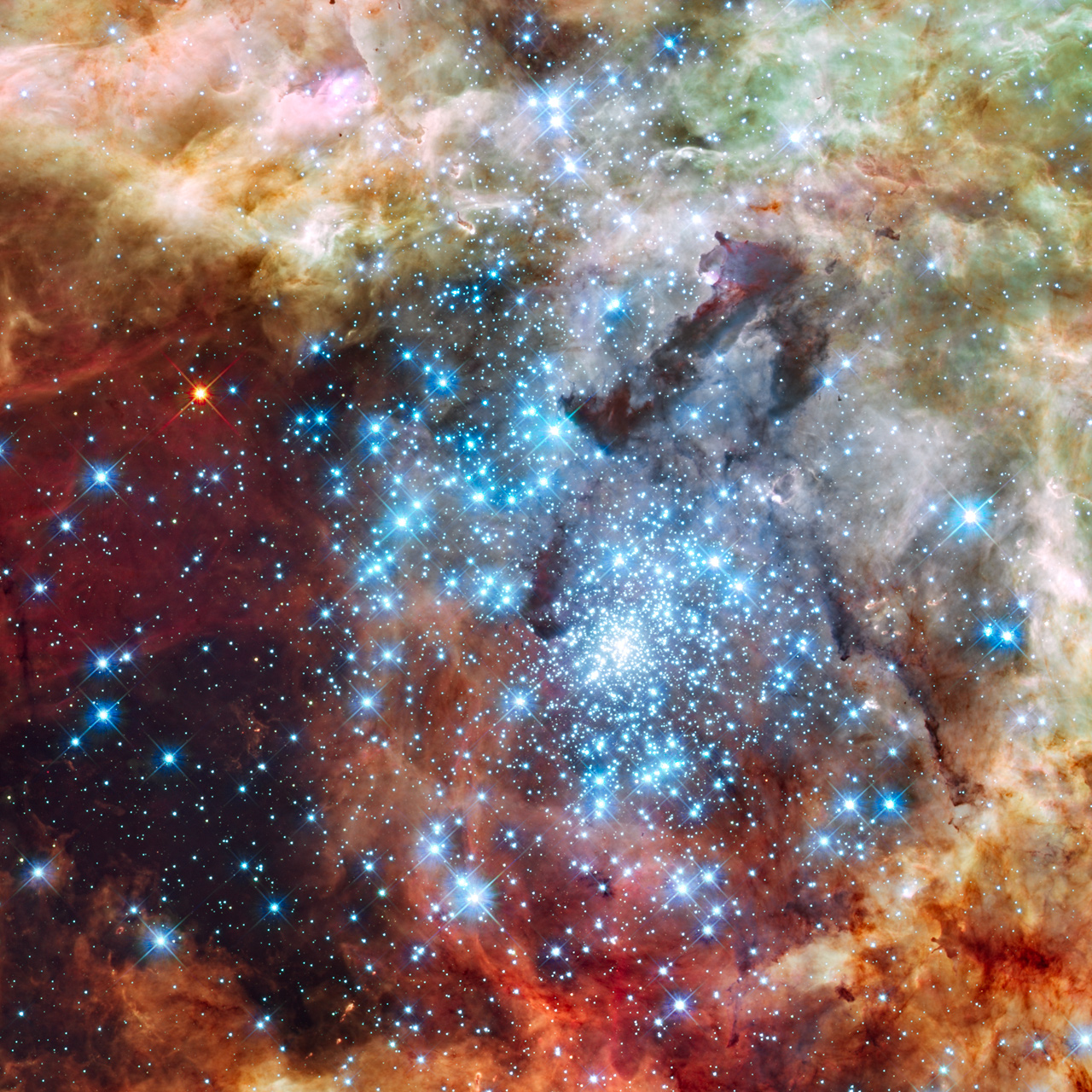
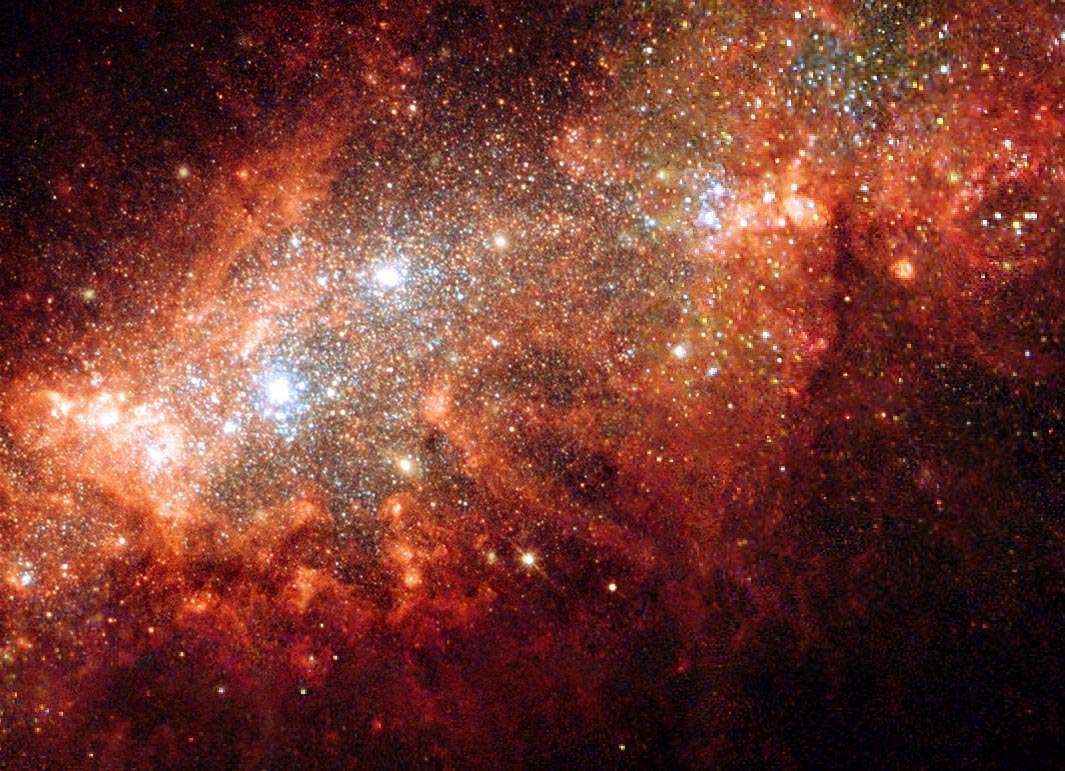
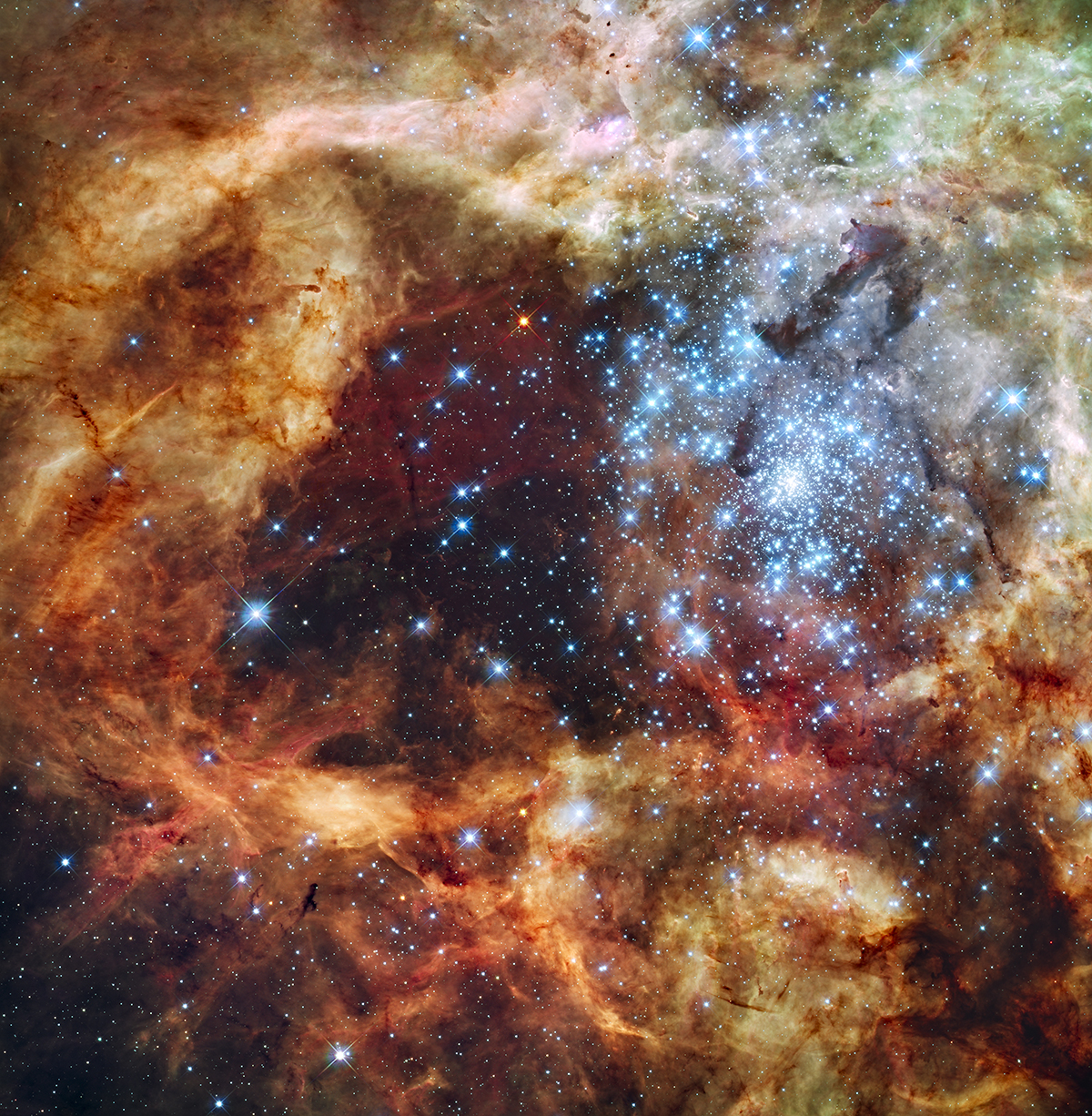
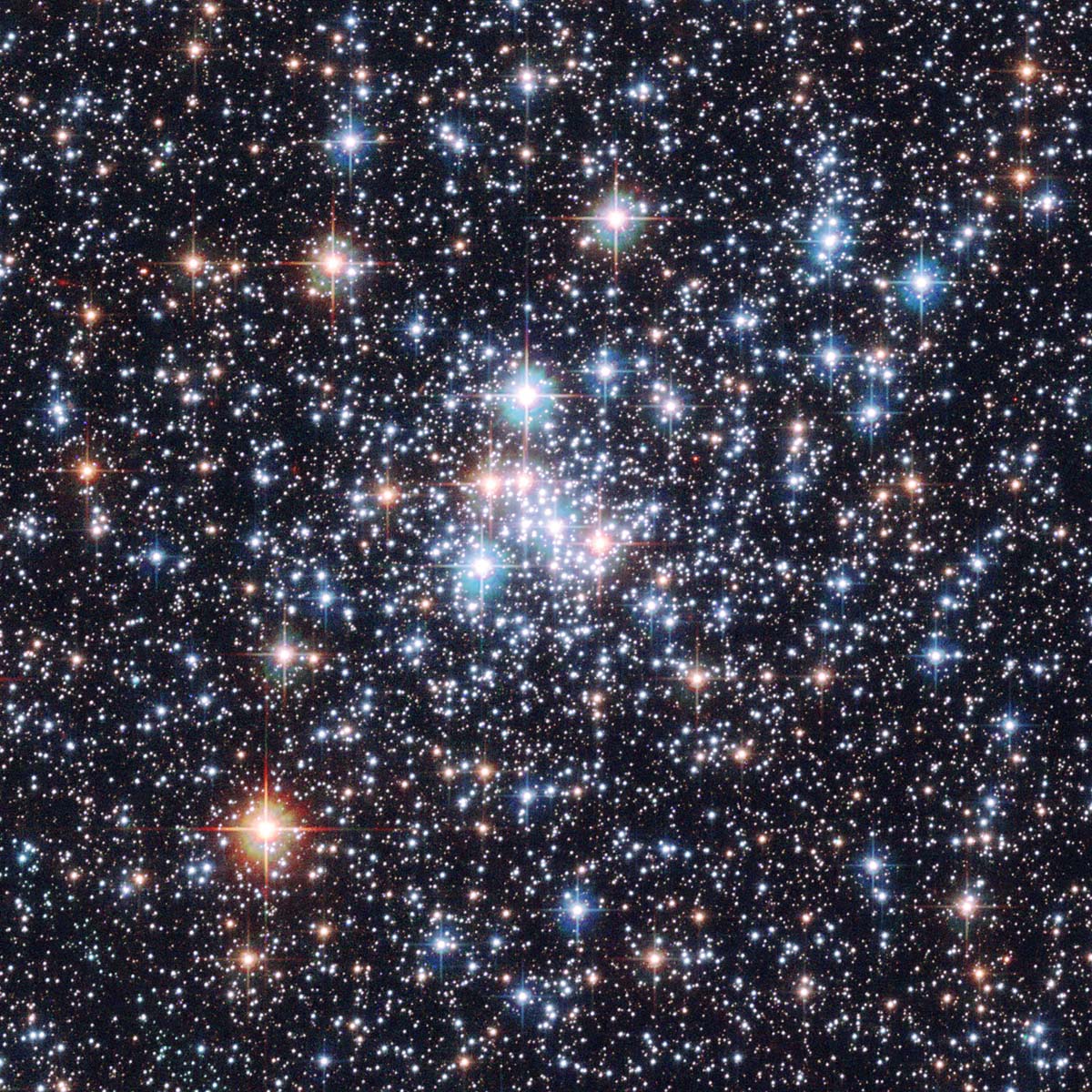
This image features a cluster of stars called NGC 290. The star cluster resides in the Small Magellanic Cloud, one of the small galaxies orbiting our Milky Way galaxy. This open cluster contains hundreds of stars bound together by gravity, all born from the same giant molecular cloud at roughly the same time. The variety of stellar colors visible in the image reflects the range of stellar temperatures and evolutionary stages within the cluster.
Scientific Significance
NGC 290 provides astronomers with a valuable laboratory for studying stellar evolution in an environment with lower metallicity than our own solar neighborhood. Because the Small Magellanic Cloud has fewer heavy elements than the Milky Way, stars born there evolve somewhat differently, burning their fuel at different rates and reaching different temperatures. By studying clusters like NGC 290 at known distances in the SMC, astronomers can test and refine stellar evolution models for different metallicity environments. The well-defined age and distance of cluster members also makes NGC 290 useful for calibrating distance measurement techniques that rely on particular types of stars. The variety of stellar colors visible in the image—from blue-white hot stars to yellow and orange cooler stars—reflects both the intrinsic temperature differences between stars and their different evolutionary stages.
Observation Details
This image was captured using Hubble's Advanced Camera for Surveys (ACS) in multiple optical filters. The observations resolve hundreds of individual cluster members against the background field stars of the Small Magellanic Cloud. The color information from multiple filters allows astronomers to construct color-magnitude diagrams, which reveal the cluster's age, distance, and metallicity. The sharp resolution of Hubble is essential for isolating cluster members in this crowded field and measuring their photometric properties accurately.
Location in the Universe
Constellation
Tucana
Distance from Earth
200,000 light-years
Fun Facts
- 1
NGC 290 is approximately 65 million years old—roughly the same time that dinosaurs went extinct on Earth.
- 2
The cluster lies in the Small Magellanic Cloud, which has a lower abundance of heavy elements than the Milky Way, affecting how stars in this cluster evolve.
- 3
Open clusters like NGC 290 typically contain between 100 and a few thousand stars and will eventually disperse as gravitational interactions with other objects strip away members.
Image credit: NASA, ESA, Hubble Space Telescope