About This Image
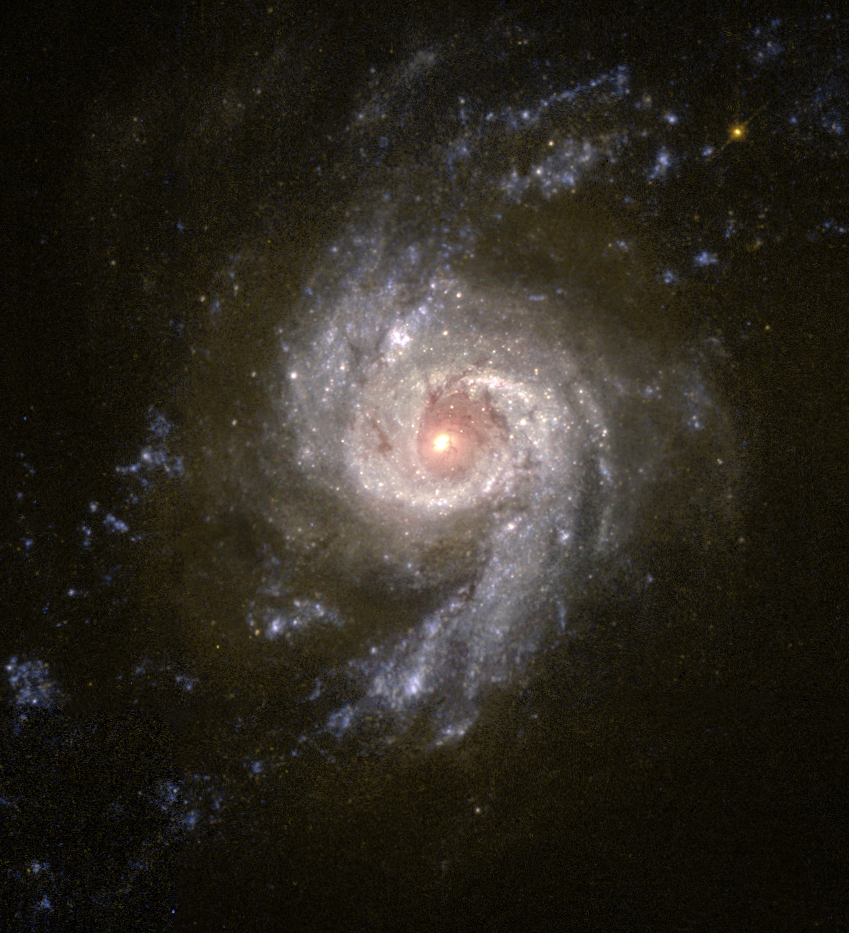
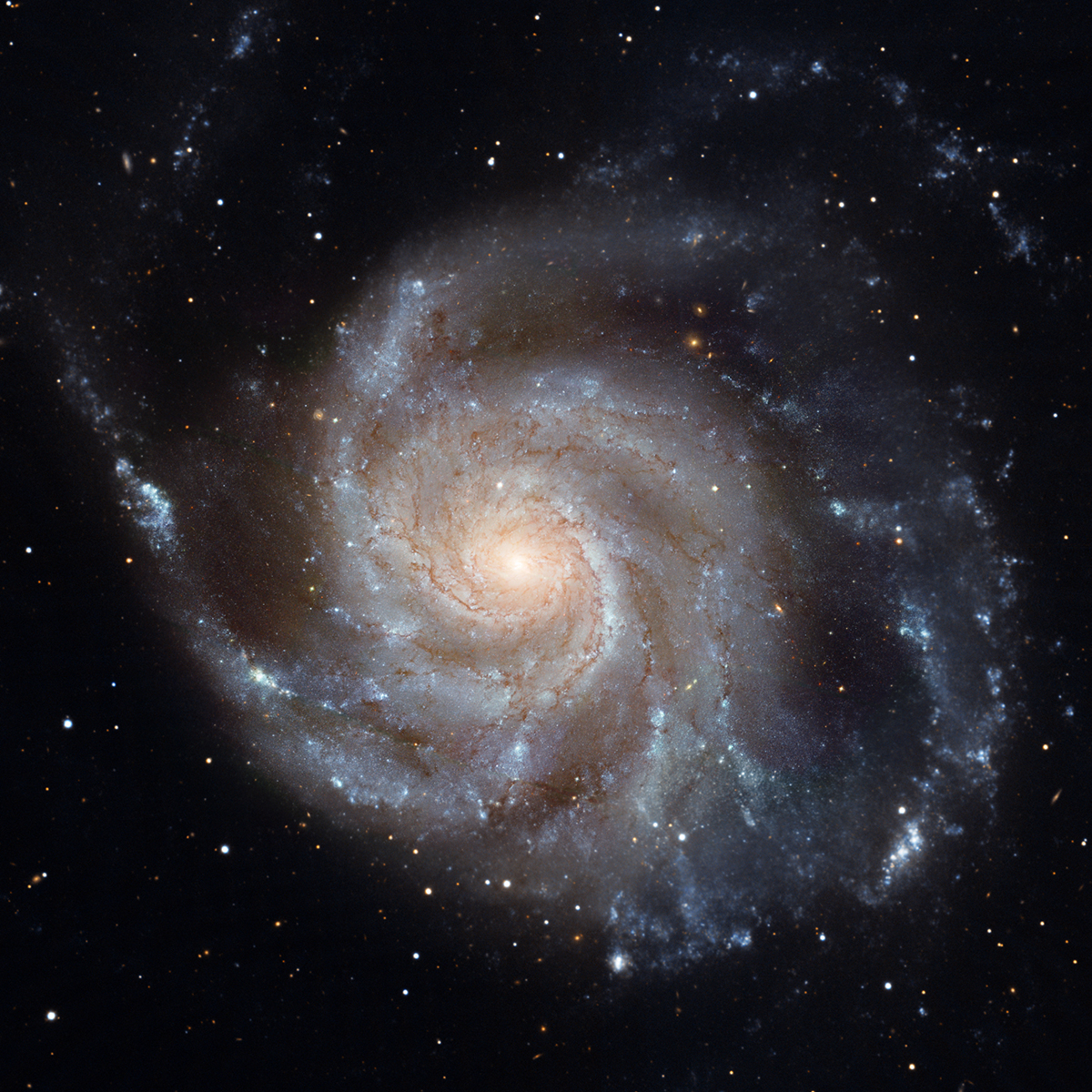
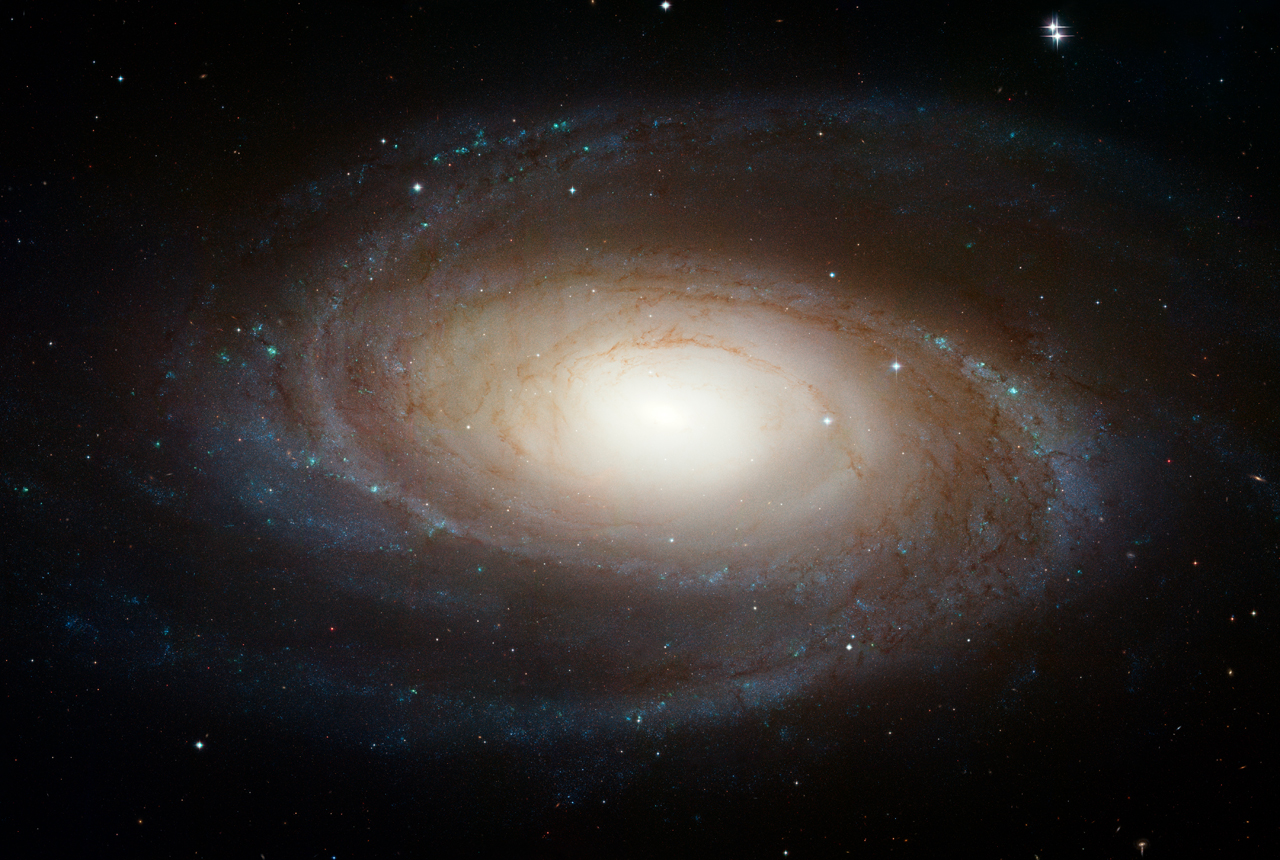
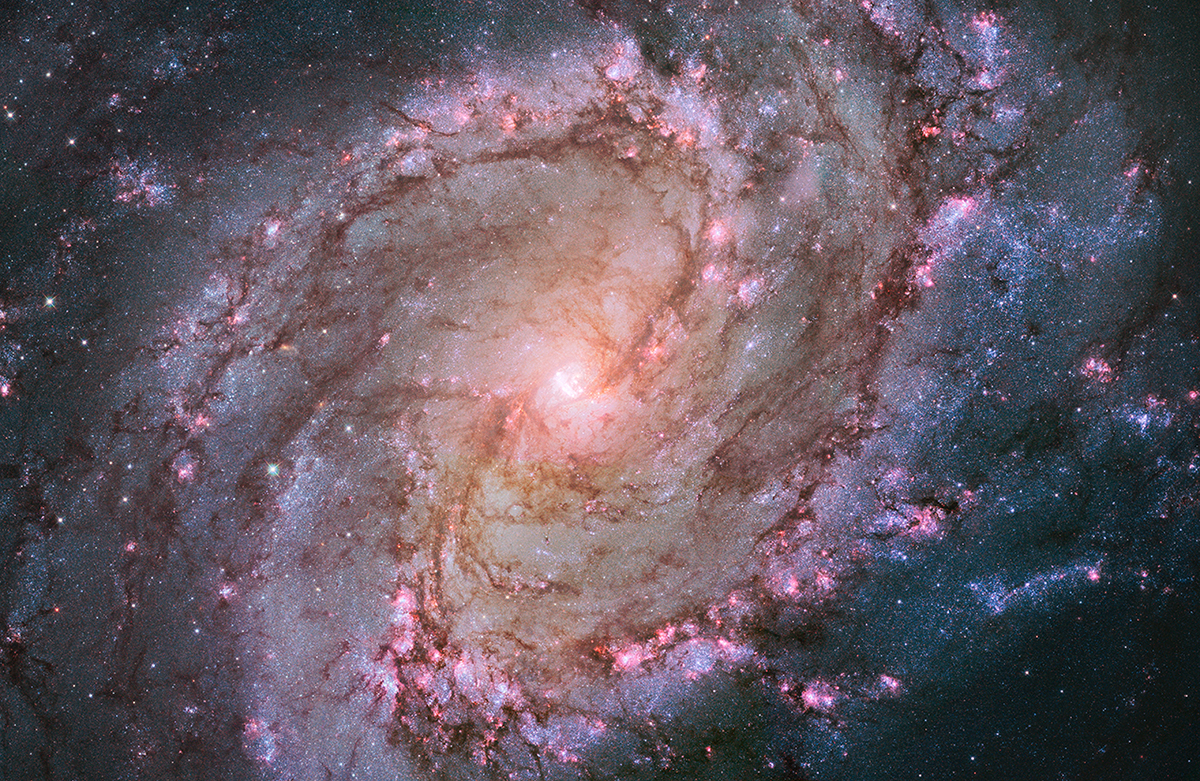
This image of spiral galaxy M83 captures thousands of star clusters, hundreds of thousands of individual stars, and "ghosts" of dead stars called supernova remnants in one of the most detailed portraits ever assembled of a nearby galaxy. Known as the Southern Pinwheel for its striking resemblance to its northern counterpart M101, M83 is a barred spiral galaxy with an exceptionally high rate of star formation that has made it one of the most prolific supernova producers in the local universe. The galaxy's spiral arms blaze with hot blue stars and glowing pink hydrogen gas clouds, while dark lanes of dust weave between the luminous regions, creating a tapestry of stellar birth and death that spans the entire galactic disk. Six supernovae have been directly observed in M83 since 1923 — more than in almost any other galaxy — earning it a reputation as a stellar fireworks factory.
Scientific Significance
M83 is one of the nearest starburst galaxies, making it an invaluable laboratory for studying the physics of intense star formation and its consequences. The galaxy's proximity allows Hubble to resolve individual massive stars, compact star clusters, and supernova remnants across the full extent of its disk, enabling population studies that are impossible in more distant starbursts. The discovery of M83's double nucleus by Hubble raised fundamental questions about the dynamics of galaxy cores and the role of minor mergers in fueling nuclear starbursts. The large population of supernova remnants identified in Hubble images has enabled statistical studies of the supernova rate and the relationship between massive star formation and supernova production. M83's well-defined bar structure channels gas inward toward the nucleus, driving the central starburst and providing a nearby example of bar-driven secular evolution — the gradual internal transformation of spiral galaxies through their own gravitational dynamics. The galaxy's extensive ultraviolet emission, revealed by GALEX and Hubble UV observations, extends far beyond the visible disk, indicating that star formation is occurring even in the galaxy's extreme outer regions where gas densities were thought to be too low to support it.
Observation Details
This image was assembled from observations taken with Hubble's Wide Field Camera 3 (WFC3) in multiple filters spanning ultraviolet, visible, and near-infrared wavelengths. The mosaic required several pointings to cover the galaxy's large angular size and was one of the sharpest and most comprehensive views of M83 ever produced. The ultraviolet filters highlighted the youngest and hottest stars, the visible filters captured the bulk stellar population and emission nebulae, and the near-infrared filters penetrated dust to reveal the underlying stellar mass distribution. Narrowband H-alpha imaging isolated the ionized hydrogen gas associated with the most active star-forming regions and supernova remnants.
Location in the Universe
Constellation
Hydra
Distance from Earth
15 million light-years
Fun Facts
- 1
M83 has produced more directly observed supernovae than almost any other galaxy — six since 1923 (in 1923, 1945, 1950, 1957, 1968, and 1983), suggesting an extraordinarily high rate of massive star formation and death.
- 2
The galaxy's starburst nucleus is actually a double nucleus — Hubble revealed a second, hidden concentration of stars offset from the visible center, which may represent the remnant core of a small galaxy that M83 devoured in a past merger.
- 3
Hubble's deep imaging of M83 discovered about 60 previously unknown supernova remnants — the expanding shells of gas left behind after massive stars explode — doubling the known population and providing a census of M83's explosive stellar history.
Image credit: NASA, ESA, Hubble Space Telescope