About This Image
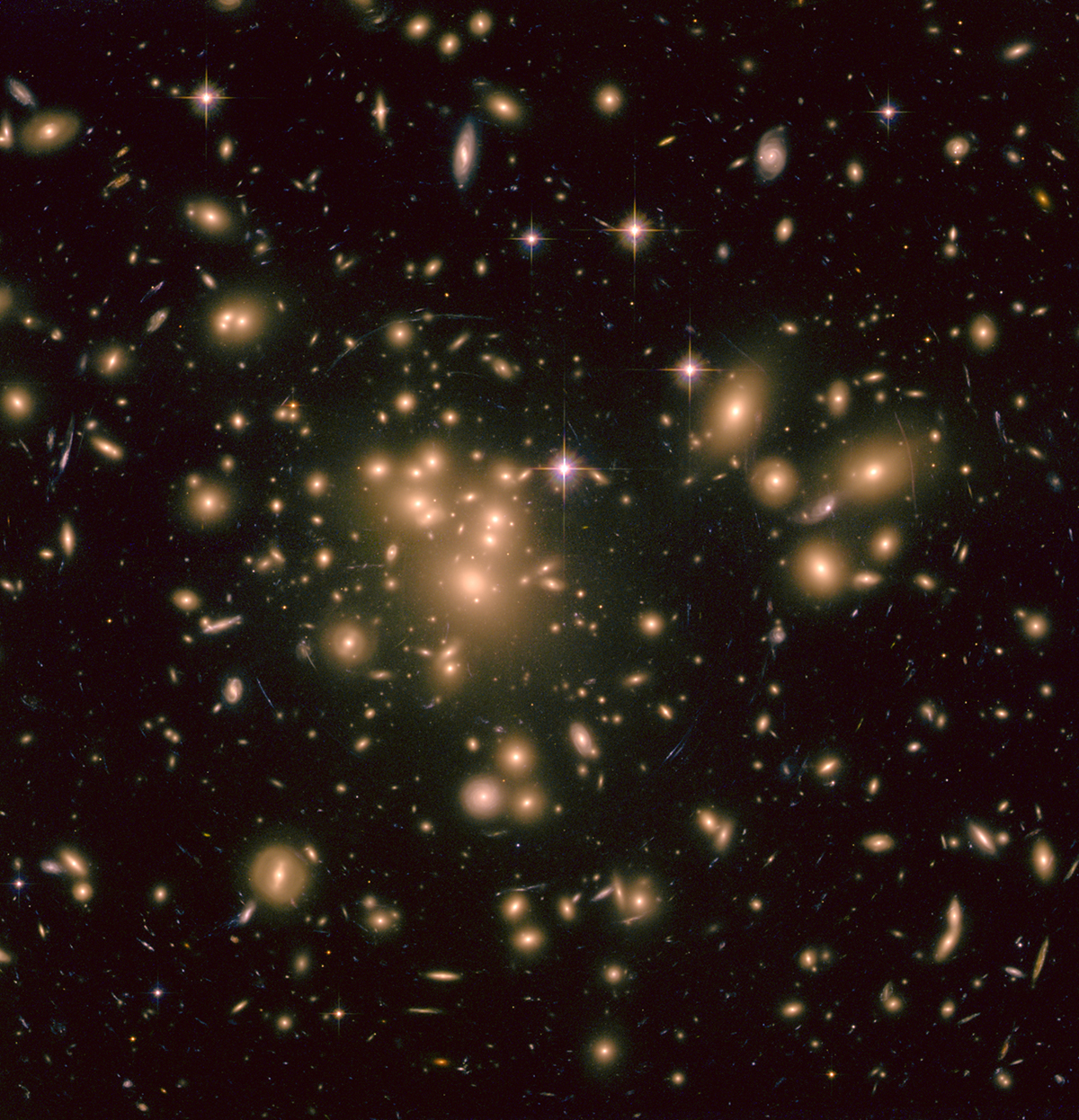
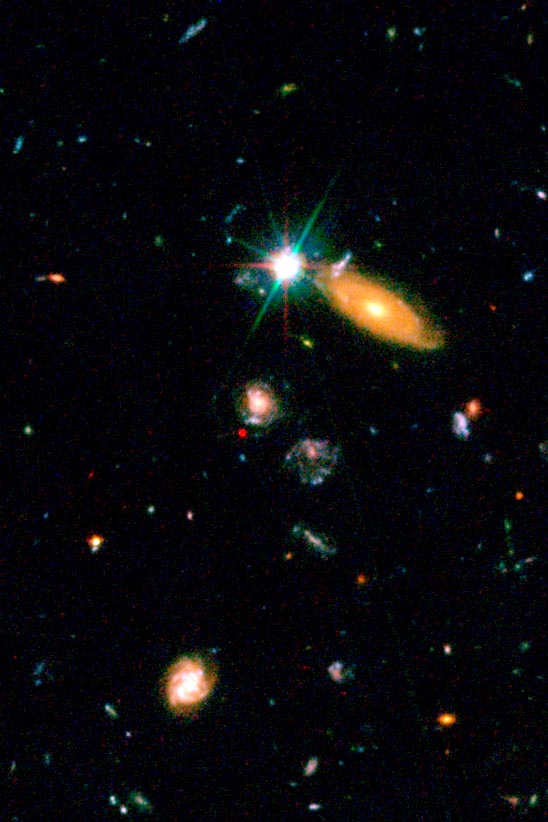
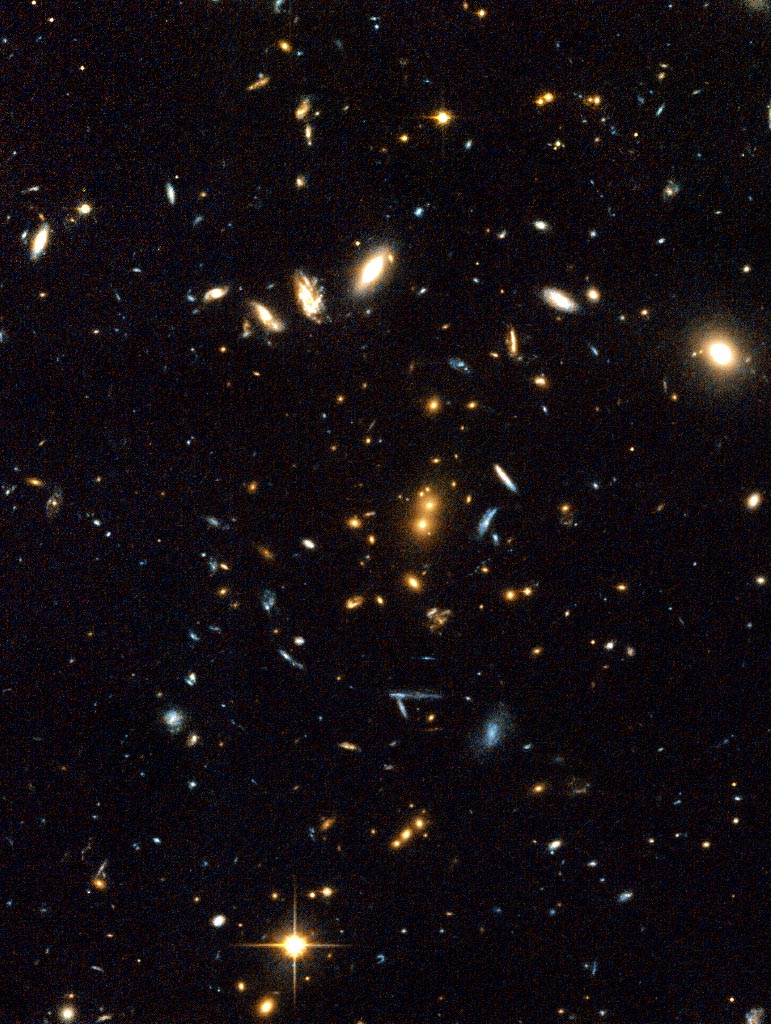
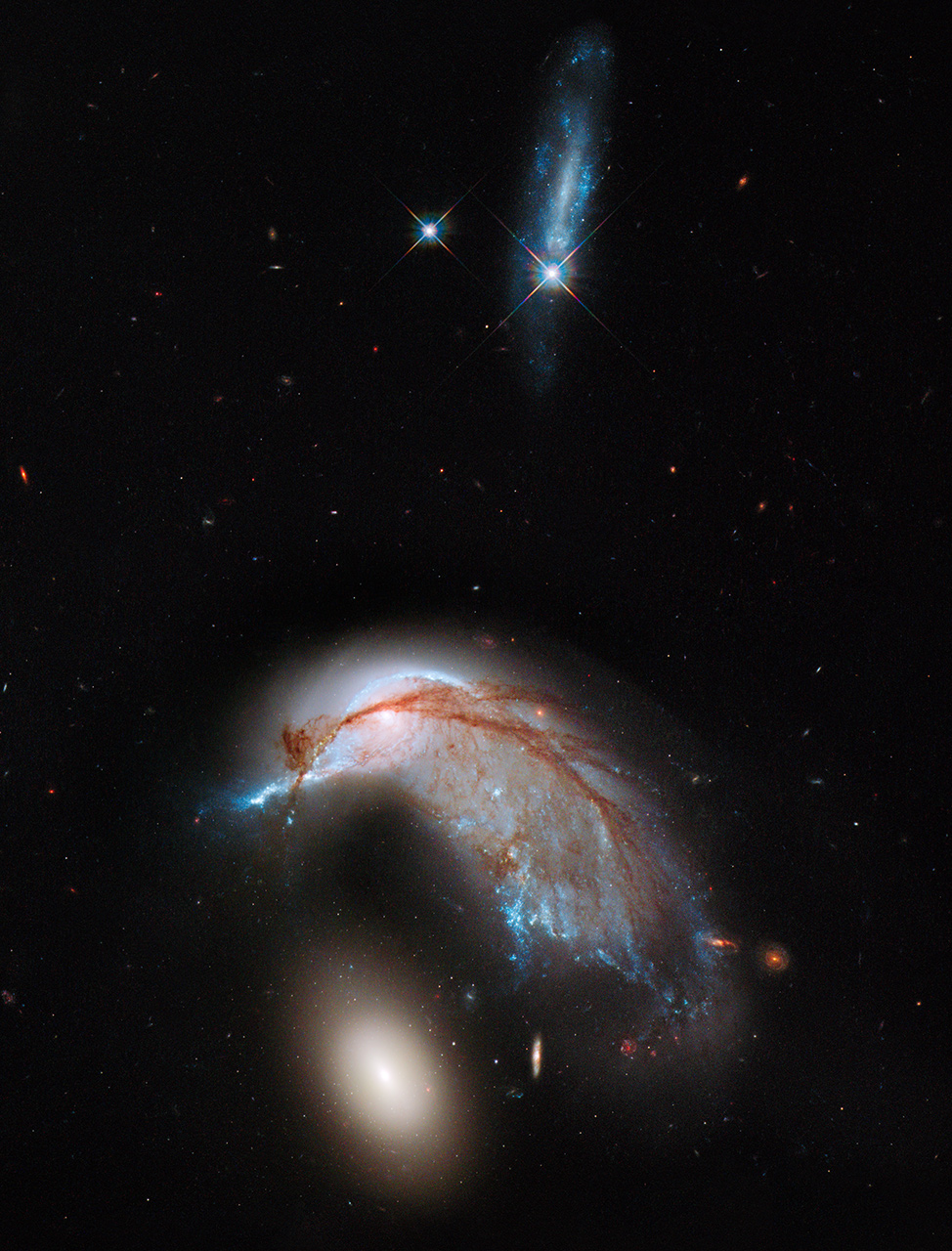
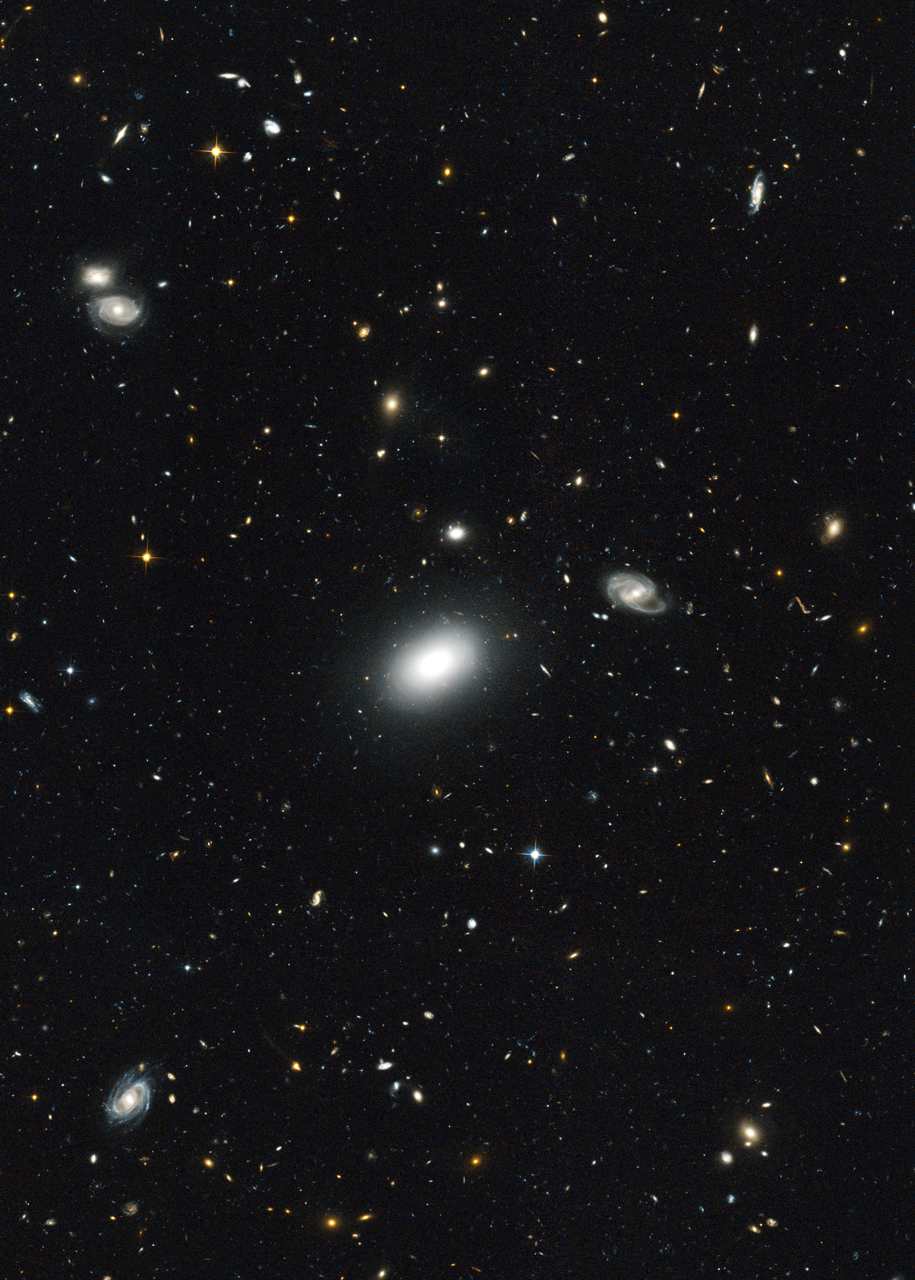
This deep field image reveals a rich tapestry of galaxies captured as part of the All-wavelength Extended Groth Strip International Survey (AEGIS), one of the most comprehensive multi-wavelength surveys of the distant universe ever undertaken. The Groth Strip is a narrow rectangular region of sky located at the boundary of the constellations Bootes and Ursa Major, chosen for its minimal contamination from foreground Milky Way stars and interstellar dust. Within this single frame, galaxies of every conceivable shape, size, color, and distance are visible — from relatively nearby spirals with well-defined arms to faint, reddened smudges representing galaxies as they appeared billions of years ago. The diversity captured here provides a cross-section of cosmic evolution, allowing astronomers to study how galaxies have grown, merged, and transformed over more than half the age of the universe.
Scientific Significance
The Extended Groth Strip represents one of the cornerstone deep survey fields that has fundamentally shaped our understanding of galaxy evolution over cosmic time. By combining Hubble's high-resolution optical and near-infrared imaging with X-ray data from Chandra, infrared observations from Spitzer, and extensive ground-based spectroscopy, the AEGIS collaboration assembled complete portraits of tens of thousands of galaxies spanning lookback times from the nearby universe to over 9 billion years ago. This multi-wavelength approach enabled astronomers to simultaneously measure star formation rates, stellar masses, nuclear activity, and morphological structure across a representative volume of the universe. Key discoveries from the survey include the identification of a transitional population of galaxies caught in the act of migrating from the blue star-forming sequence to the red quiescent sequence, direct evidence for the growth of galaxy bulges through merger-driven processes, and constraints on the co-evolution of supermassive black holes with their host galaxies.
Observation Details
Hubble imaged the Extended Groth Strip using the Advanced Camera for Surveys (ACS) in multiple broadband filters covering visible wavelengths. The survey field is a long, narrow strip of sky approximately 10 by 70 arcminutes in extent, tiled with dozens of individual ACS pointings to create a continuous mosaic. Each pointing received deep exposures sufficient to detect galaxies with apparent magnitudes fainter than 28, corresponding to intrinsically faint or extremely distant objects. The elongated geometry of the strip was deliberately chosen to sample a large cosmological volume while minimizing the total number of telescope pointings required, making it an efficient design for statistical studies of galaxy populations.
Location in the Universe
Constellation
Bootes / Ursa Major
Distance from Earth
Various (up to 9 billion light-years)
Fun Facts
- 1
The Extended Groth Strip survey combined observations from major observatories including Hubble, Chandra, Spitzer, and ground-based telescopes like Keck, creating one of the most data-rich patches of sky ever studied across the entire electromagnetic spectrum.
- 2
The original Groth Strip was observed by Hubble in 1994 and consisted of just 28 overlapping pointings — the extended survey expanded this dramatically, covering an area equivalent to about one-fifth the apparent size of the full Moon.
- 3
Within this tiny slice of sky, astronomers cataloged over 50,000 individual galaxies at various stages of evolution, from actively star-forming blue spirals to ancient red ellipticals that stopped forming stars billions of years ago.
Image credit: NASA, ESA, Hubble Space Telescope