About This Image
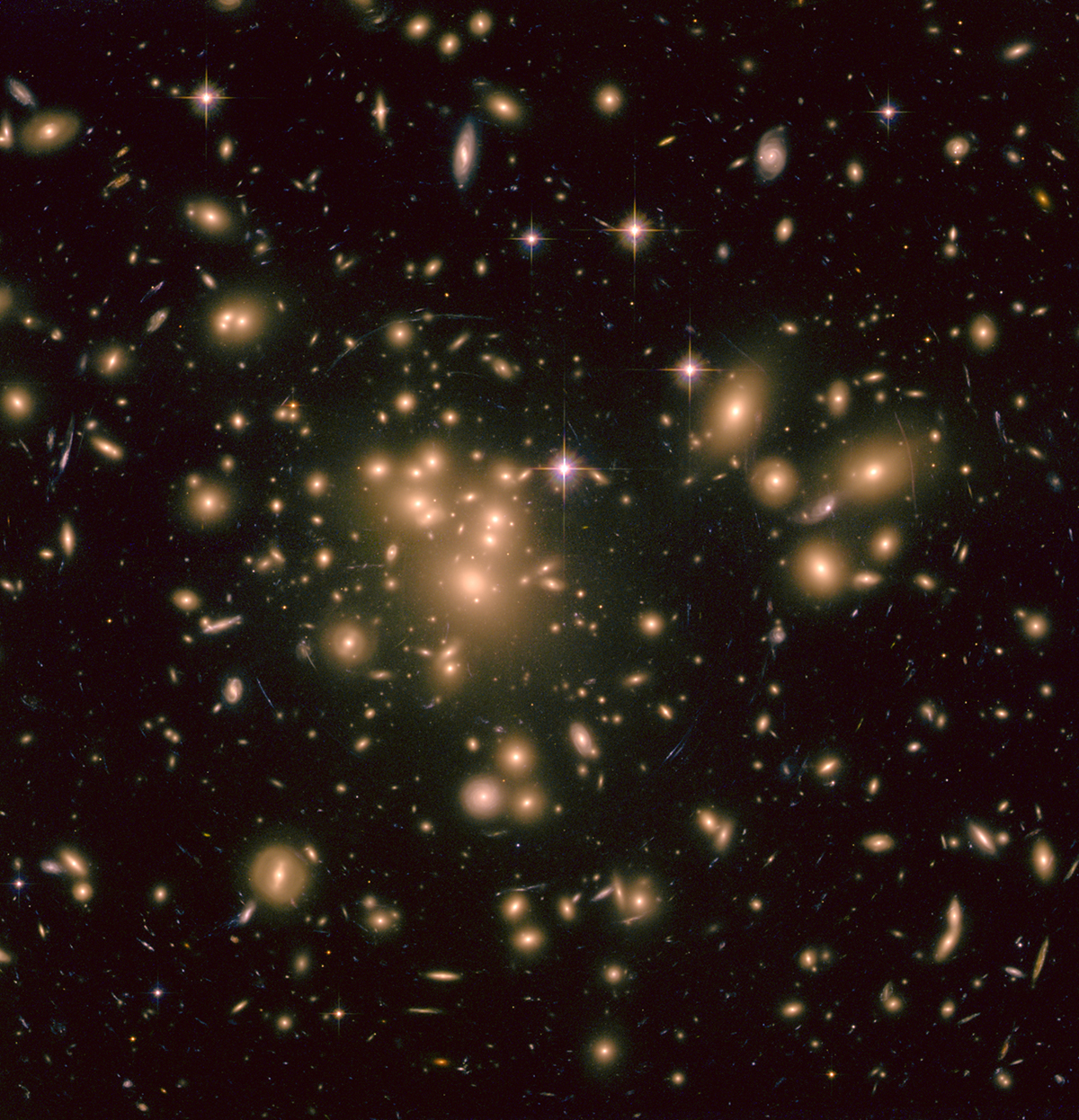
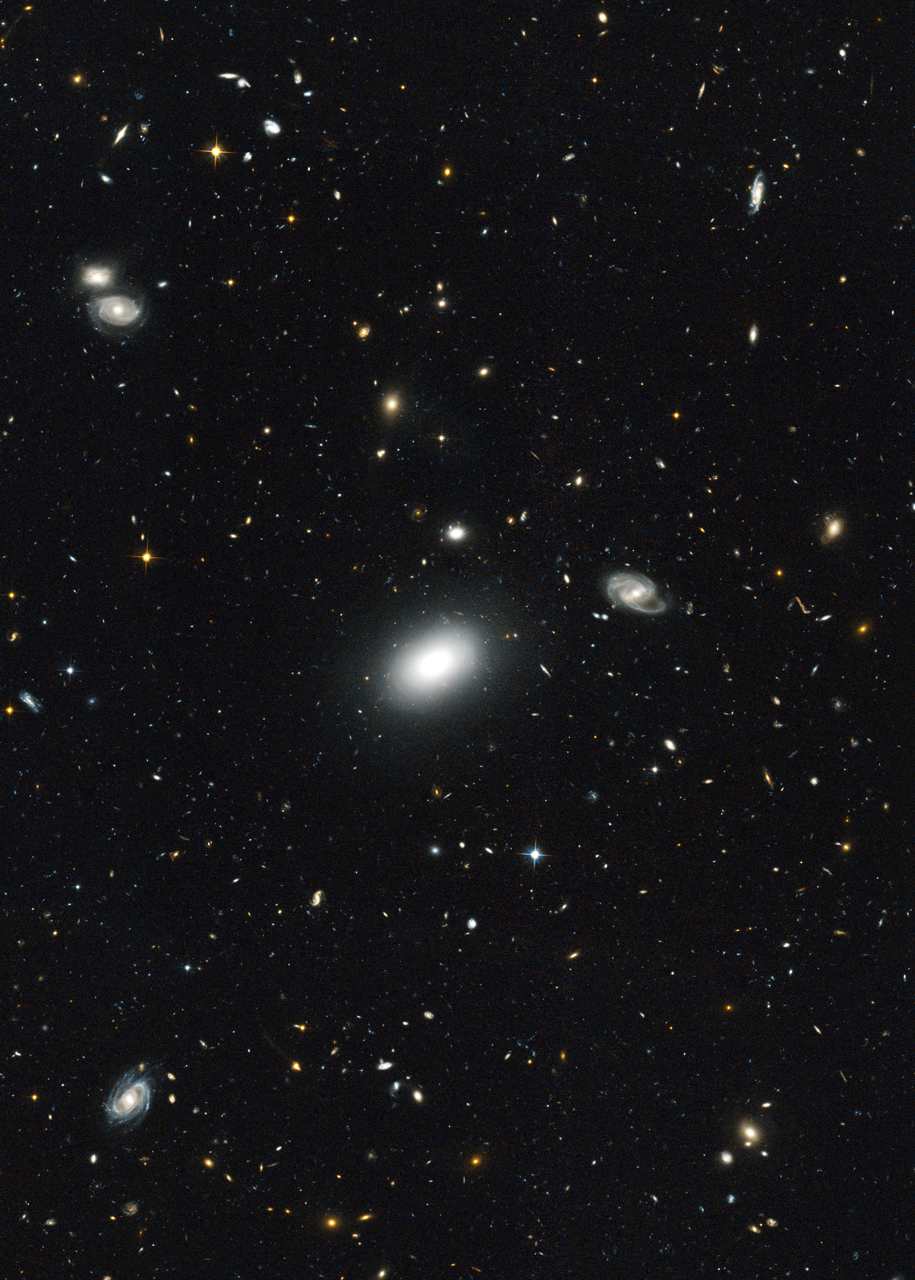
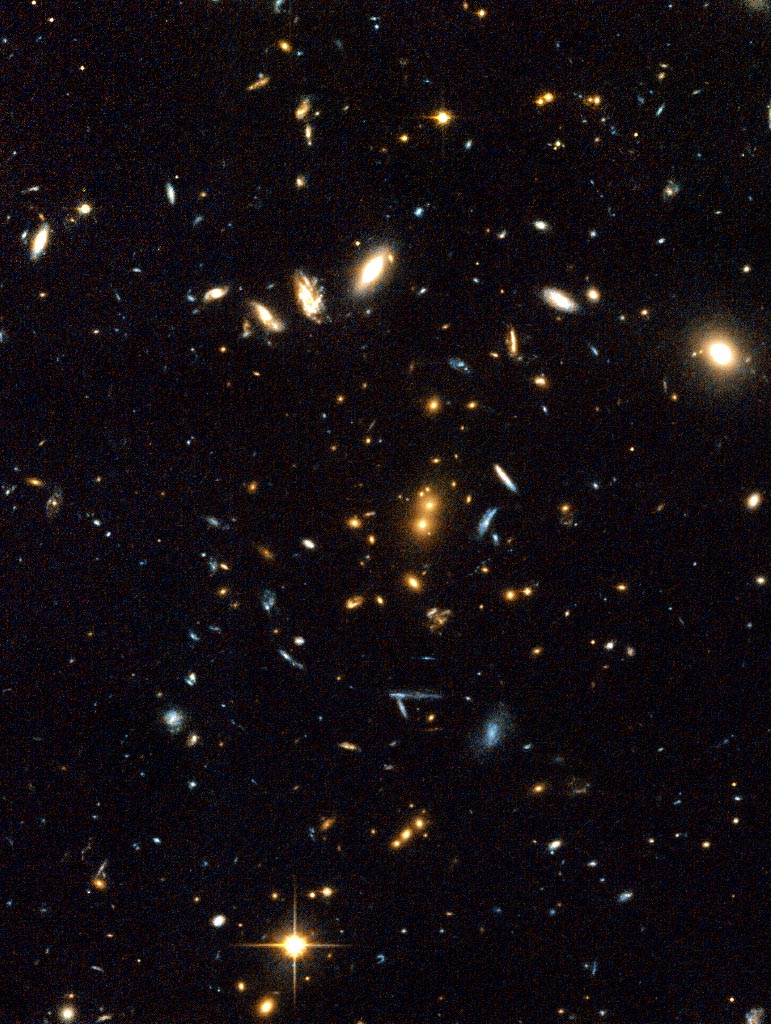
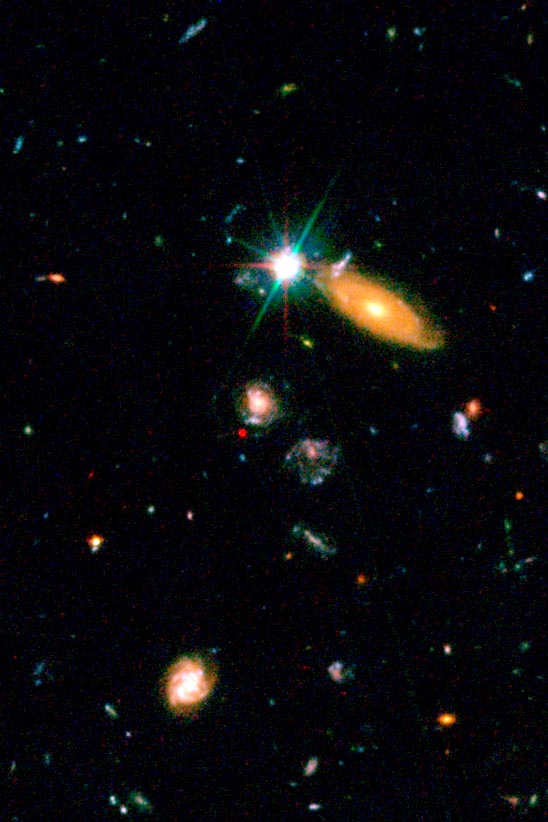
This image captures a stellar explosion designated SN 2002dd, a Type Ia supernova discovered within the iconic Hubble Deep Field North — one of the most studied patches of sky in all of astronomy. The supernova appears as a faint red point of light embedded among the galaxies of the deep field, located approximately 8 billion light-years from Earth. Type Ia supernovae are thermonuclear explosions of white dwarf stars that have accumulated material from a companion star until they reach a critical mass. Because these explosions release a remarkably consistent amount of energy, they serve as 'standard candles' — reliable cosmic distance markers that allow astronomers to measure the expansion rate of the universe. The discovery of SN 2002dd in such a distant field demonstrated Hubble's unique capability to find and study supernovae at cosmological distances where they are most needed for precision cosmology.
Scientific Significance
SN 2002dd holds particular importance in observational cosmology as one of the high-redshift Type Ia supernovae used to trace the expansion history of the universe. Type Ia supernovae serve as standardizable candles because the physics of their thermonuclear detonation produces a consistent peak luminosity. By comparing this intrinsic brightness with the observed apparent brightness, astronomers can determine precise distances to extremely remote galaxies. The discovery of SN 2002dd within the Hubble Deep Field North — a region with extensive multi-wavelength coverage and well-characterized galaxy properties — provided an unusually rich context for studying the supernova's host galaxy environment. Observations of distant supernovae like SN 2002dd were instrumental in confirming that the expansion of the universe is not merely continuing but accelerating, driven by a mysterious repulsive force now called dark energy. This acceleration implies that dark energy constitutes approximately 68 percent of the total energy content of the universe, fundamentally transforming our cosmological models.
Observation Details
SN 2002dd was detected through repeated Hubble observations of the Hubble Deep Field North using the Advanced Camera for Surveys (ACS). The supernova search strategy involved comparing new images with earlier reference frames of the same field to identify transient sources that appeared between epochs. The faintness and redness of the supernova at its cosmological distance required Hubble's sensitivity and resolution to distinguish it from the surrounding galaxies. Follow-up spectroscopic observations confirmed the supernova classification as Type Ia and established its redshift. The photometric light curve — tracking how the supernova brightened and then faded over weeks — was compared with calibrated templates to derive a precise distance measurement.
Location in the Universe
Constellation
Ursa Major
Distance from Earth
8 billion light-years
Fun Facts
- 1
SN 2002dd was one of the most distant supernovae ever detected at the time of its discovery, exploding when the universe was only about 40 percent of its current age.
- 2
Type Ia supernovae like SN 2002dd are so consistently bright that astronomers call them 'standard candles' — their predictable luminosity was the key tool used to discover that the expansion of the universe is accelerating, a finding that earned the 2011 Nobel Prize in Physics.
- 3
The Hubble Deep Field North, where this supernova was found, covers an area of sky smaller than a grain of sand held at arm's length, yet it contains approximately 3,000 galaxies at various distances and stages of evolution.
Image credit: NASA, ESA, Hubble Space Telescope