About This Image
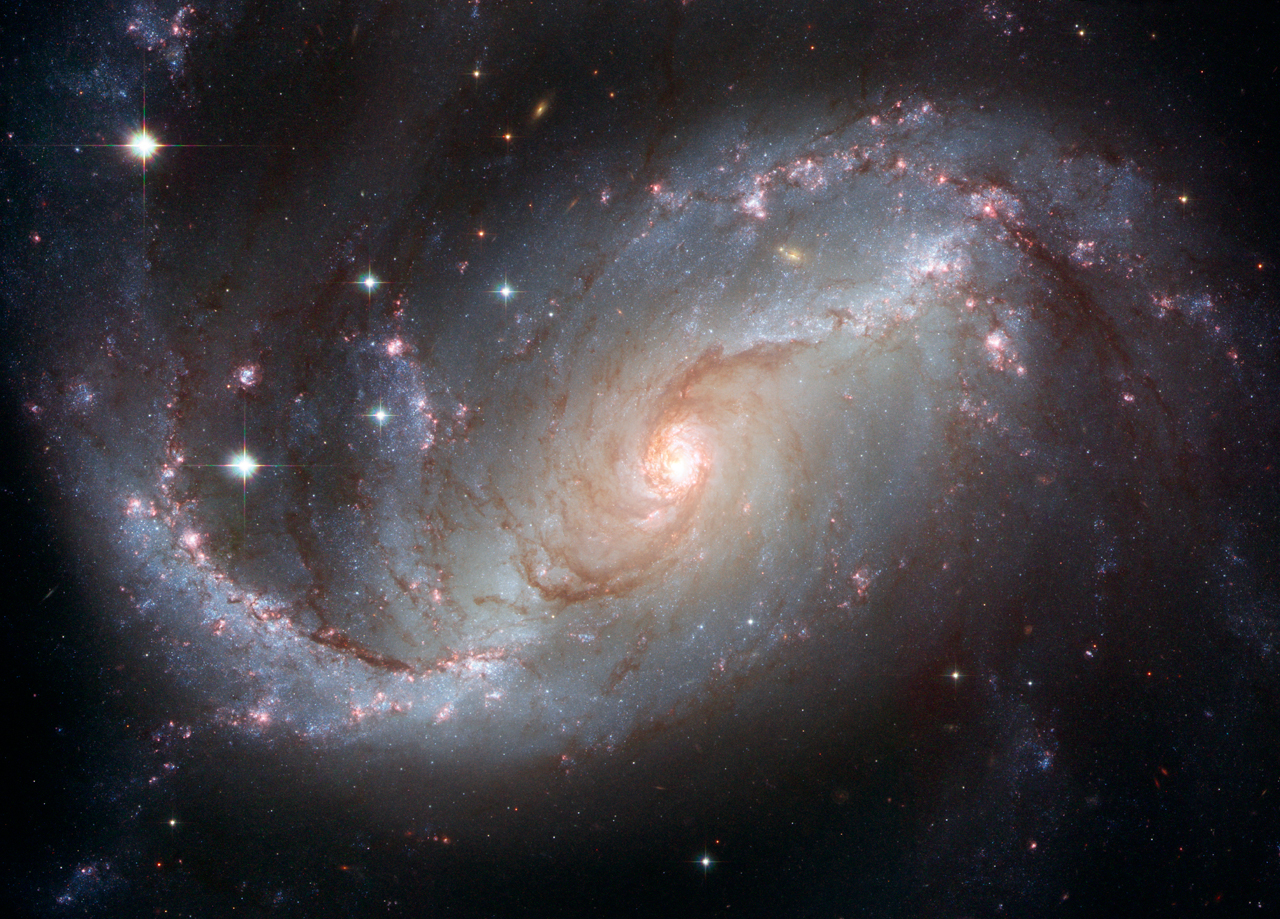
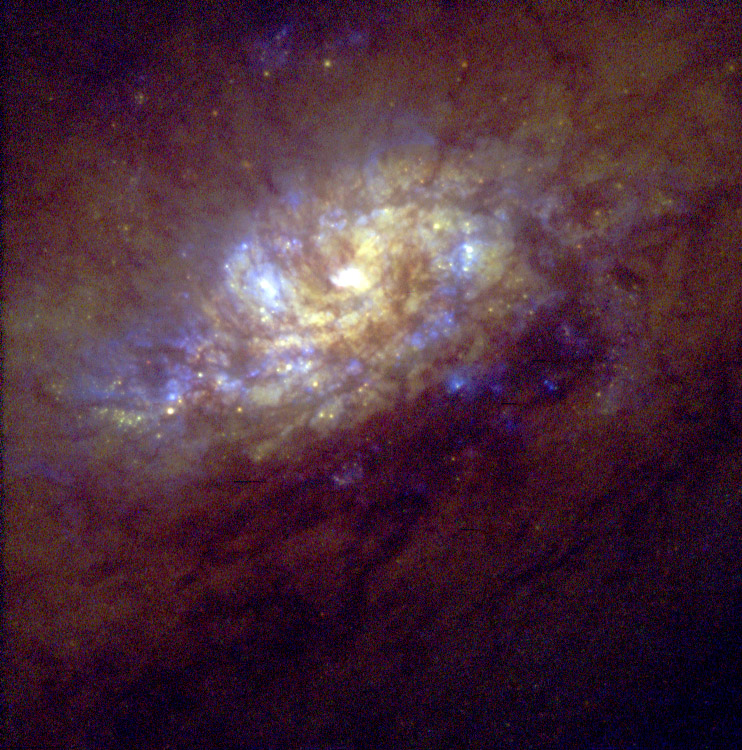
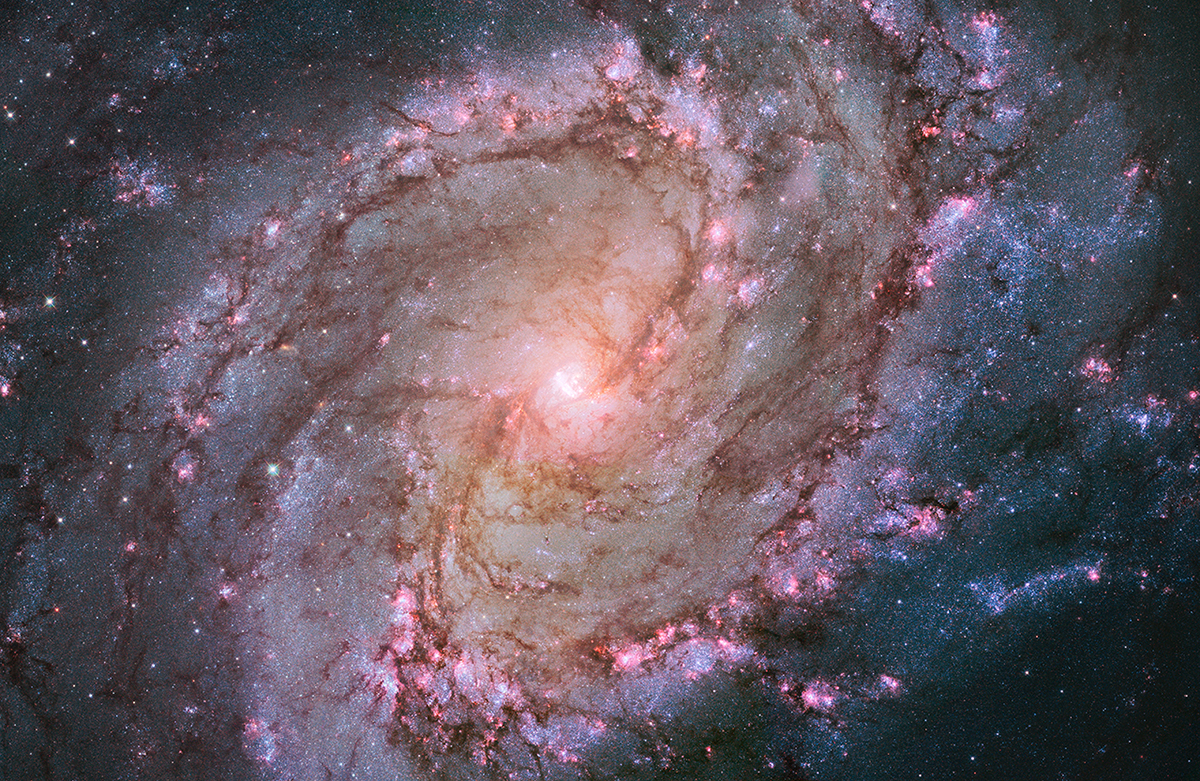
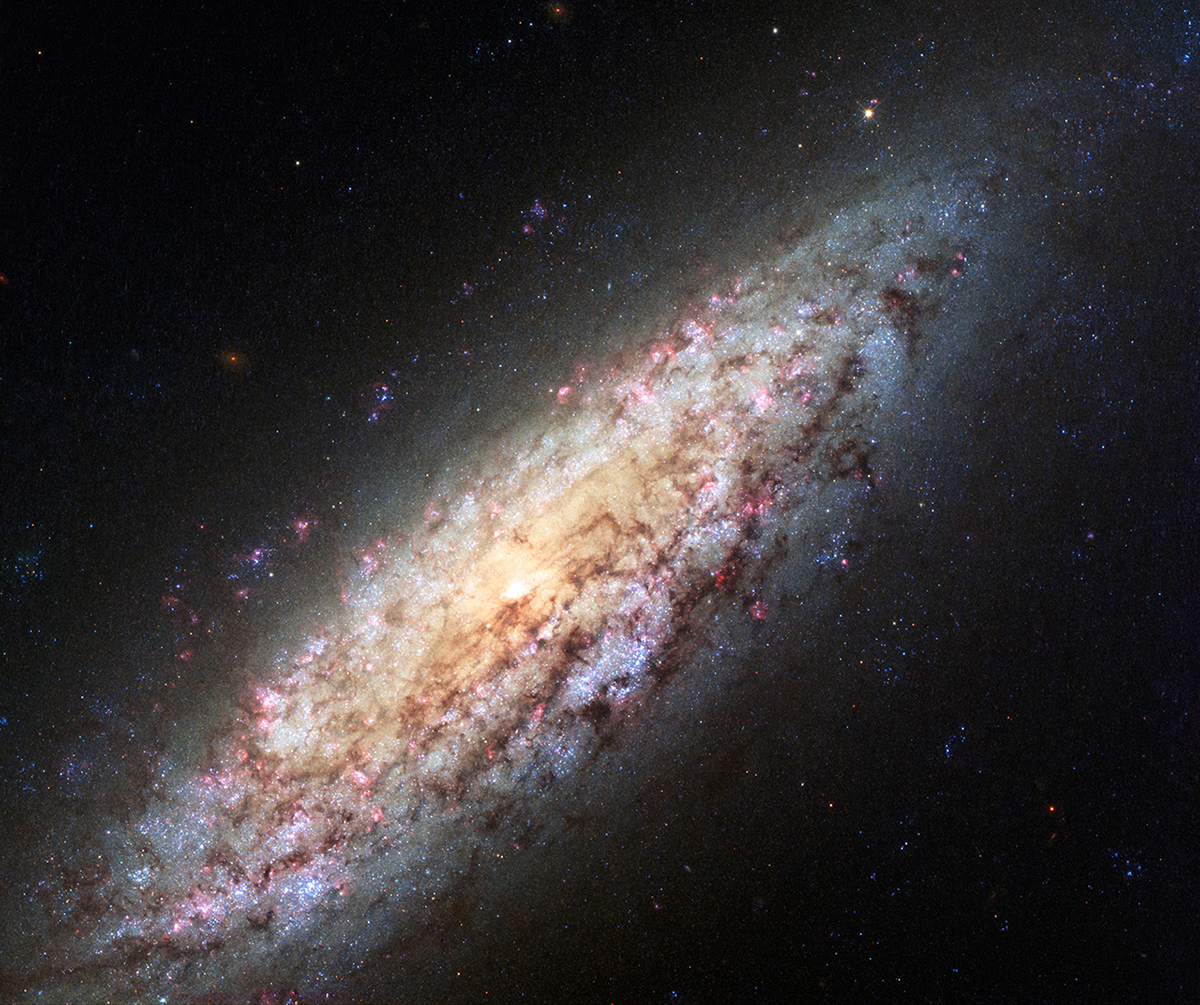
Most galaxies are clumped together in groups or clusters, with neighboring galaxies never far away. But this galaxy, known as NGC 6503, has found itself in a lonely position, at the edge of a strangely empty patch of space called the Local Void. This cosmic solitude makes NGC 6503 a unique laboratory for studying how galaxies evolve when isolated from the gravitational influences and interactions that typically shape galactic evolution. The galaxy displays a beautiful spiral structure with well-defined dust lanes and regions of active star formation concentrated along the spiral arms. Reddish emission nebulae mark sites where newborn stars ionize surrounding gas, while the overall blue tinge indicates a relatively young stellar population throughout the disk.
Scientific Significance
NGC 6503's location at the edge of the Local Void makes it invaluable for understanding intrinsic galaxy evolution without the complications of environmental effects. Most spiral galaxies experience tidal interactions, ram pressure stripping, and mergers that alter their gas content and star formation histories. NGC 6503's isolation means its current properties reflect primarily internal processes — gas cooling, disk instabilities, and feedback from star formation. The galaxy's dark matter halo has been studied through detailed rotation curve analysis, revealing a classic disk galaxy profile that helps calibrate mass models. Recent observations have detected evidence of recent minor accretion events, suggesting that even 'isolated' galaxies occasionally consume smaller companions.
Observation Details
Hubble observed NGC 6503 using the Advanced Camera for Surveys (ACS) in multiple broadband filters to create this detailed color composite. The observations revealed the intricate dust lane structure threading through the disk and spiral arms, as well as individual star clusters marking recent star formation sites. The bluish tinge of the spiral arms results from young stellar populations, while the redder central regions contain older stars. Complementary near-infrared observations from ground-based telescopes helped constrain the stellar mass distribution, while radio observations mapped the neutral hydrogen gas that extends well beyond the optical disk.
Location in the Universe
Constellation
Draco
Distance from Earth
17 million light-years
Fun Facts
- 1
The Local Void is a vast, nearly empty region of space approximately 150 million light-years across — NGC 6503 sits at its edge, with almost no nearby galaxies for tens of millions of light-years.
- 2
Despite its isolation, NGC 6503 continues to form new stars at a healthy rate, demonstrating that galaxies can thrive even without external triggers from interactions.
- 3
NGC 6503 is sometimes called the 'Lost-in-Space Galaxy' due to its lonely location at the void's boundary.
Image credit: NASA, ESA, Hubble Space Telescope