About This Image
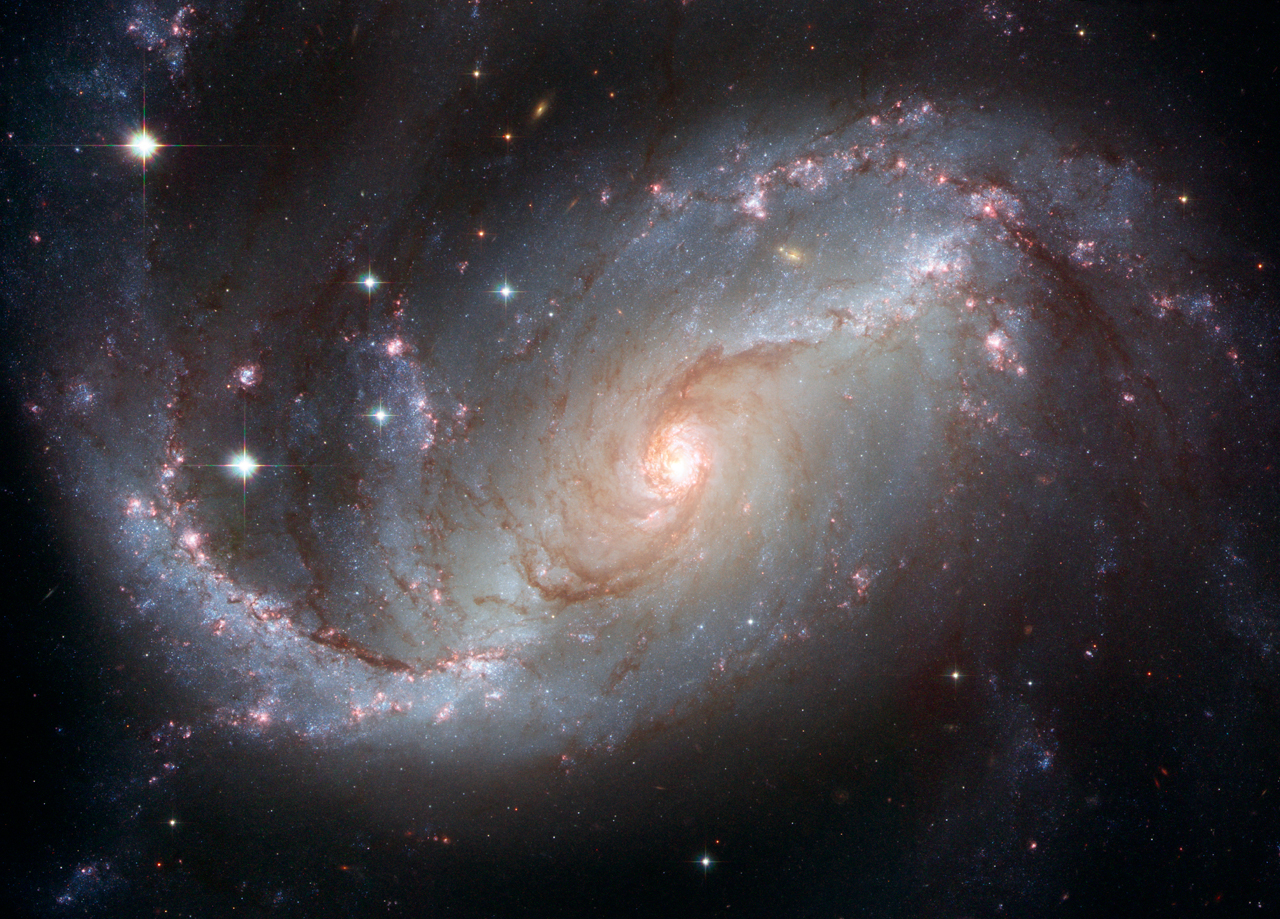
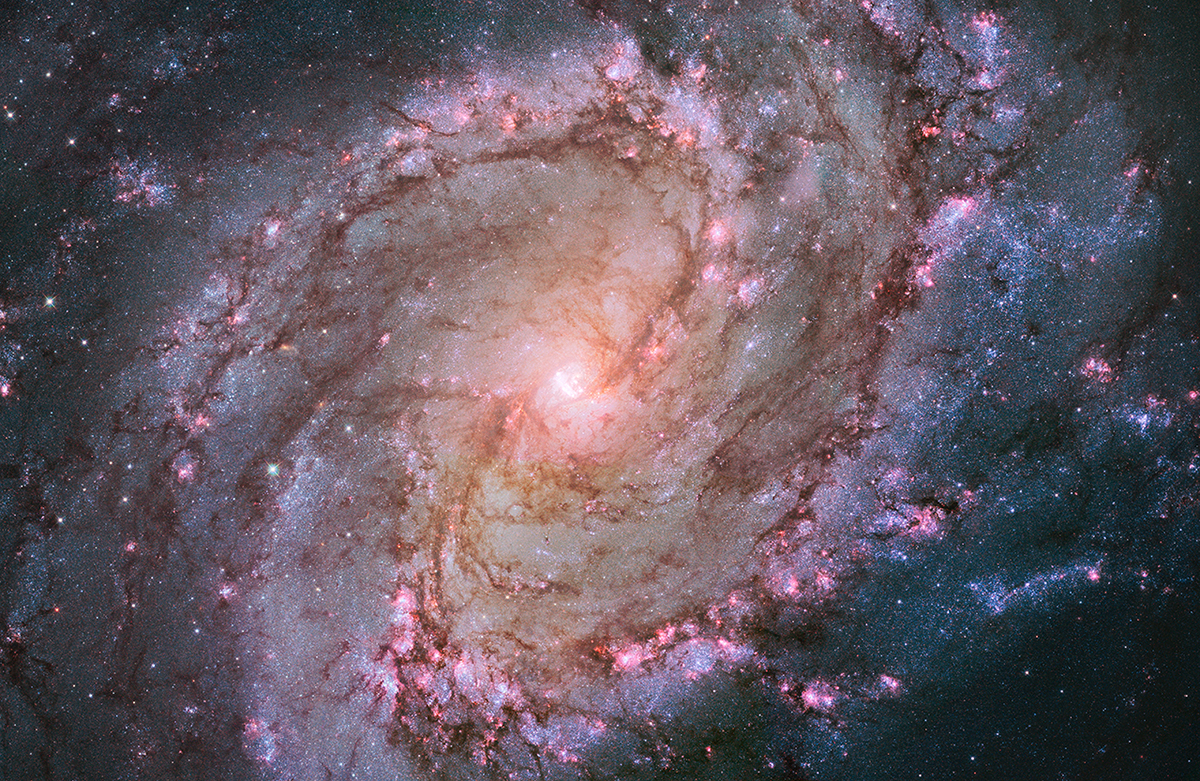
This stunning image of spiral galaxy M83 captures thousands of star clusters, hundreds of thousands of individual stars, and the ghostly remnants of dead stars called supernova remnants. Also known as the Southern Pinwheel Galaxy, M83 is one of the closest and brightest barred spiral galaxies in the sky, offering an exquisite view of spiral structure and star formation processes. The galaxy's prominent bar channels gas toward the center, fueling intense nuclear star formation, while brilliant blue clusters of young stars outline the sweeping spiral arms. Reddish emission nebulae mark HII regions where newborn stars ionize surrounding hydrogen gas. M83's high rate of supernova explosions has earned it the nickname of the 'supernova factory,' with six supernovae observed in the past century alone.
Scientific Significance
M83 is one of the most important nearby galaxies for studying the entire life cycle of stars, from birth in dense molecular clouds to death in supernova explosions. The galaxy's high star formation rate produces abundant young stellar populations that can be studied in detail with Hubble's resolution. The numerous supernova remnants provide a census of recent stellar deaths, while careful searches have identified the progenitor stars of several supernovae in archival pre-explosion images. M83's similarity to the Milky Way in terms of size, morphology, and mass makes it a valuable analog for understanding our own galaxy from an external perspective. The galaxy has also been studied extensively at radio wavelengths, revealing the distribution of molecular gas that fuels ongoing star formation.
Observation Details
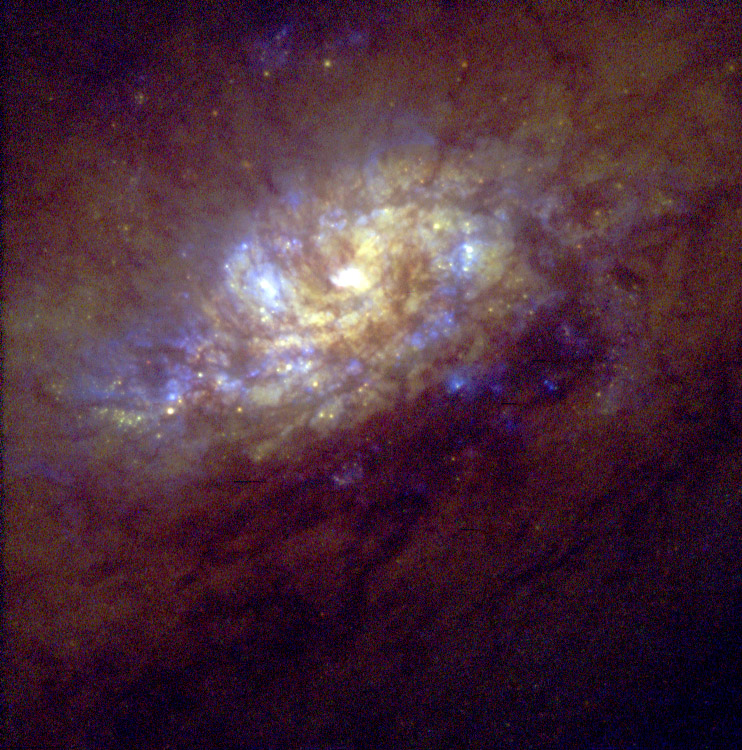
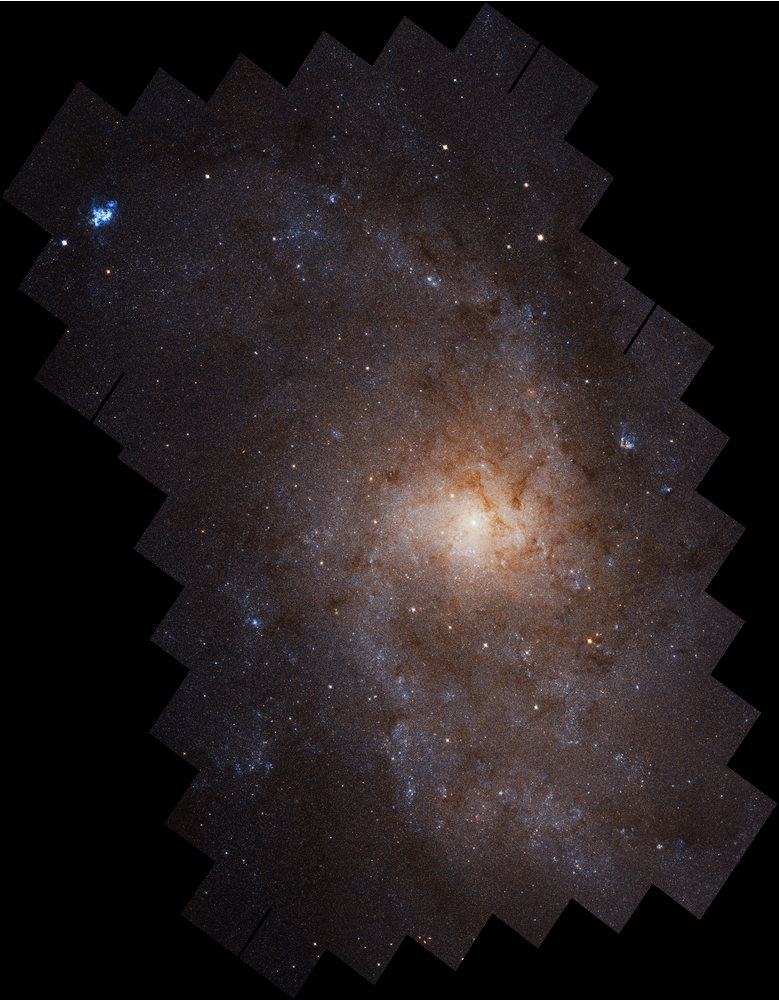
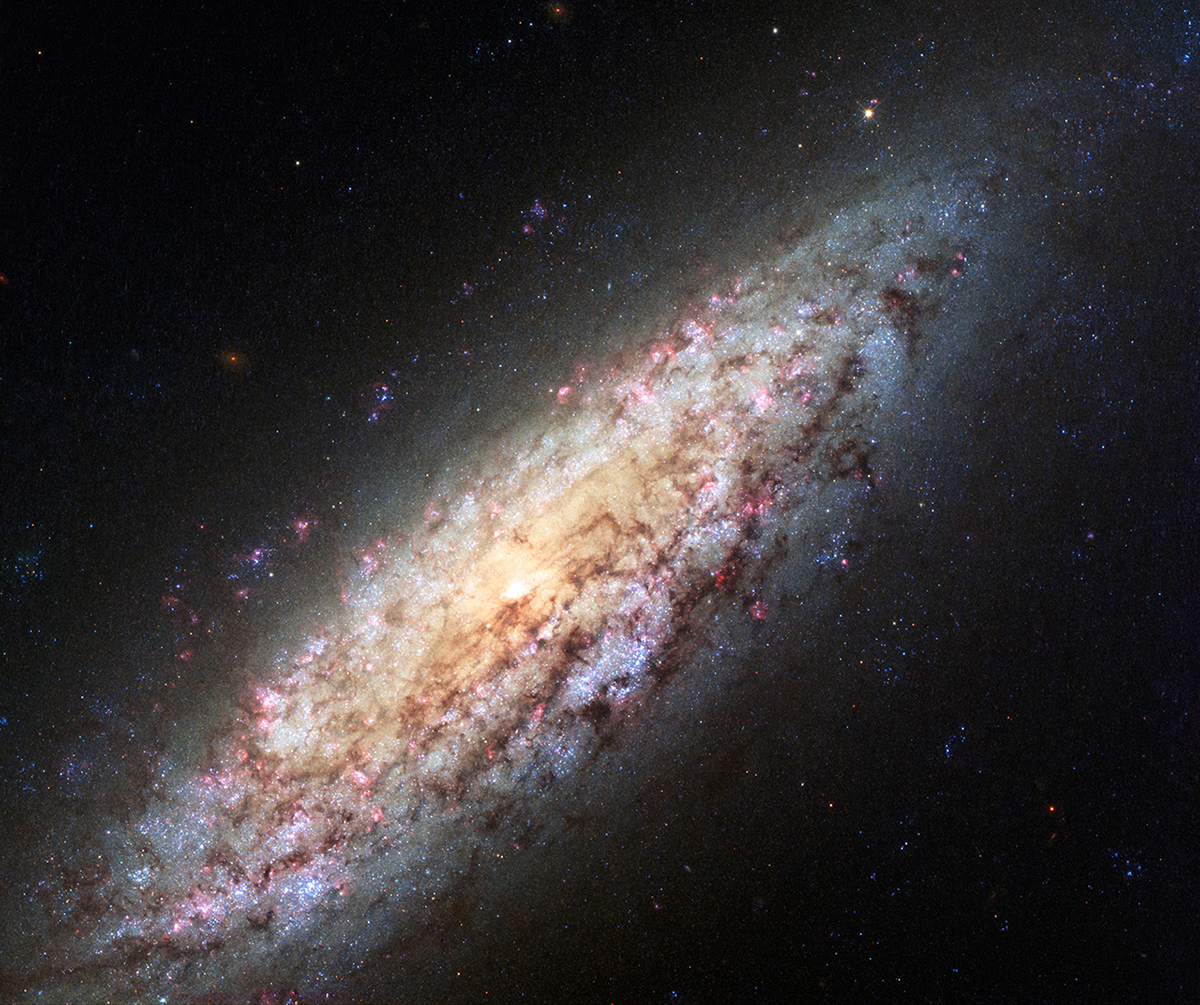
Hubble observed M83 using the Wide Field Camera 3 (WFC3) in multiple filters spanning ultraviolet through near-infrared wavelengths. The ultraviolet observations revealed the youngest, hottest stars that dominate recent star formation episodes, while optical filters captured the older stellar populations and emission from ionized gas. The observations covered the central region of the galaxy in exquisite detail, resolving individual star clusters as small as a few light-years across. Narrowband filters isolated emission from hydrogen (H-alpha) and other elements, mapping the distribution of HII regions and supernova remnants. The multi-wavelength approach enables comprehensive studies of stellar populations across the full range of ages.
Location in the Universe
Constellation
Hydra
Distance from Earth
15 million light-years
Fun Facts
- 1
M83 has produced more observed supernovae than any other galaxy in modern times — six since 1923 — earning it the reputation as a supernova factory.
- 2
The galaxy's central bar rotates like a rigid body, taking about 200 million years to complete one rotation, and drives gas inward to fuel star formation.
- 3
M83 is nearly face-on to our line of sight, tilted only about 24 degrees from perpendicular, providing an excellent view of its spiral structure.
Image credit: NASA, ESA, Hubble Space Telescope