About This Image
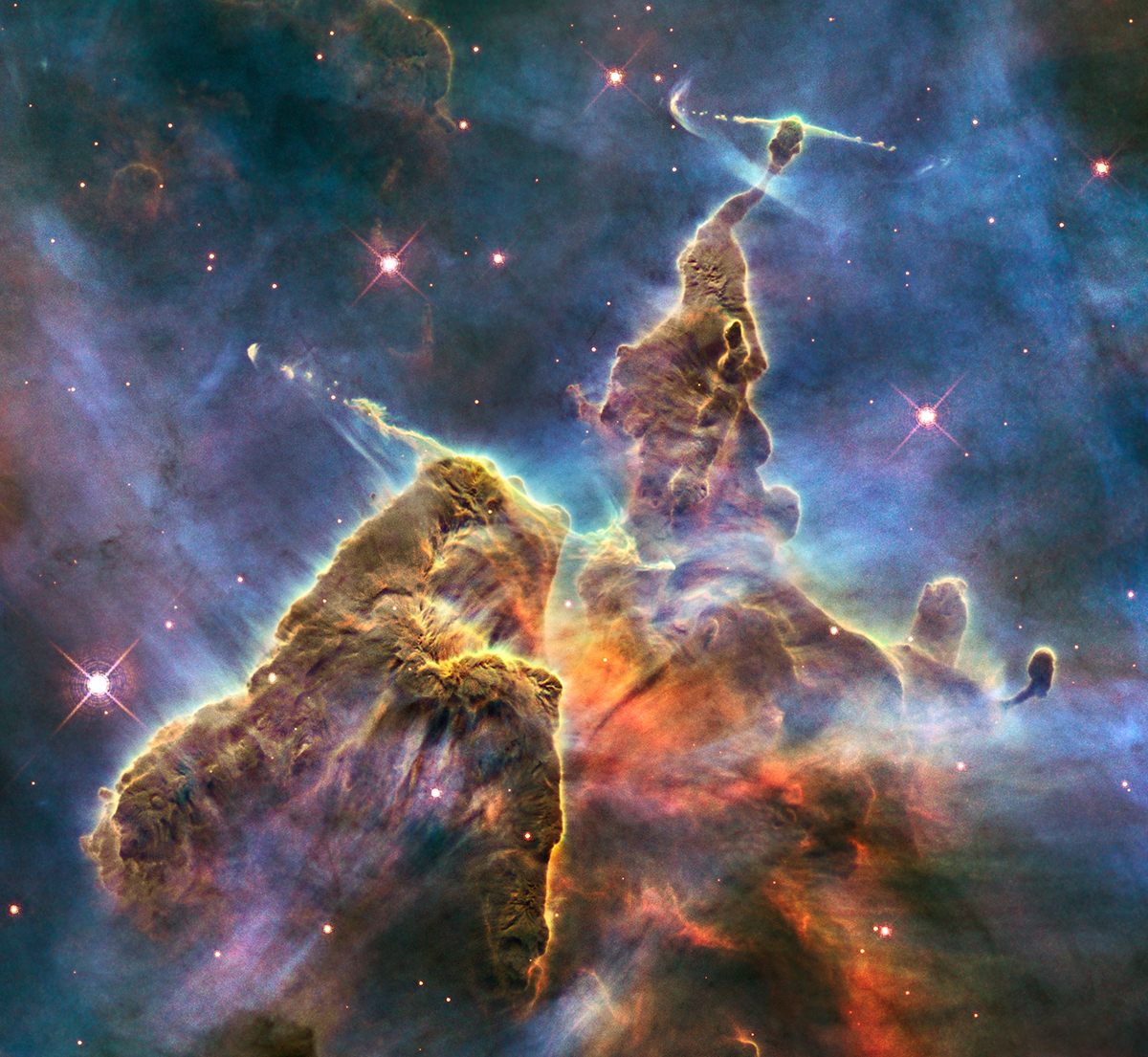
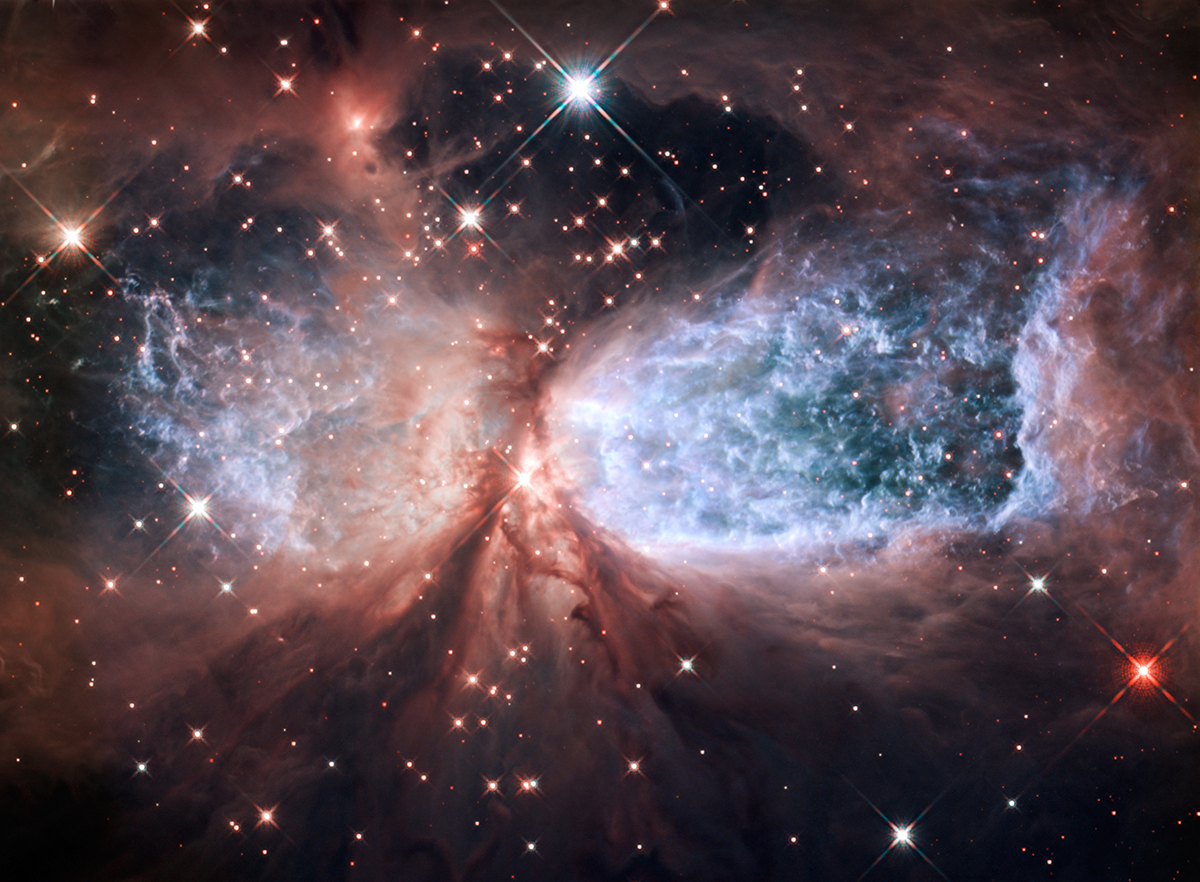
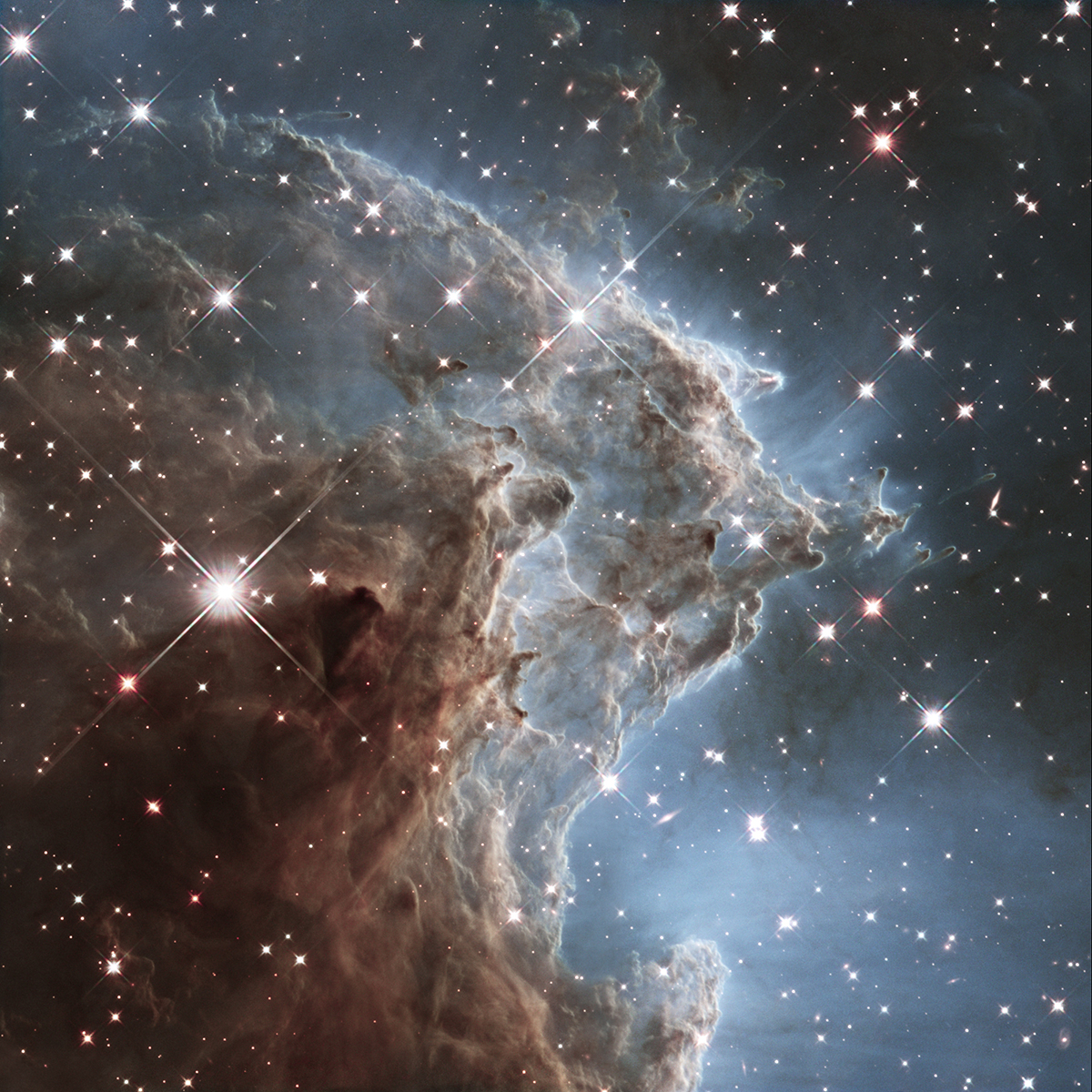
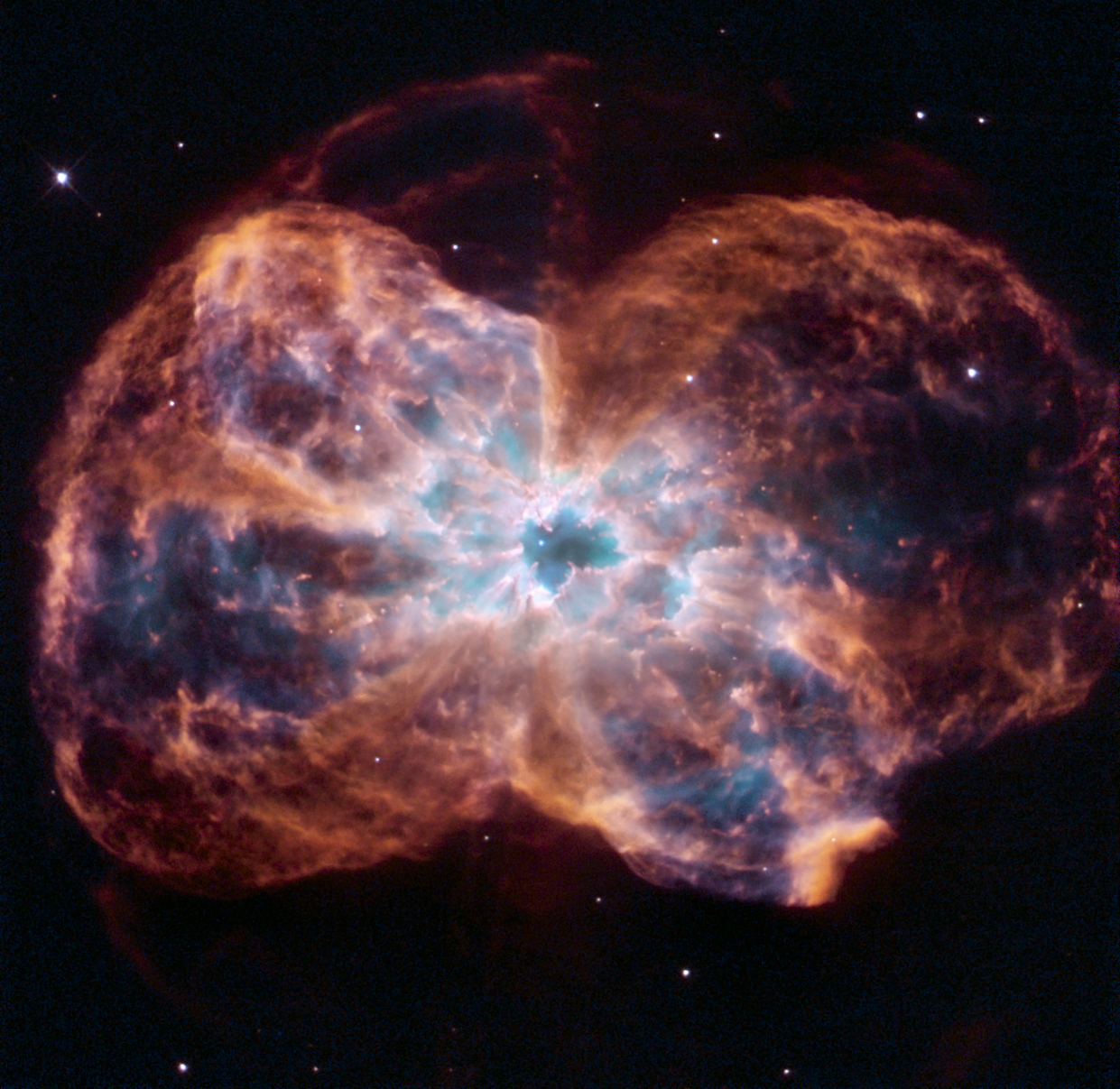
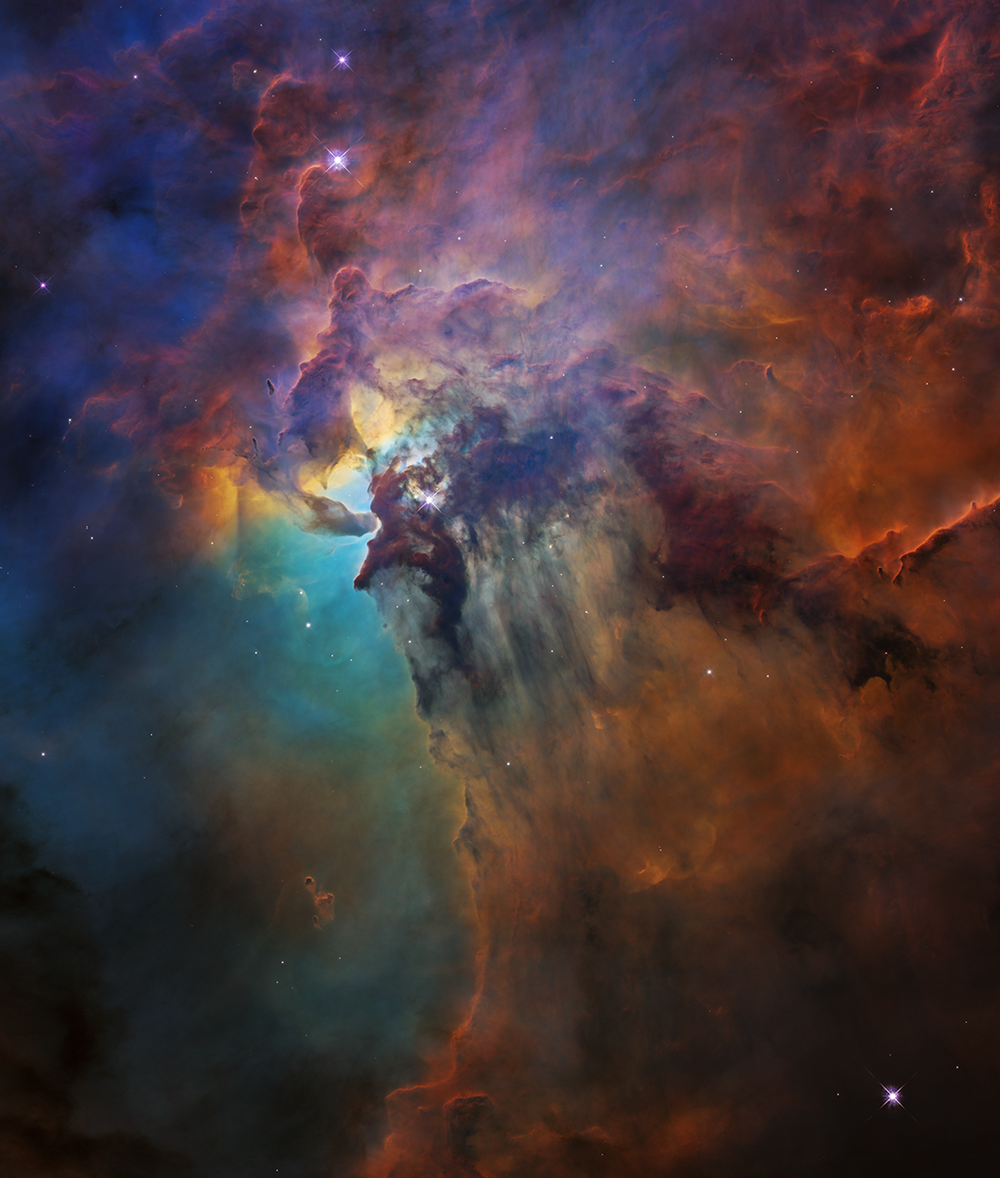
This spectacular image zooms into the heart of a vast star-forming region called the Lagoon Nebula (Messier 8), one of the most iconic and well-studied nebulae in the sky. At the center of the image, a massive young star known as Herschel 36 is blasting its surroundings with powerful radiation and fierce stellar winds, carving dramatic shapes into the surrounding gas and dust like a cosmic sculptor. The interplay of light and shadow creates a landscape of twisted ridges, dark filaments, and luminous peaks that changes over timescales visible even within a human lifetime. Bright ionized gas glows in vivid pinks and reds from excited hydrogen atoms, while the dark lanes of dust absorb and redirect light, creating intricate patterns of contrast across the field. The Lagoon Nebula stretches approximately 55 by 20 light-years in extent and is one of only two star-forming nebulae faintly visible to the naked eye from Earth's Northern Hemisphere, making it a beloved target for both professional and amateur astronomers.
Scientific Significance
The Lagoon Nebula is one of the premier laboratories for studying how massive stars shape their birth environments through radiative and mechanical feedback. Herschel 36, the dominant star illuminating this view, is a young O-type star whose prodigious energy output is actively sculpting the surrounding molecular cloud, creating the photodissociation region visible as the bright boundary between ionized and molecular gas. Time-series Hubble observations spanning years have detected actual changes in the nebula's structures, including moving shadows and shifting illumination patterns caused by opaque clouds of material drifting in front of Herschel 36. These observations provide unique constraints on the three-dimensional geometry and gas dynamics of the region. The Lagoon Nebula also hosts a rich population of protoplanetary disks (proplyds) around young low-mass stars, offering insights into how planetary systems form in environments dominated by massive stellar radiation.
Observation Details
This anniversary image was captured using Hubble's Wide Field Camera 3 (WFC3) in both visible and infrared light. The visible-light image combines data from filters spanning the ultraviolet through red, including narrowband hydrogen-alpha and nitrogen II filters that highlight the ionized gas emission. The companion infrared image, taken in the F110W and F160W bands, penetrates the dusty structures to reveal embedded stars invisible in optical light. Together, the two views provide complementary information about the stellar content and gas physics of the region.
Location in the Universe
Constellation
Sagittarius
Distance from Earth
4,100 light-years
Fun Facts
- 1
The Lagoon Nebula was the subject of Hubble's 28th anniversary image in 2018 — at 4 by 3 light-years, this view covers only a small fraction of the nebula's total 55-light-year extent.
- 2
The central star Herschel 36 is about 200,000 times brighter than our Sun and has a surface temperature of roughly 40,000°C — its radiation is so intense that it causes nearby gas to fluoresce like a cosmic neon sign.
- 3
The Lagoon Nebula gets its name from the dark lane of dust that runs through its center in wide-field images, creating an appearance reminiscent of a lagoon — though Hubble's close-up reveals this 'lagoon' is actually a complex three-dimensional structure.
Image credit: NASA, ESA, Hubble Space Telescope