About This Image
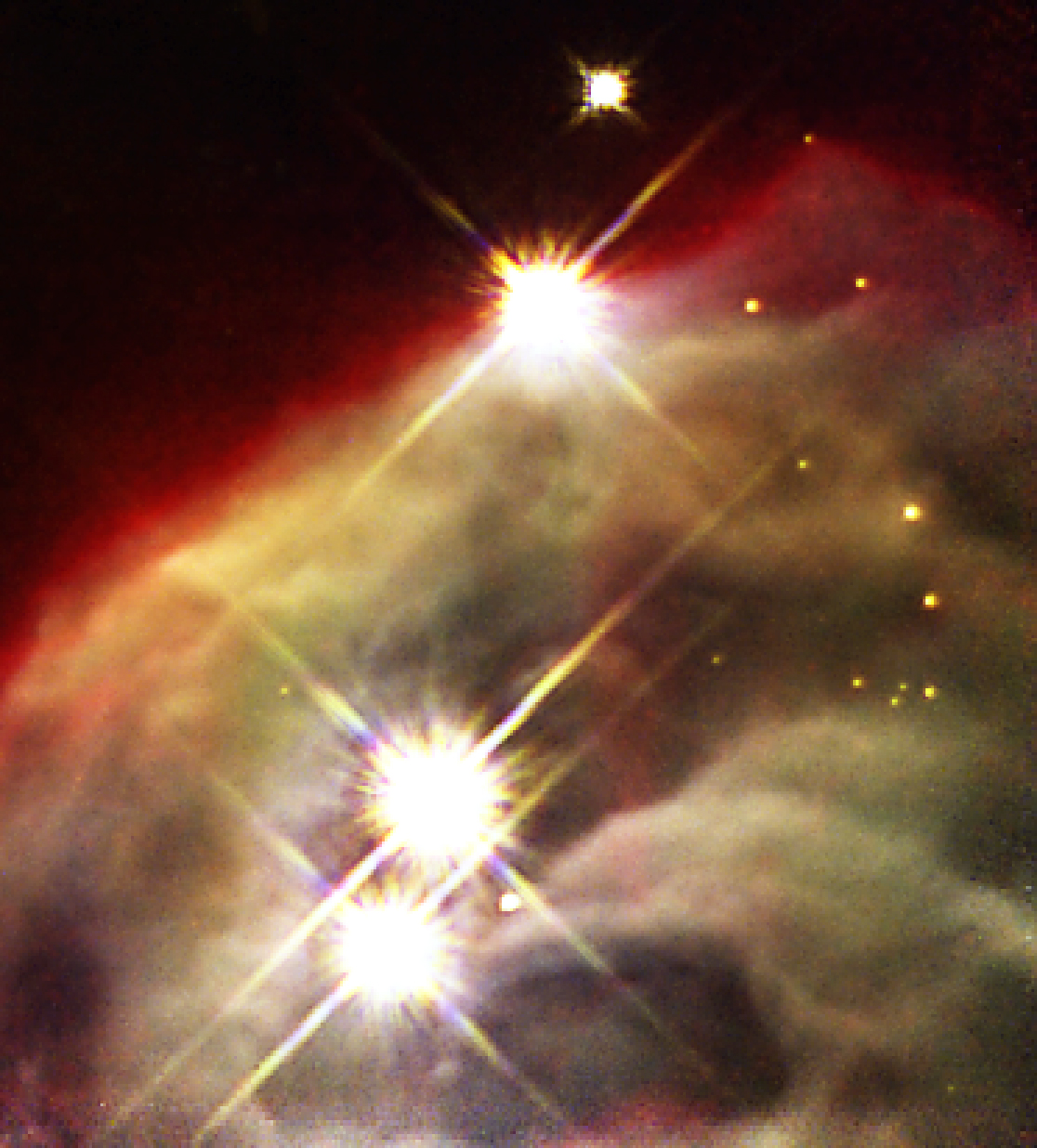
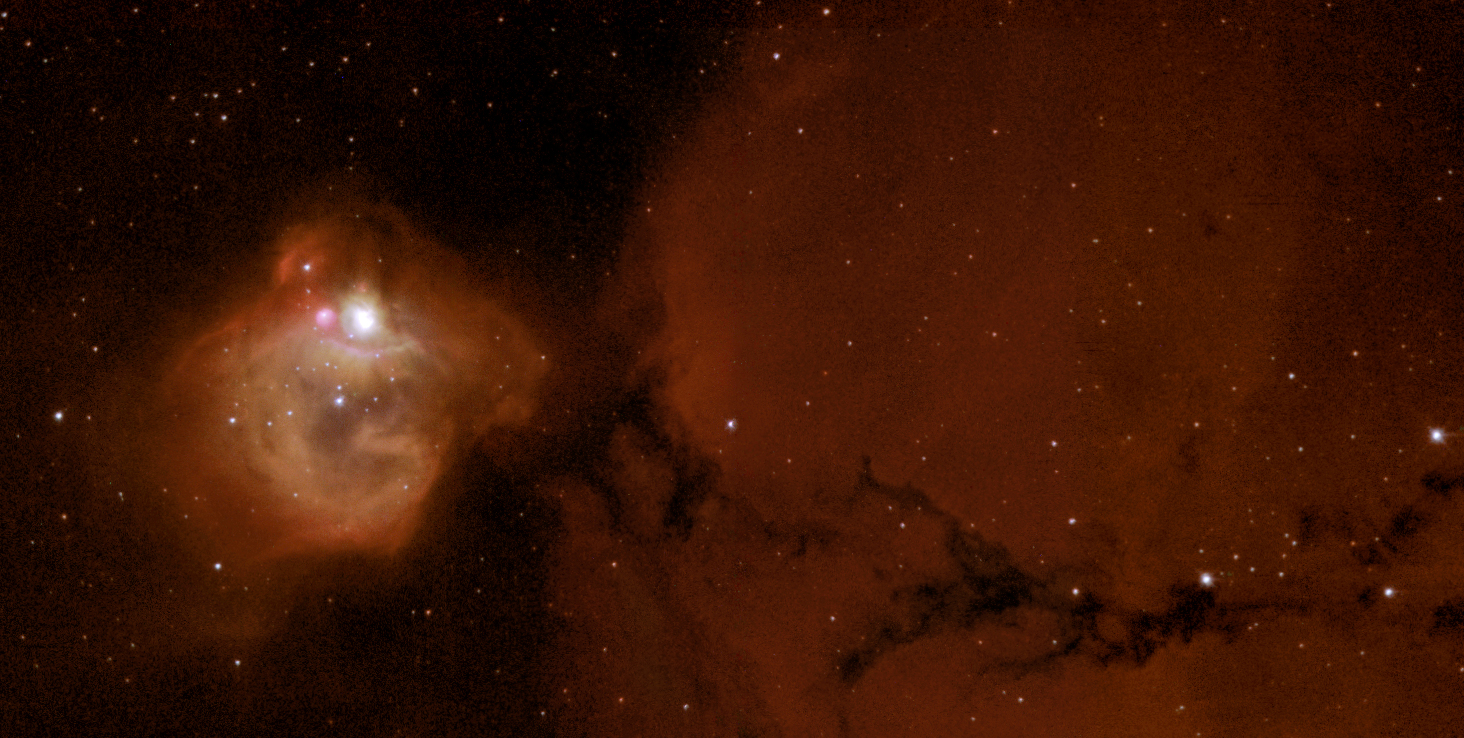
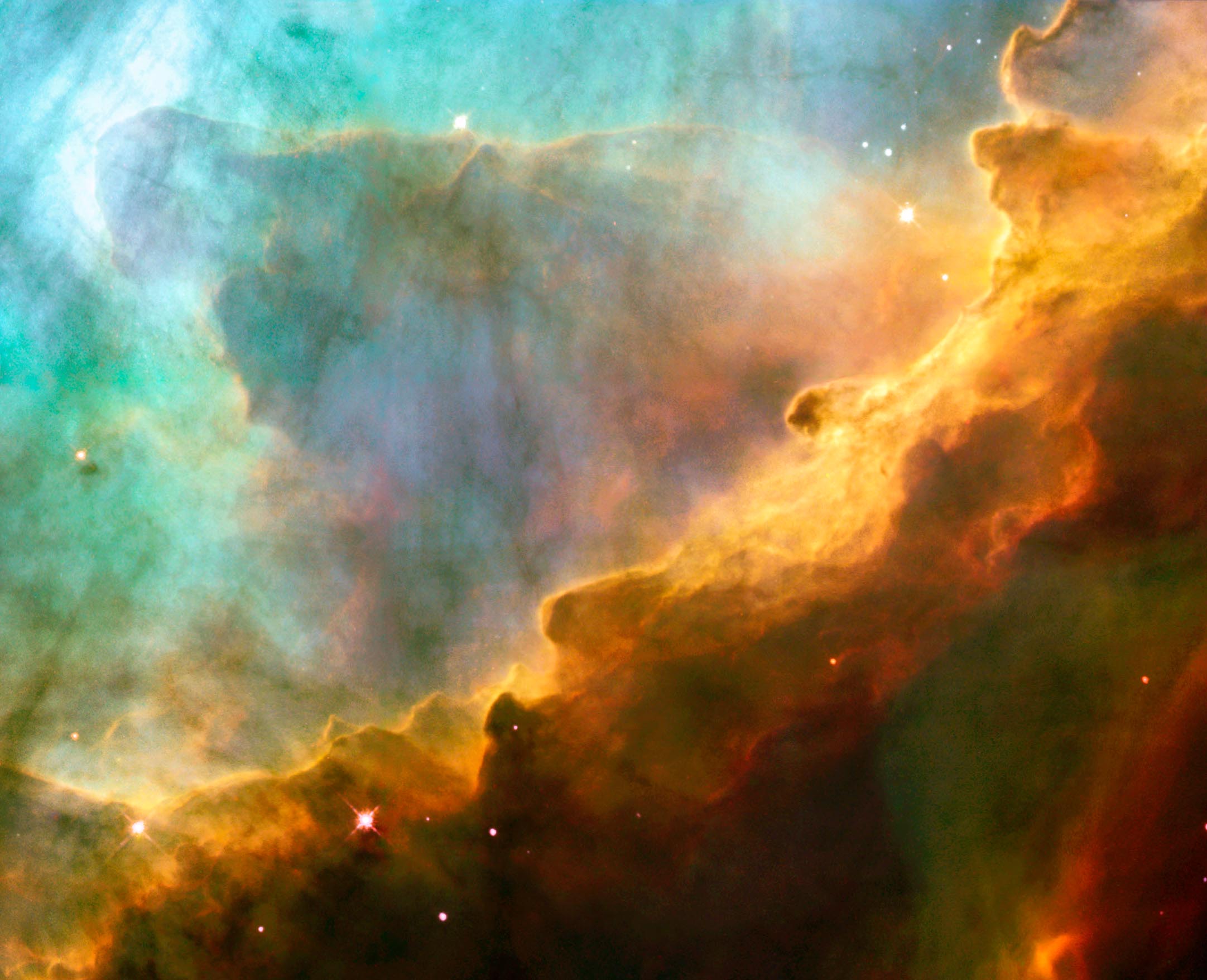
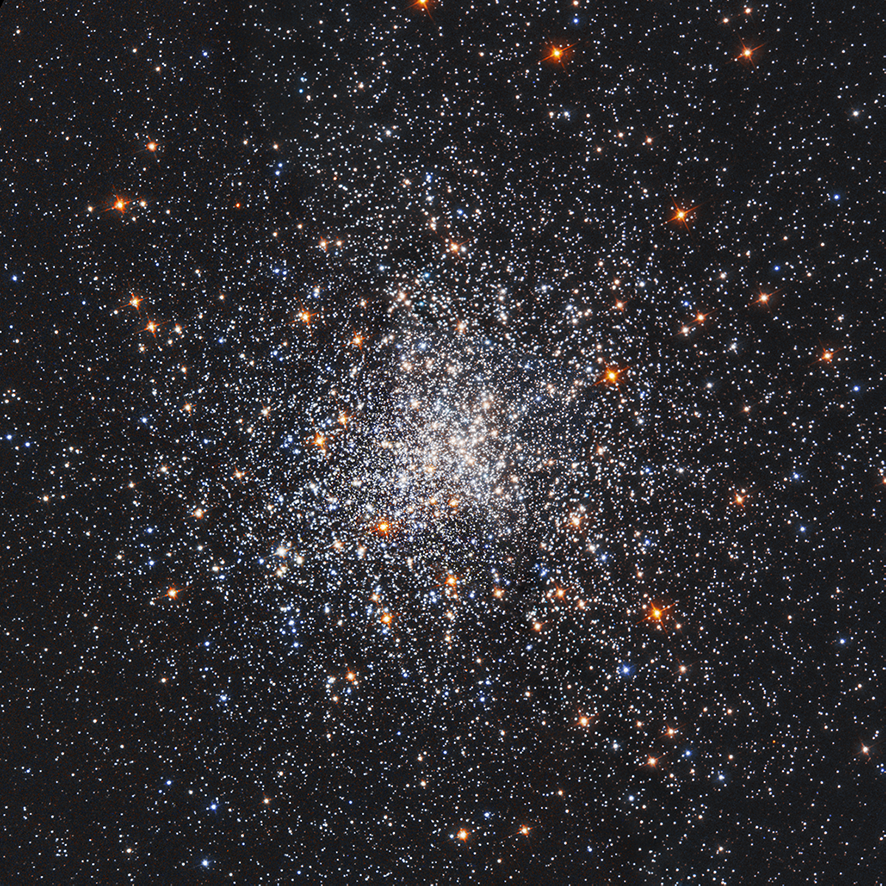
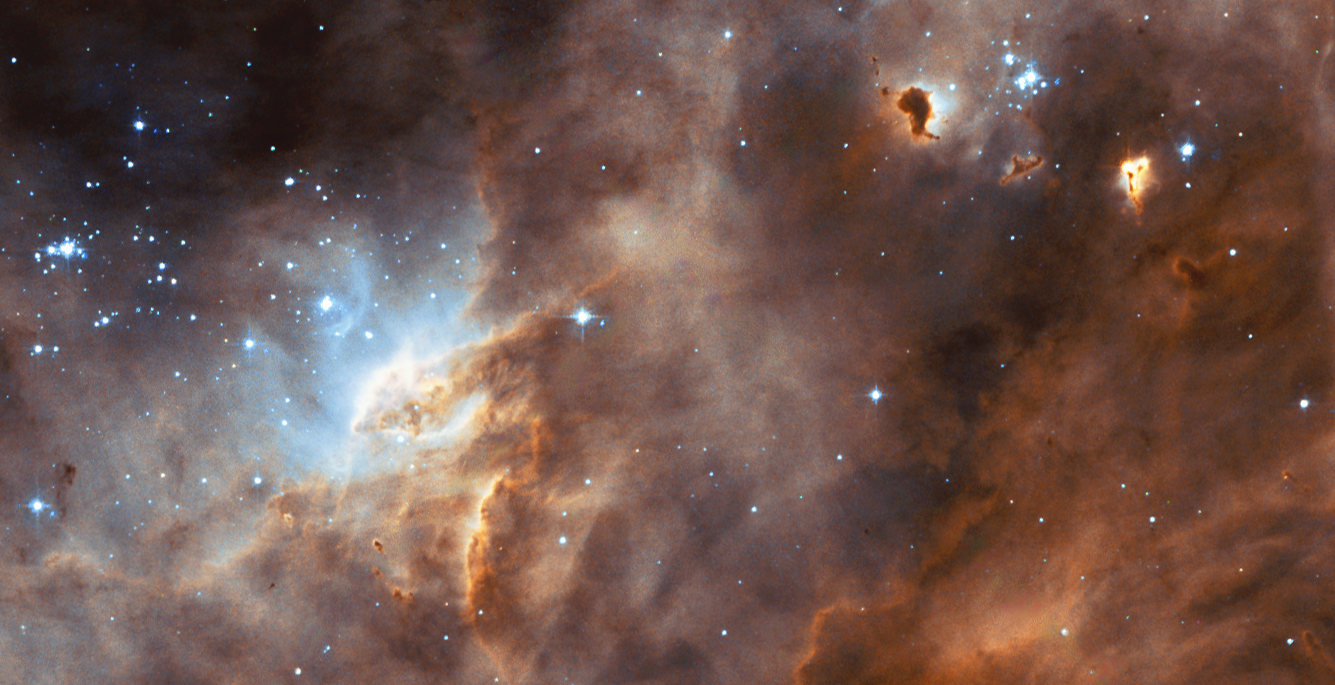
This panoramic view captures an iridescent tapestry of star birth in the region cataloged as N11B, located in the Large Magellanic Cloud, a satellite galaxy of the Milky Way roughly 160,000 light-years from Earth. The scene is filled with glowing gas illuminated by intense ultraviolet radiation, dark dust clouds that obscure the light of background stars, and brilliant young hot stars that have recently emerged from their stellar nurseries. N11B is part of the second-largest star-forming complex in the Large Magellanic Cloud, surpassed only by the famous Tarantula Nebula. The region displays a rich tapestry of interstellar structures including bright-rimmed clouds, compact HII regions, and dark globules that may harbor the next generation of protostars.
Scientific Significance
N11B provides an exceptional laboratory for studying triggered star formation in an environment with different chemical conditions than the Milky Way. The Large Magellanic Cloud has a metallicity approximately half that of our galaxy, meaning it contains fewer heavy elements. This lower metallicity affects the cooling rates of gas clouds, the dust-to-gas ratio, and ultimately the efficiency and character of star formation. By comparing star-forming regions like N11B with their Milky Way counterparts, astronomers can quantify how metallicity influences the stellar initial mass function — the distribution of stellar masses produced in a single episode of star formation. The sequential triggering of star formation observed across the broader N11 complex provides one of the clearest examples of propagating star formation, where the energy from one generation of massive stars compresses surrounding material to create the next generation.
Observation Details
This image was captured using Hubble's Wide Field and Planetary Camera 2 (WFPC2) in multiple narrowband and broadband filters. Narrowband filters isolating hydrogen-alpha, oxygen, and sulfur emission lines were combined to create a color composite that reveals the ionization structure of the nebula. The broadband filters captured the stellar continuum emission, enabling identification and photometry of individual stars within the region. At the distance of the Large Magellanic Cloud, Hubble's angular resolution corresponds to a physical scale of about 0.04 parsecs, sufficient to resolve individual bright-rimmed clouds and compact HII regions.
Location in the Universe
Constellation
Dorado
Distance from Earth
160,000 light-years
Fun Facts
- 1
The Large Magellanic Cloud, where N11B resides, is visible to the naked eye from the Southern Hemisphere and has been known to humanity for thousands of years, appearing as a faint fuzzy patch in the constellation Dorado.
- 2
N11B is part of a chain of star-forming regions that have been sequentially triggered by previous generations of massive stars — each burst of star formation sends shockwaves that compress nearby gas clouds and ignite the next episode of stellar birth.
- 3
The hot young stars illuminating N11B have surface temperatures exceeding 40,000 degrees Celsius, making them over seven times hotter than our Sun and millions of times more luminous, though they will burn through their fuel and explode as supernovae in just a few million years.
Image credit: NASA, ESA, Hubble Space Telescope