About This Image
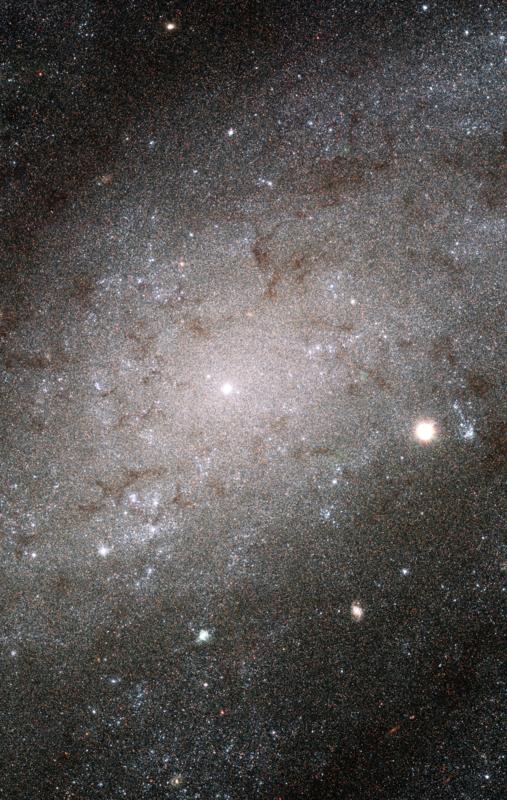
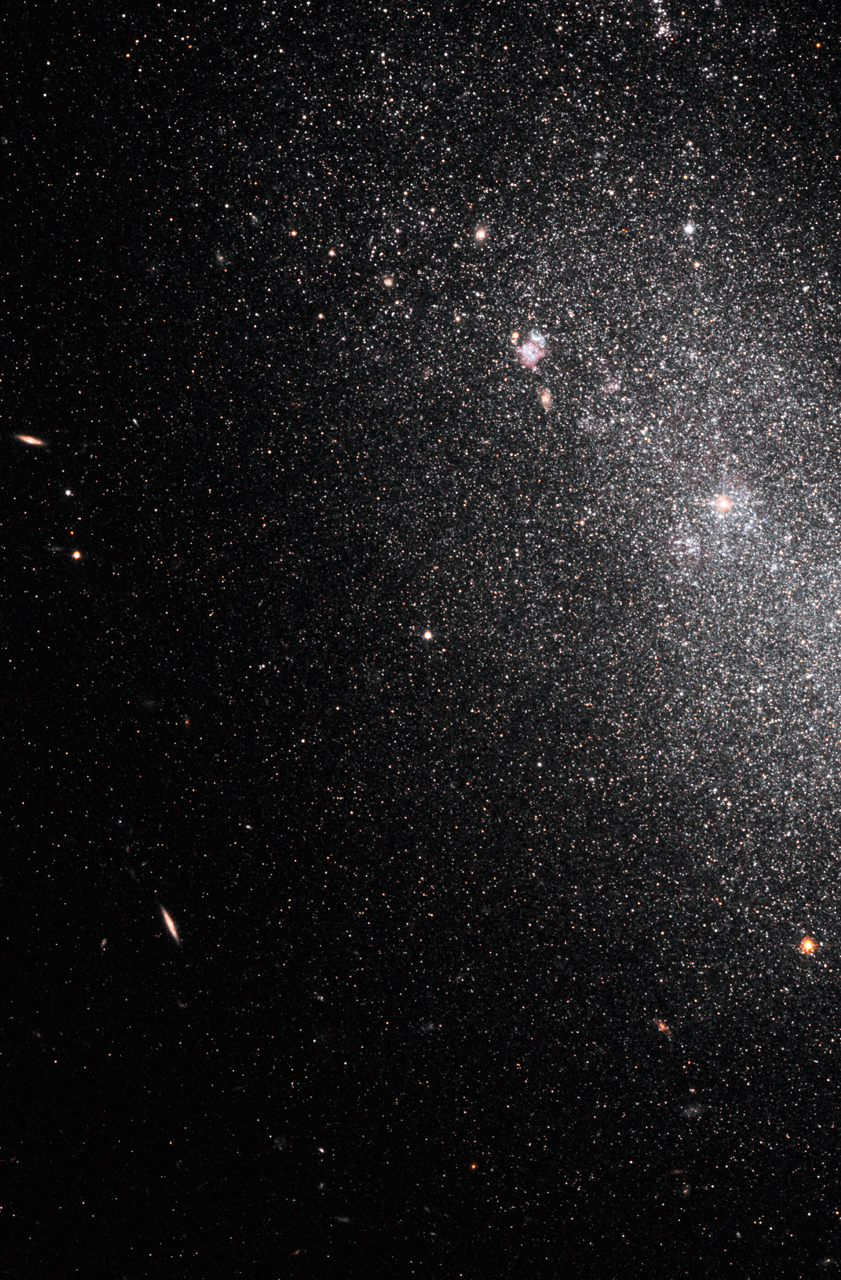
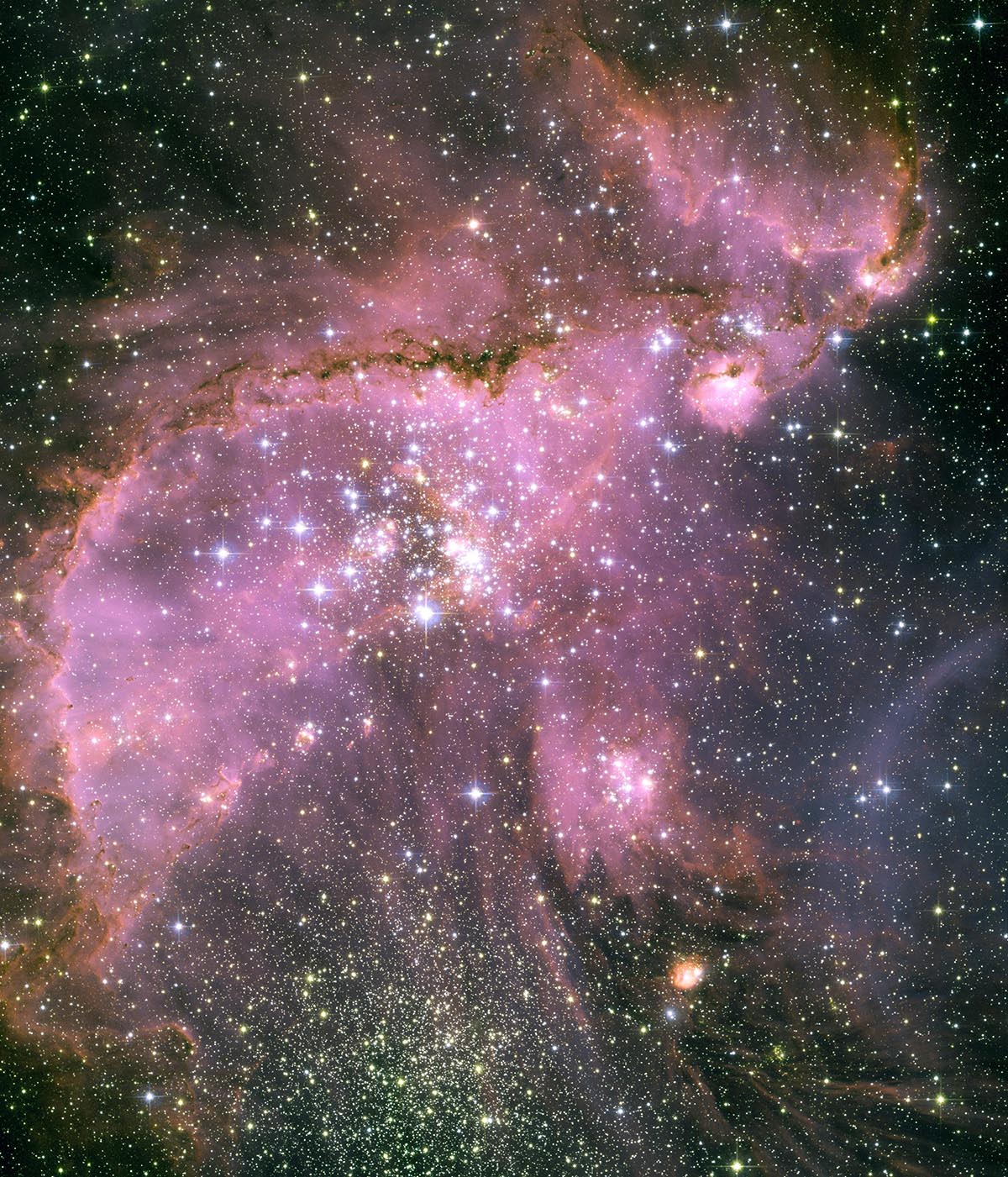
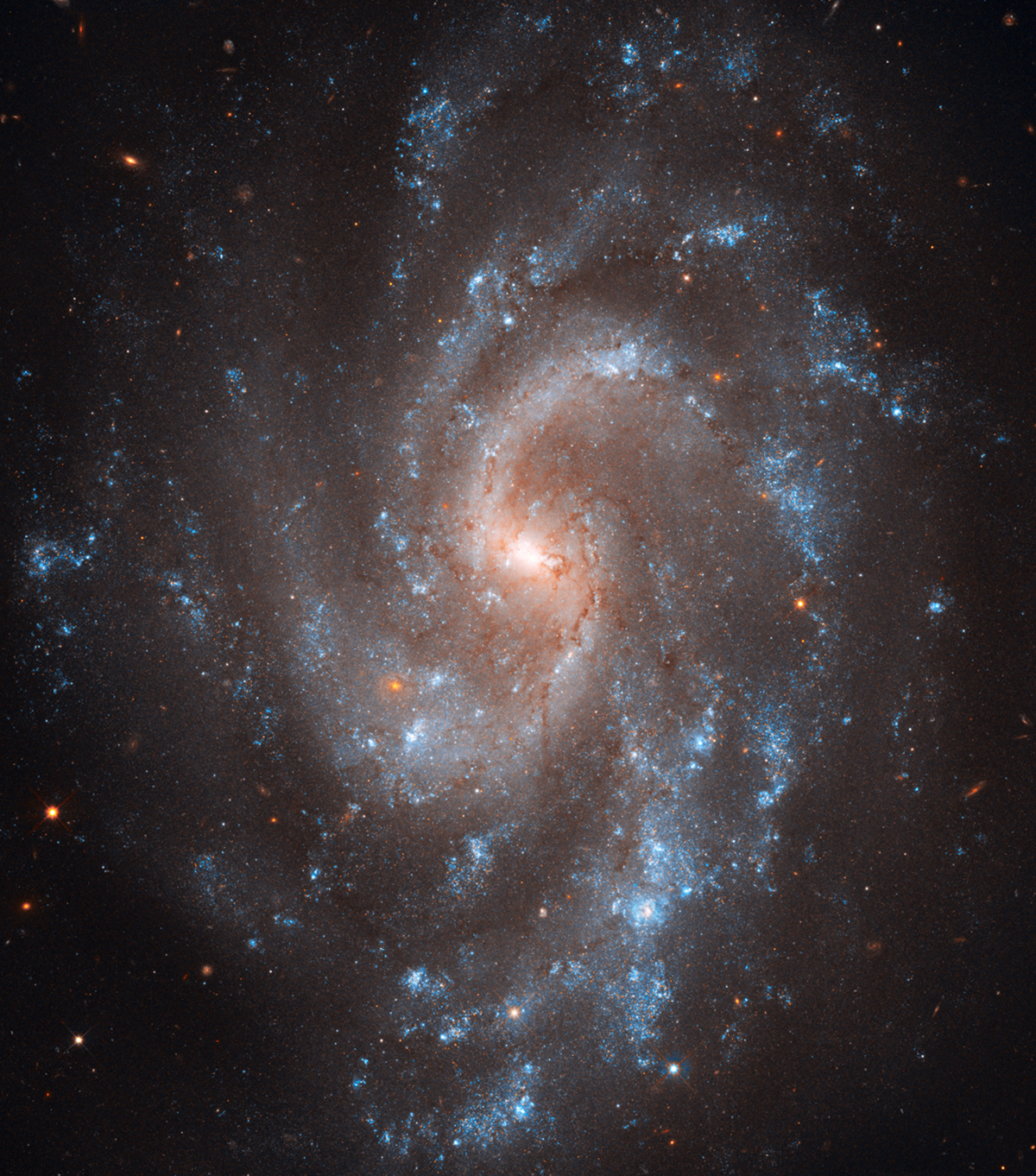
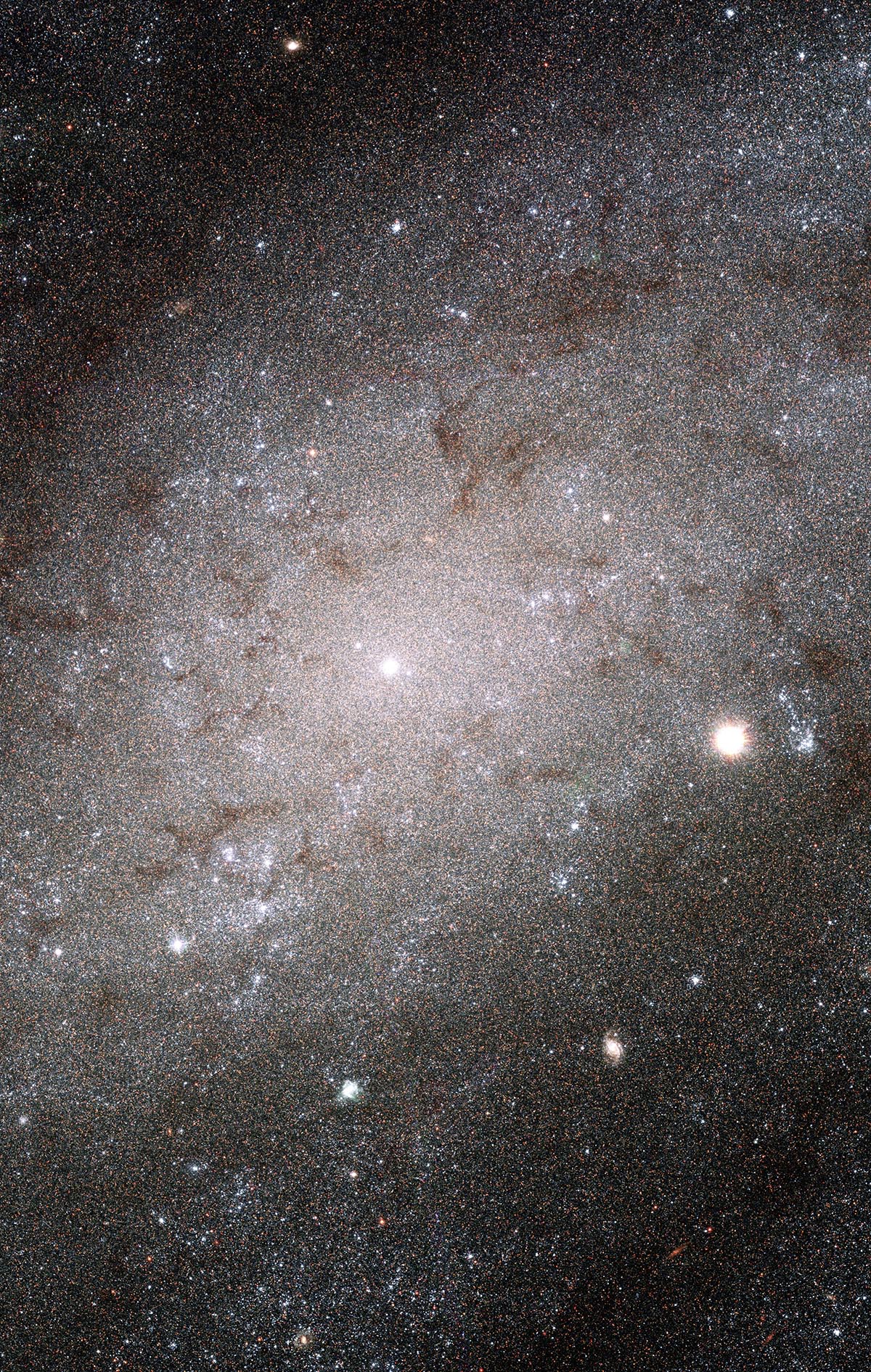
NGC 300 is a spiral galaxy similar to our own Milky Way galaxy. Some of the bright blue specks in this image are young, massive stars called blue supergiants, and they are among the brightest stars seen in spiral galaxies.
Scientific Significance
As a nearby resolved spiral, NGC 300 supports precise measurements of stellar populations, star-formation history, and radial chemical trends. These observations are used to test how disks grow and how star formation propagates through spiral patterns. The galaxy is also a reference for comparing Milky Way-like spirals in different environments.
Observation Details
Hubble imaging resolves individual stars, compact clusters, and nebular regions across the galaxy disk. Multi-filter photometry separates hot young stars from evolved red populations and supports spatially resolved stellar modeling. The dataset is frequently combined with H-alpha and radio gas maps for a full star-formation context.
Location in the Universe
Constellation
Sculptor
Distance from Earth
Approximately 6 million light-years
Fun Facts
- 1
NGC 300 has many giant star-forming complexes distributed along delicate spiral arms.
- 2
Blue supergiants in NGC 300 are useful tracers of very recent star formation.
- 3
Its low inclination gives a clear view of disk structure with minimal projection effects.
Image credit: NASA, ESA, Hubble Space Telescope