About This Image
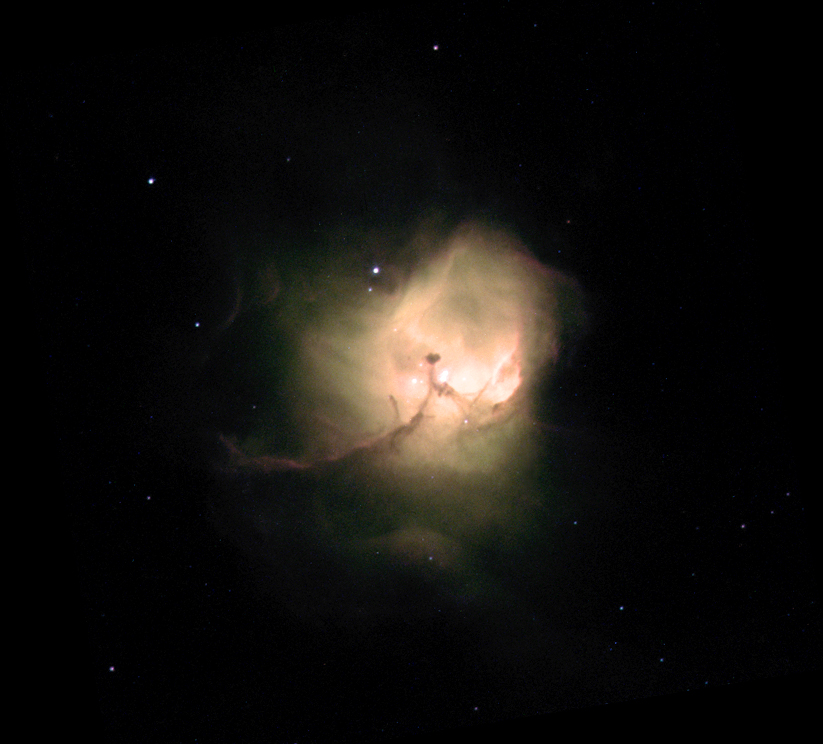
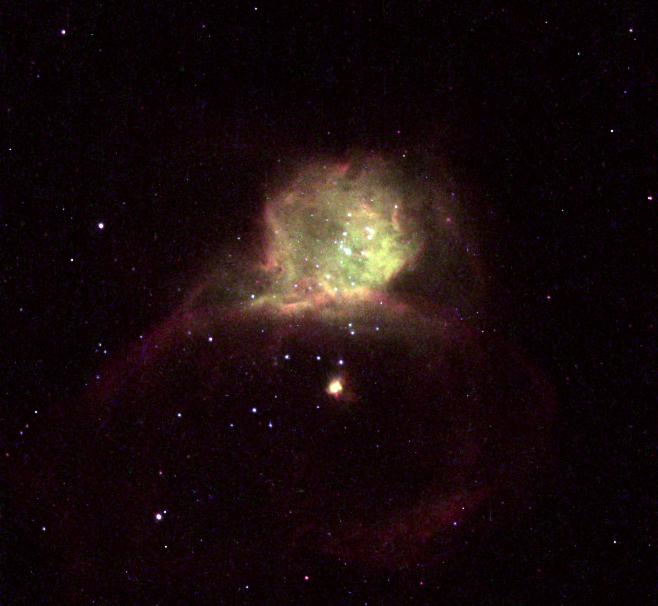
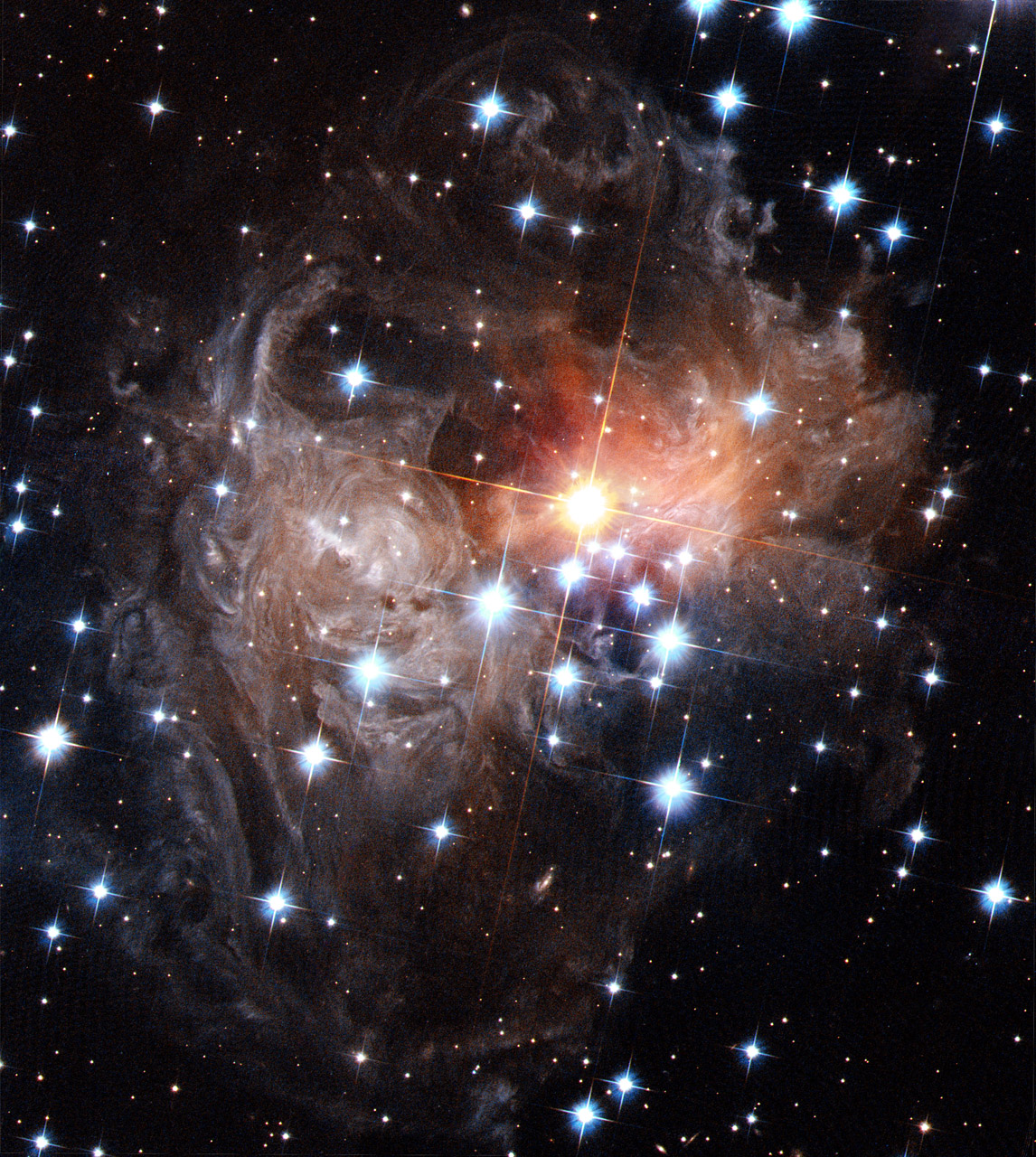
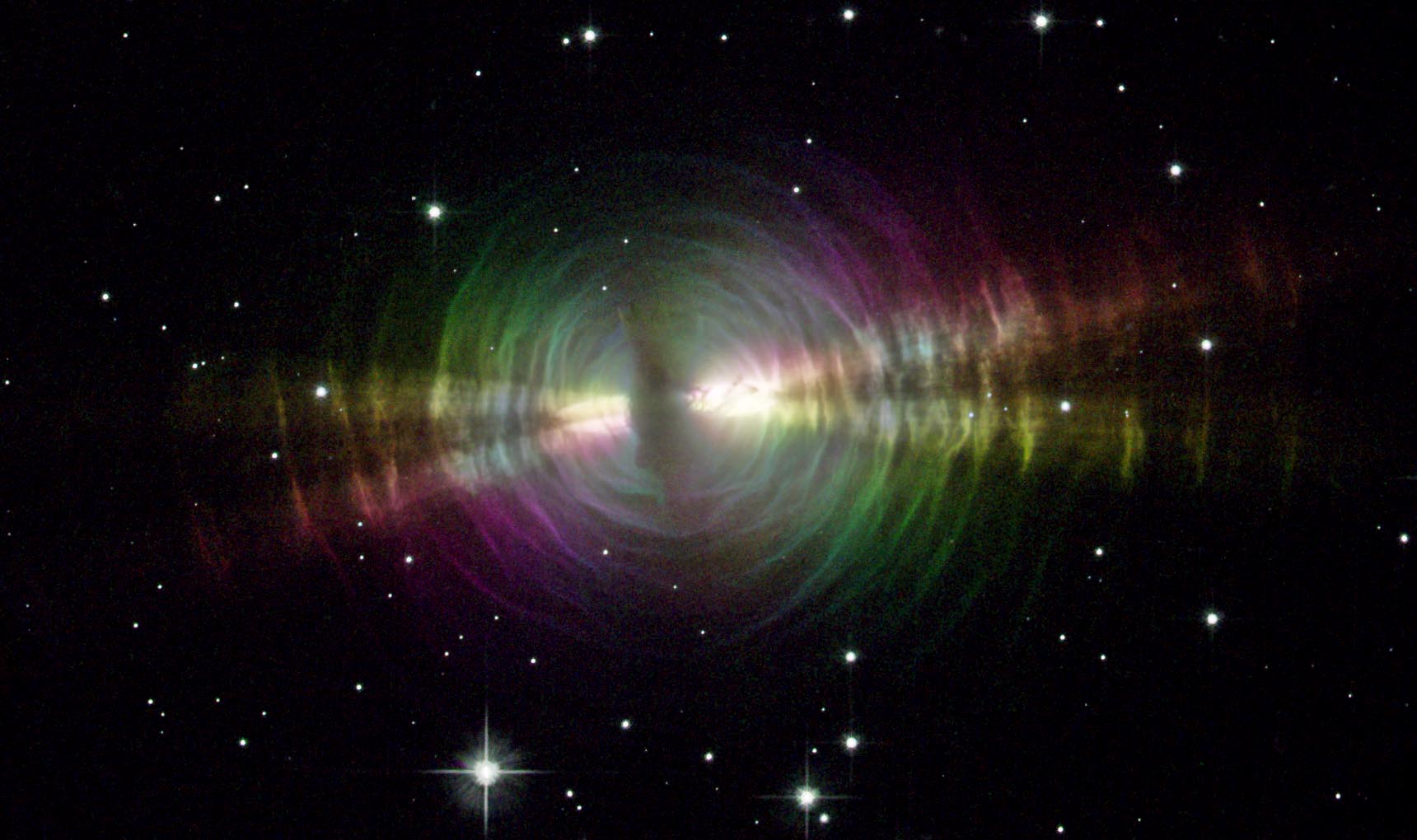
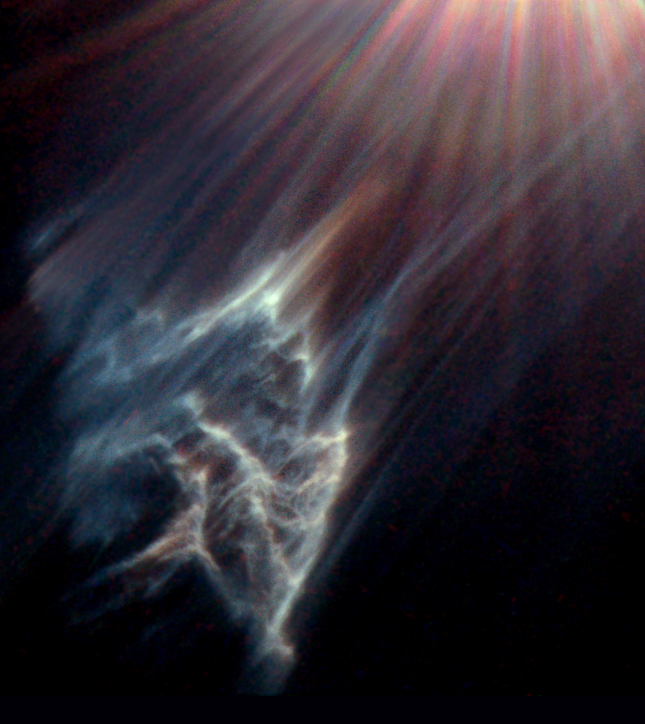
IC 349 is a reflection nebula in the Pleiades star cluster (often called the "Seven Sisters"). The eerie, wispy tendrils of an interstellar cloud are being destroyed by one of the brightest stars in the star cluster.
Scientific Significance
IC 349 is a compact laboratory for dust-scattering and dust-destruction physics in a strong radiation field. Its proximity in the Pleiades allows detailed mapping of filament morphology and grain-dependent color behavior, which constrain models of grain size distribution and albedo. The object also illustrates the transition between molecular cloud fragments and diffuse reflection features as stellar UV radiation reshapes local material. Understanding these processes improves interpretation of dust signatures in star-forming regions and integrated galaxy light where individual cloud structures cannot be resolved.
Observation Details
Hubble observed IC 349 in optical bands optimized for high-contrast imaging of faint dust structures near a bright illuminating star. Data reduction required careful subtraction of scattered light and instrumental artifacts to recover delicate filaments. The final images reveal rippled, wind-swept dust morphology consistent with ongoing erosion by radiation pressure and photoevaporation. Comparing brightness and color across the nebula provides constraints on dust grain properties and local column density variations. Hubble's stable point spread function is crucial for extracting these subtle features.
Location in the Universe
Constellation
Taurus
Distance from Earth
About 390 light-years
Fun Facts
- 1
IC 349 lies near the bright Pleiades star Merope, whose radiation illuminates and erodes nearby dust.
- 2
Reflection nebulae shine by scattered starlight, not by hot ionized gas emission as in classic H II regions.
- 3
The wispy structure changes over time as dust grains are pushed and photo-evaporated by stellar radiation.
Image credit: NASA, ESA, Hubble Space Telescope