About This Image
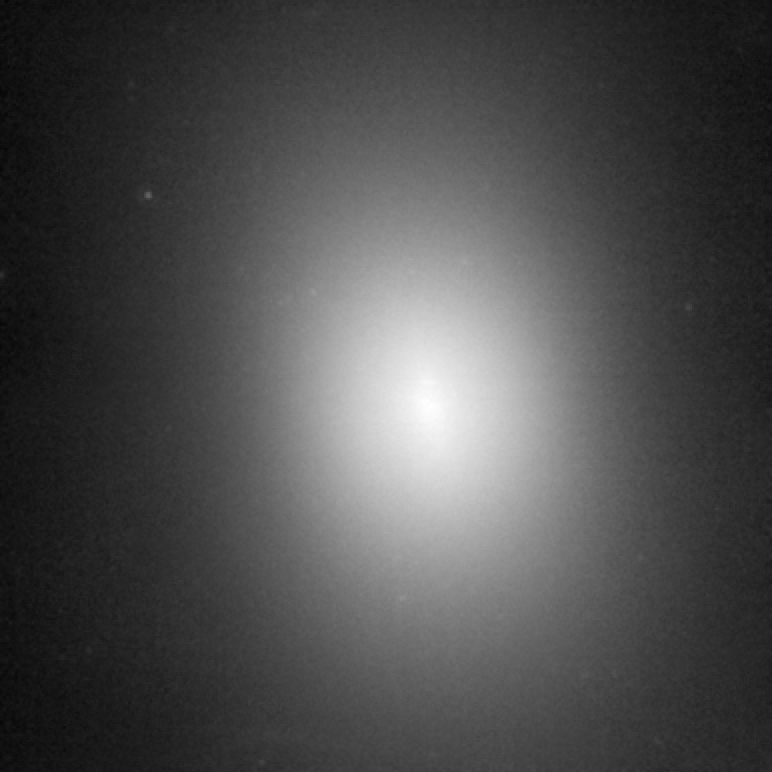
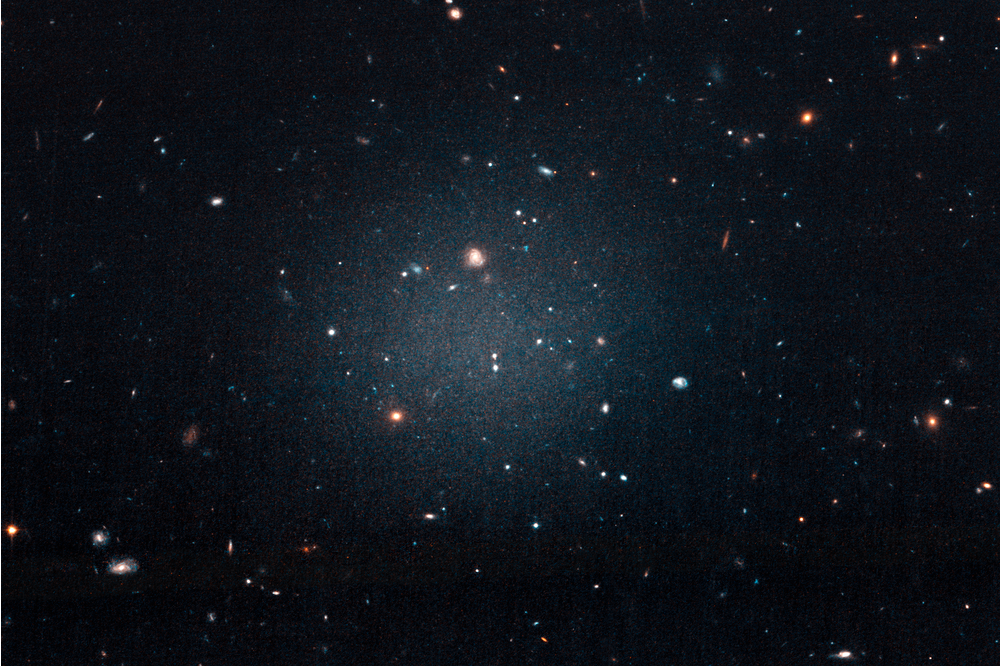
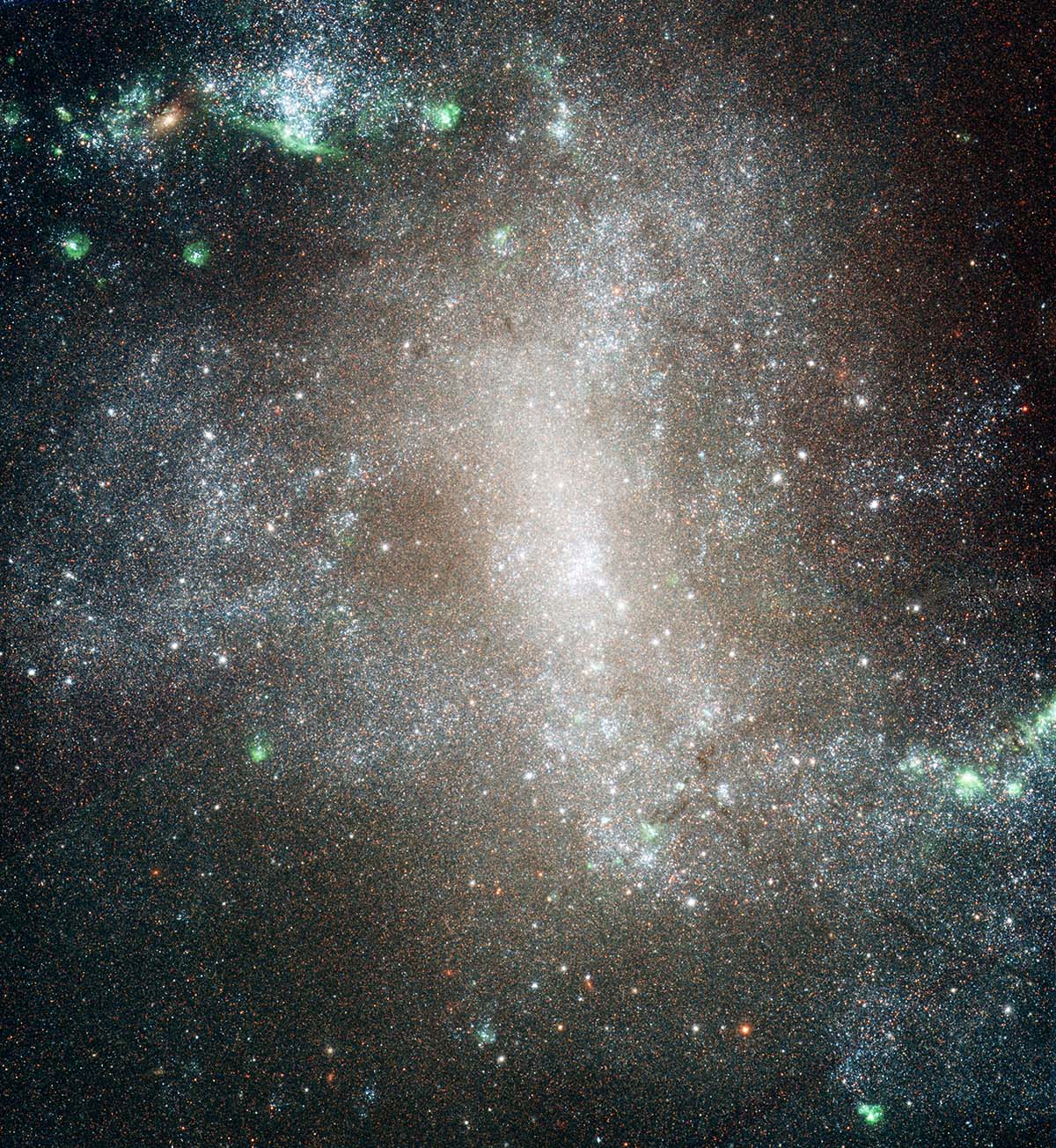
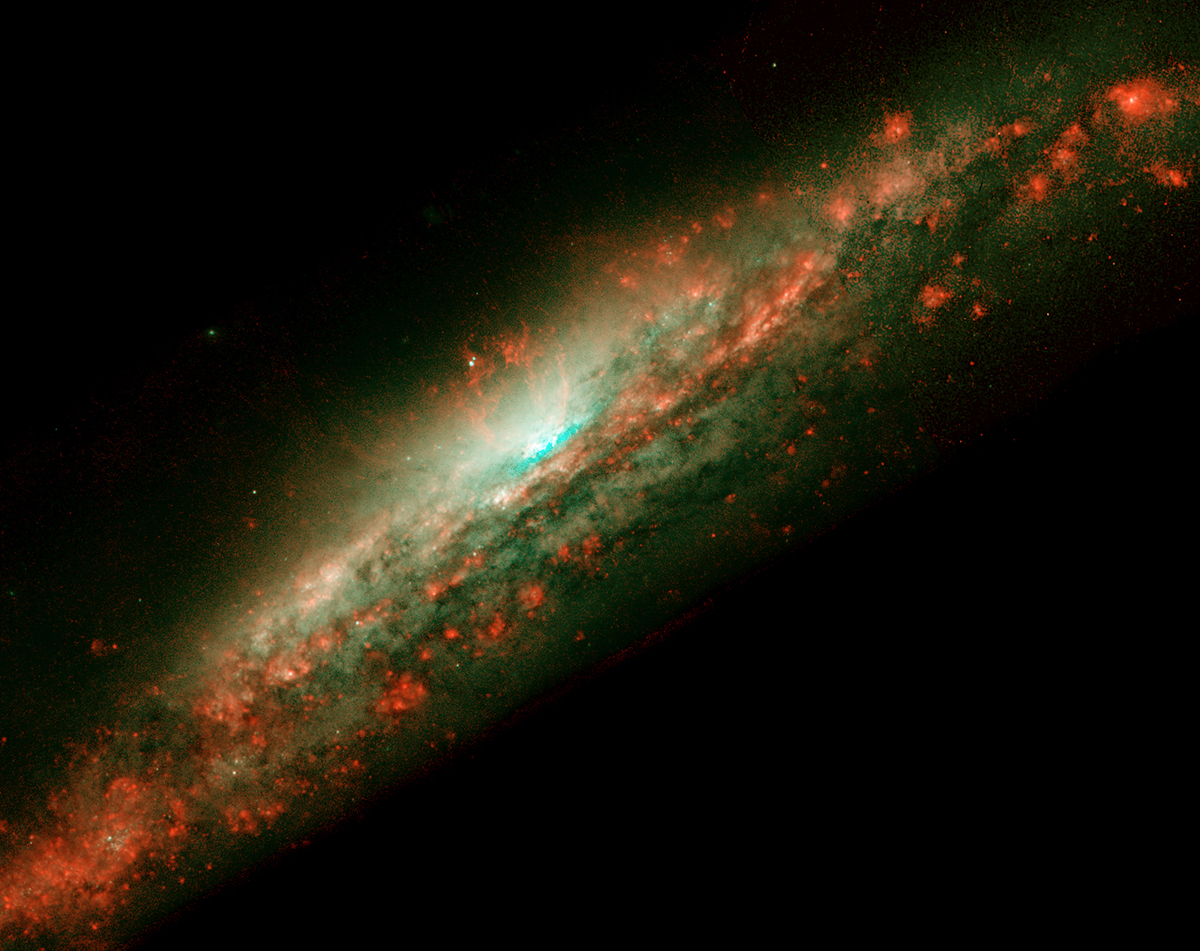
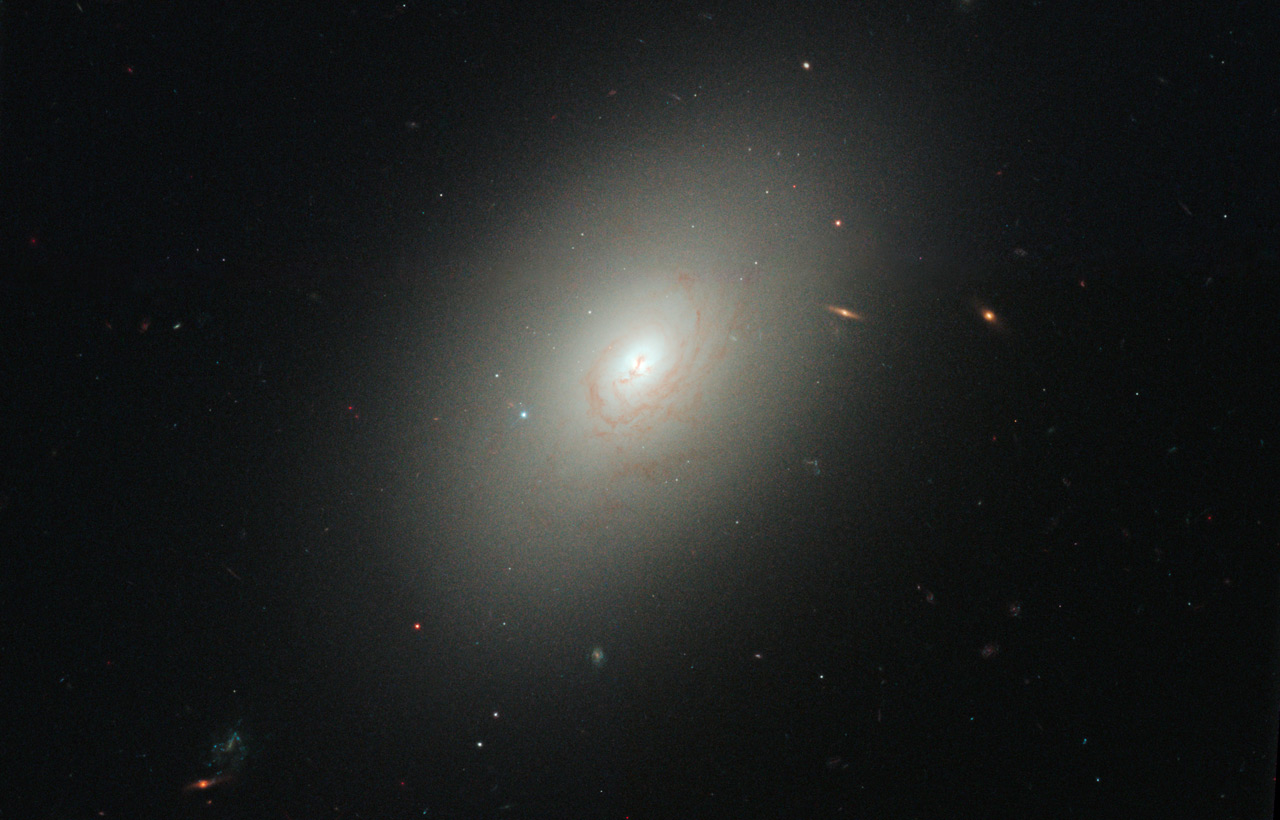
This remarkable image reveals NGC 4150, an ancient elliptical galaxy that defies conventional expectations by harboring signs of recent star formation deep within its core. Located approximately 44 million light-years away, this galaxy was long thought to be 'red and dead' — a stellar fossil containing only ancient, red-hued stars with no capacity for new stellar birth. However, Hubble's sharp vision uncovered streamers of dust and gas wrapped around the galaxy's center, along with tell-tale clumps of brilliant blue stars less than one billion years old. This discovery demonstrates that even seemingly quiescent elliptical galaxies can experience rejuvenation when they acquire fresh gas through minor mergers with smaller, gas-rich galaxies. The blue stellar populations in NGC 4150 represent just a small fraction of the galaxy's total stellar mass but provide compelling evidence for the ongoing assembly of massive galaxies through cosmic cannibalism.
Scientific Significance
NGC 4150 provides crucial evidence for the 'rejuvenation' of elliptical galaxies through minor mergers. Traditional models suggested that elliptical galaxies formed all their stars in a single ancient burst and then evolved passively, gradually reddening as their stars aged. The discovery of young stellar populations in NGC 4150's core demonstrates that gas-rich minor mergers can restart star formation even in galaxies that appeared to have exhausted their gas supply billions of years ago. The age of the young stars — between 300 million and 1 billion years — combined with the disturbed dust morphology suggests a merger occurred relatively recently in cosmic terms. Spectroscopic analysis of the young stellar population reveals enhanced nitrogen abundances, indicating the gas was enriched by the dwarf galaxy's own stellar evolution before being captured. NGC 4150 represents a critical link in understanding how massive galaxies continue to grow and evolve through hierarchical merging in the present-day universe.
Observation Details
Hubble observed NGC 4150 using the Wide Field Camera 3 (WFC3) in ultraviolet, visible, and near-infrared filters. Ultraviolet observations were crucial for detecting the young stellar populations, as hot blue stars emit most of their light at short wavelengths while contributing little to visible and infrared light where old red stars dominate. The combination of multiple filters enabled astronomers to map the spatial distribution of stellar populations with different ages and to trace the dust structures wrapping around the nuclear region. High-resolution imaging resolved individual star-forming regions and revealed the detailed morphology of the dust lanes.
Location in the Universe
Constellation
Coma Berenices
Distance from Earth
44 million light-years
Fun Facts
- 1
The young stars in NGC 4150's core are less than a billion years old, making them stellar infants compared to the galaxy's dominant population of 10-billion-year-old red giants.
- 2
The dust streamers in NGC 4150 are the undigested remains of a small dwarf galaxy that was consumed between 400 million and 1 billion years ago.
- 3
Despite its small size of only 6,000 light-years across — just 6% the diameter of the Milky Way — NGC 4150 contains billions of stars packed into its compact volume.
Image credit: NASA, ESA, Hubble Space Telescope