About This Image
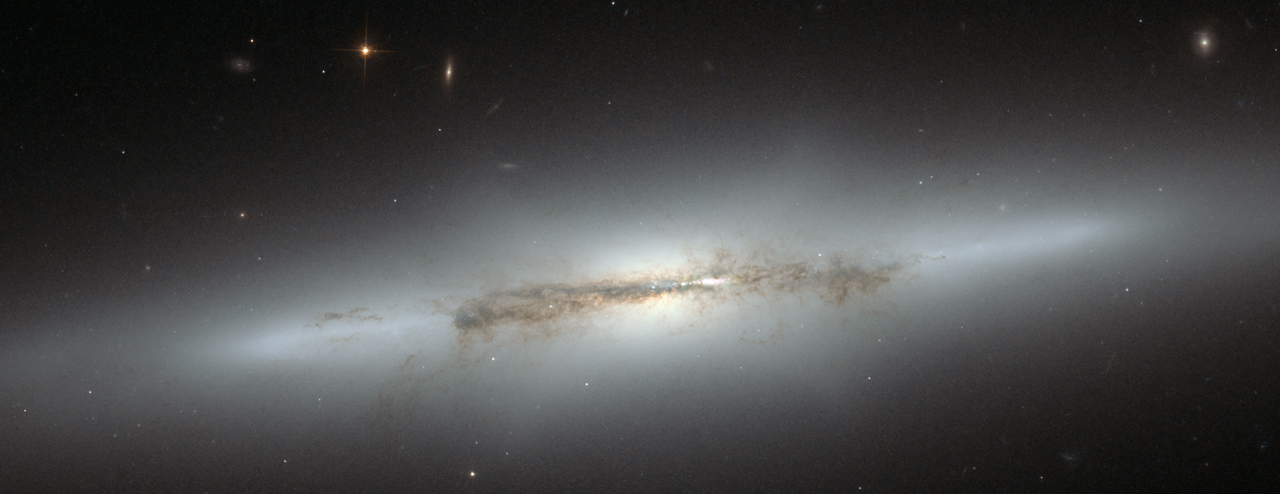
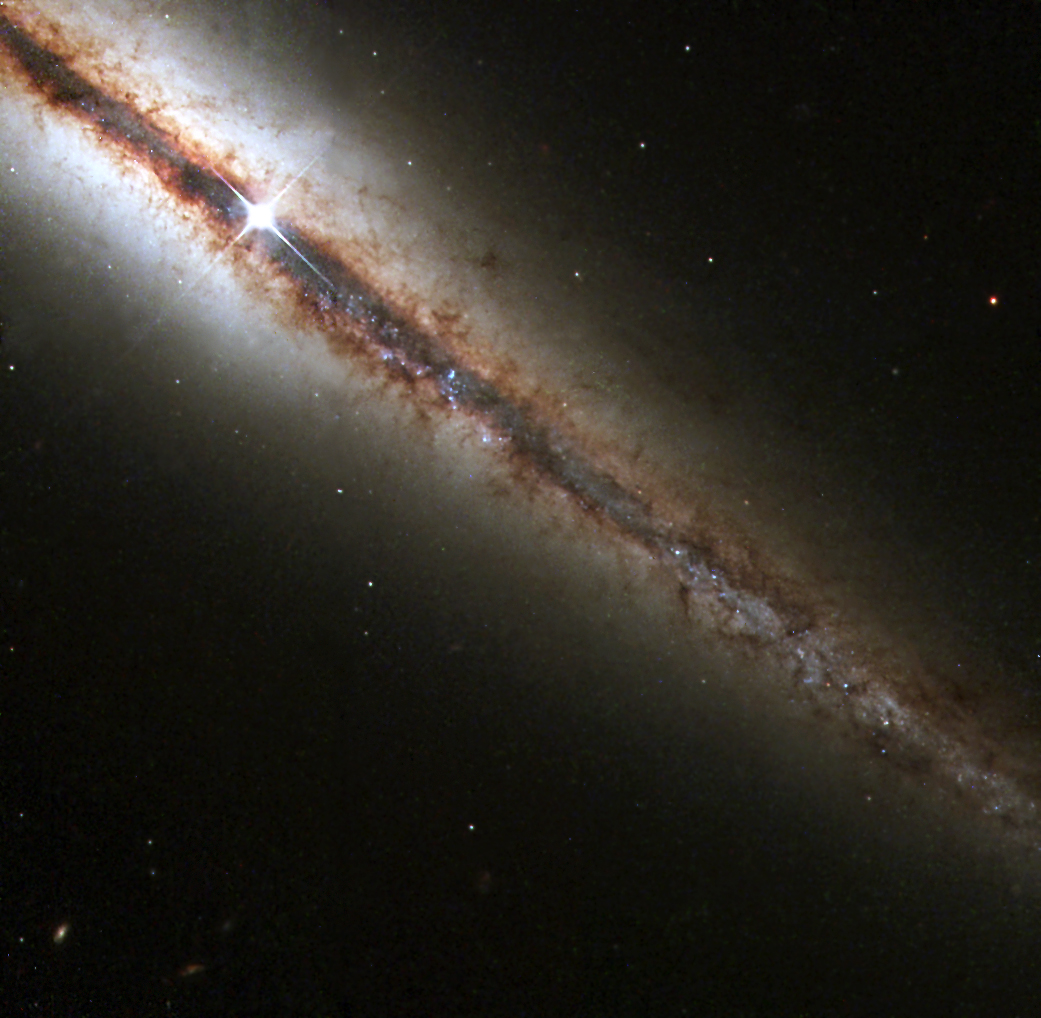
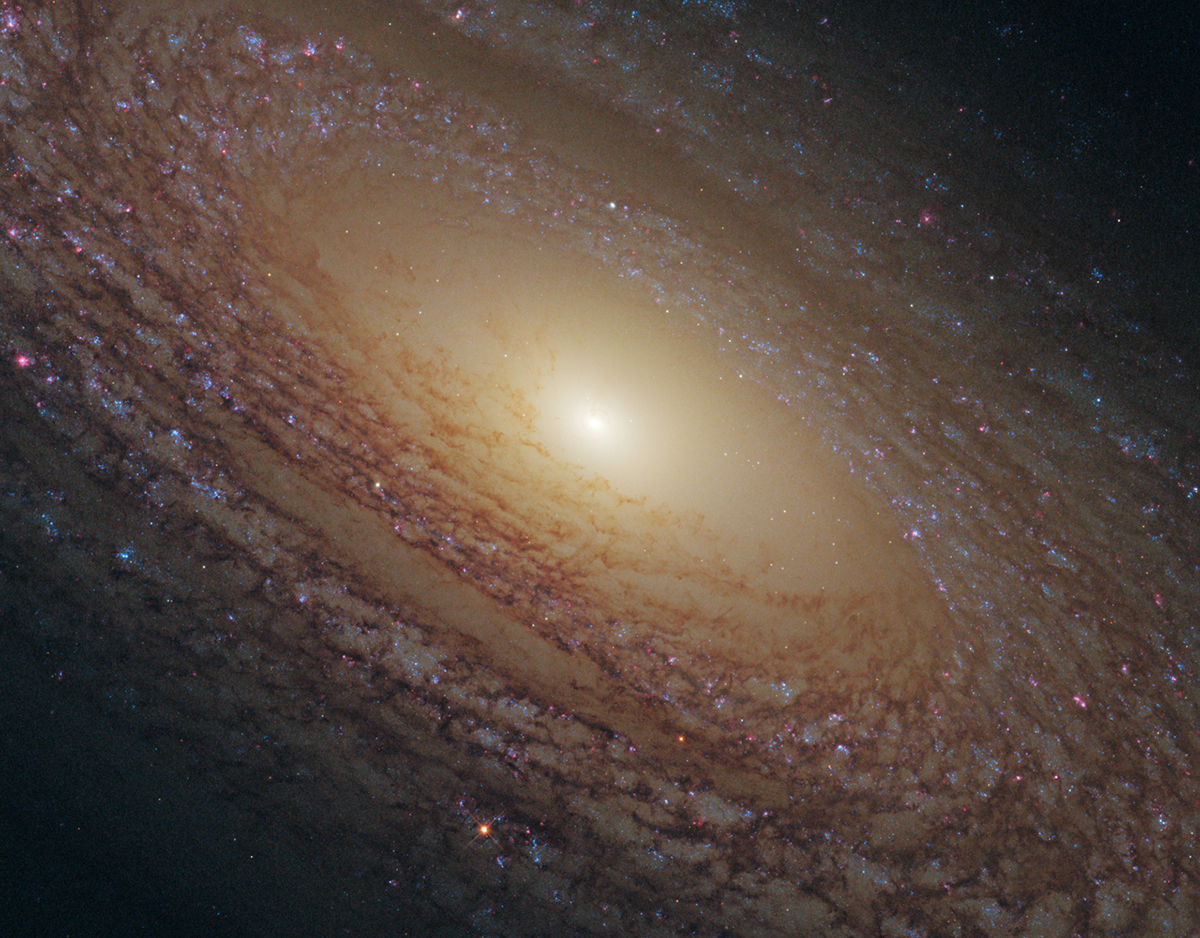
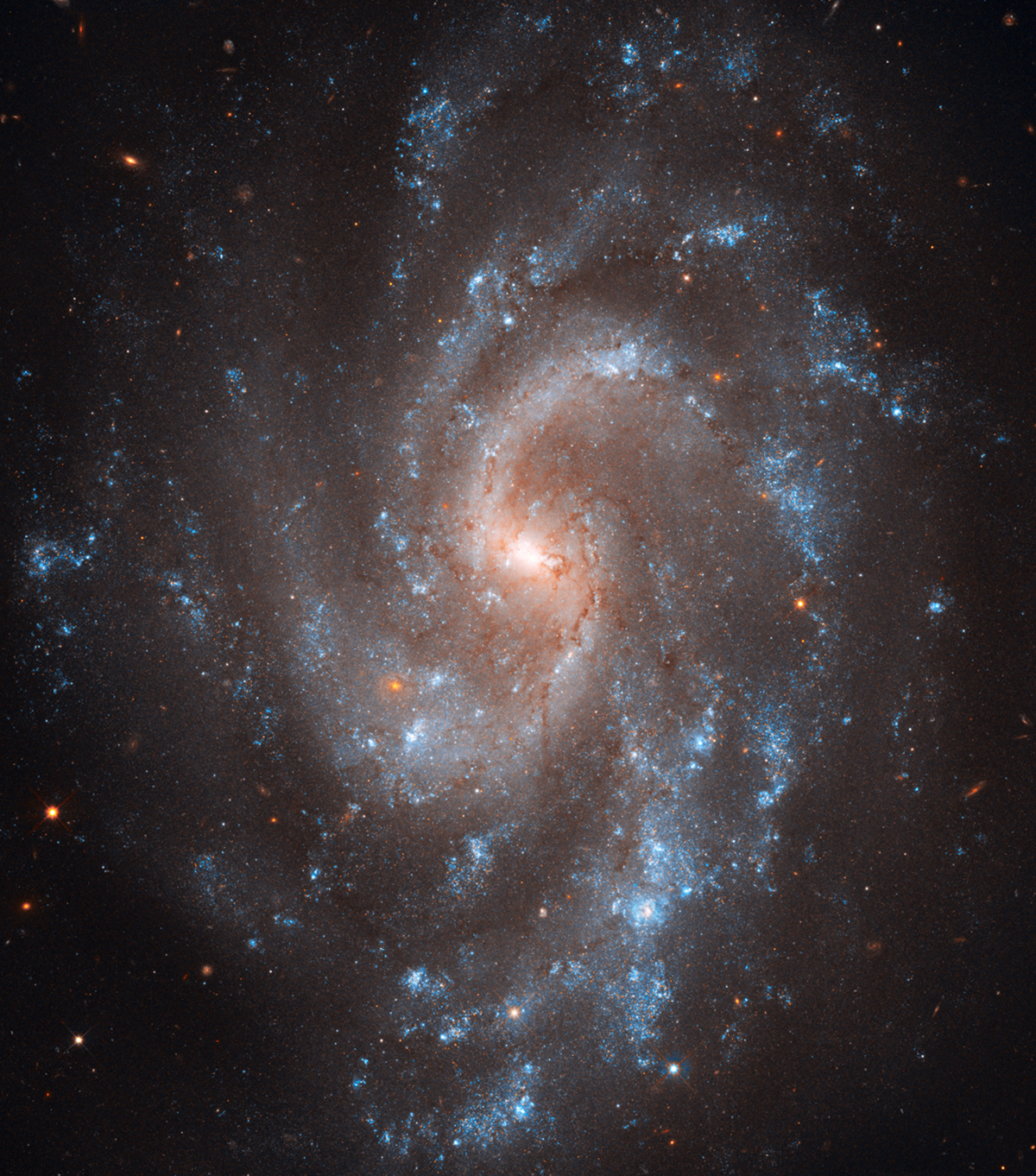
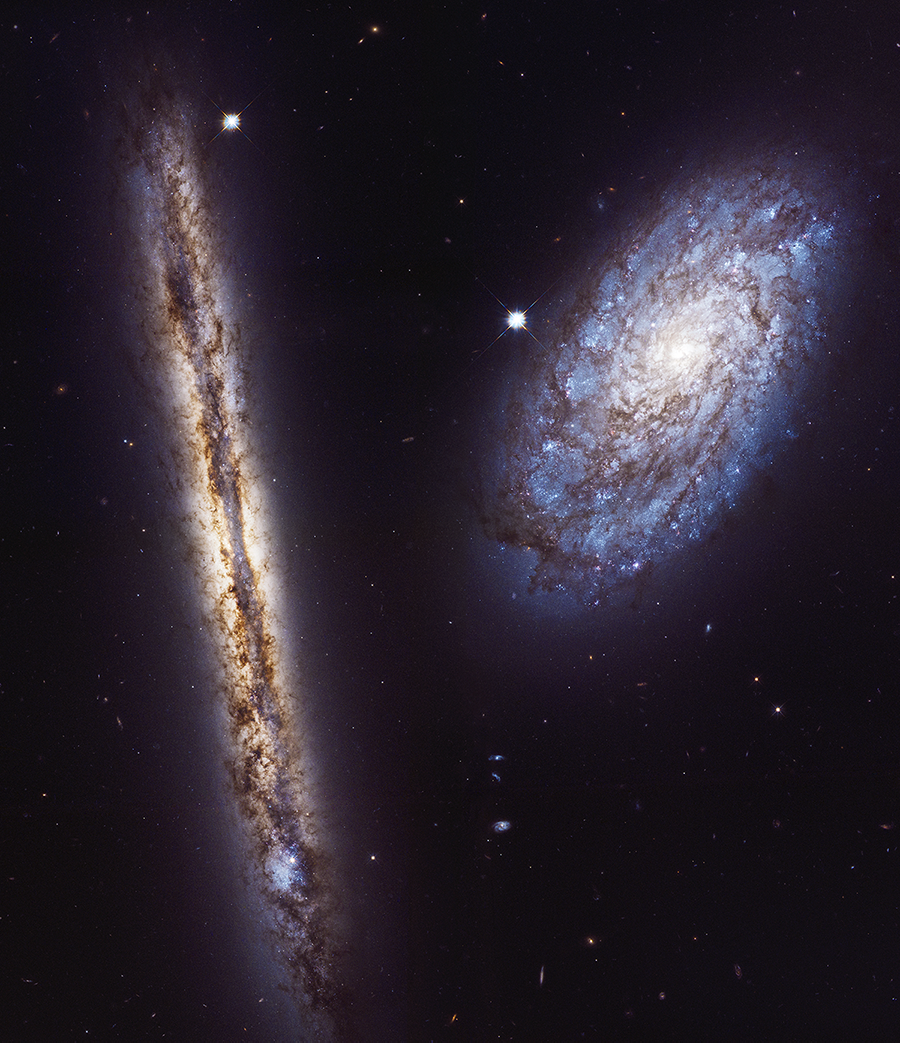
This captivating image captures a cosmic duo—two spiral galaxies that appear remarkably different despite their similar structure and proximity to each other. The striking contrast in their appearance is entirely due to our viewing angle from Earth. NGC 4302, the galaxy on the left, is seen edge-on, presenting a thin, elongated profile that reveals its disk structure and dust lanes slicing through its center. In contrast, NGC 4298 is tilted at an angle that allows us to appreciate its graceful spiral arms, bright core, and intricate structure. This pair demonstrates how perspective dramatically affects our perception of galaxies, offering astronomers a unique opportunity to study spiral galaxy anatomy from complementary viewpoints within the same cosmic neighborhood.
Scientific Significance
This galaxy pair provides an invaluable natural experiment for understanding spiral galaxy structure. Because both galaxies reside at essentially the same distance from Earth and share similar physical properties, the dramatic visual difference between them is purely a geometric effect of our viewing angle. NGC 4302's edge-on orientation reveals the vertical structure of spiral galaxies — the thin stellar disk, the central dust lane, and the faint stellar halo extending above and below the plane. Meanwhile, NGC 4298's inclined view showcases the planar structure — spiral arm patterns, star-forming regions, and the distribution of gas and dust across the disk. Together they provide complementary three-dimensional information about spiral galaxy architecture that neither galaxy alone could offer. This pair also helps astronomers calibrate models that predict how galaxies appear at different orientations.
Observation Details
This anniversary image was captured using Hubble's Wide Field Camera 3 (WFC3) in both visible and near-infrared light. Multiple filters were combined to create a natural-color composite that highlights the contrasting features of both galaxies. The deep exposure reveals fine details including individual star-forming regions in NGC 4298's spiral arms and the intricate dust lane structure bisecting NGC 4302. The image spans approximately 160,000 light-years across, encompassing both galaxies and showing their physical proximity within the Virgo Cluster environment.
Location in the Universe
Constellation
Coma Berenices
Distance from Earth
55 million light-years
Fun Facts
- 1
This image was released to celebrate Hubble's 27th anniversary in orbit — NASA traditionally marks each Hubble anniversary with a spectacular new image release.
- 2
NGC 4302 and NGC 4298 are both members of the Virgo Cluster, the nearest large galaxy cluster to Earth containing over 2,000 galaxies.
- 3
If you could view NGC 4302 face-on instead of edge-on, it would look remarkably similar to its companion NGC 4298, demonstrating how viewing angle alone can make identical objects look completely different.
Image credit: NASA, ESA, Hubble Space Telescope