About This Image
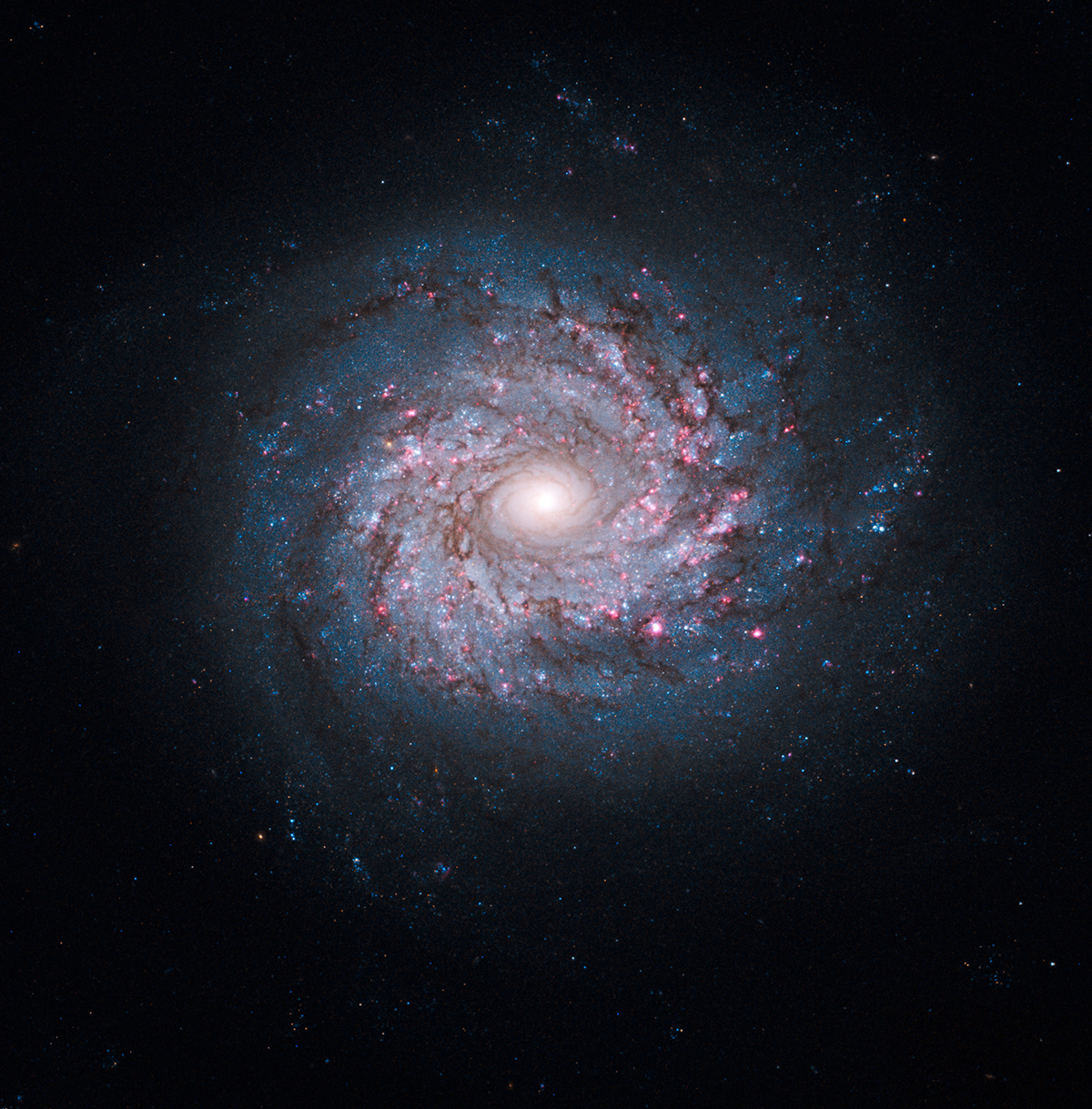
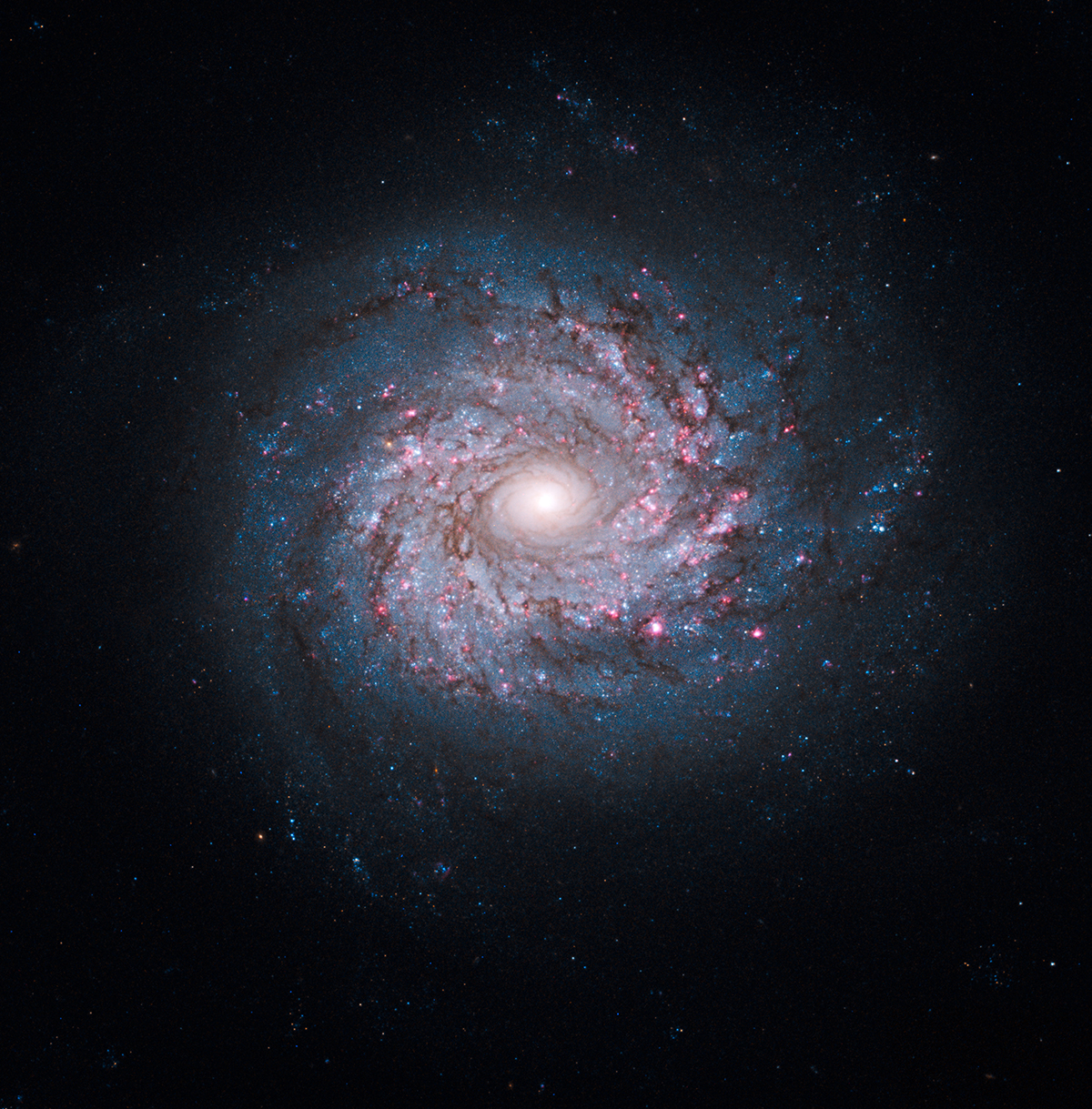
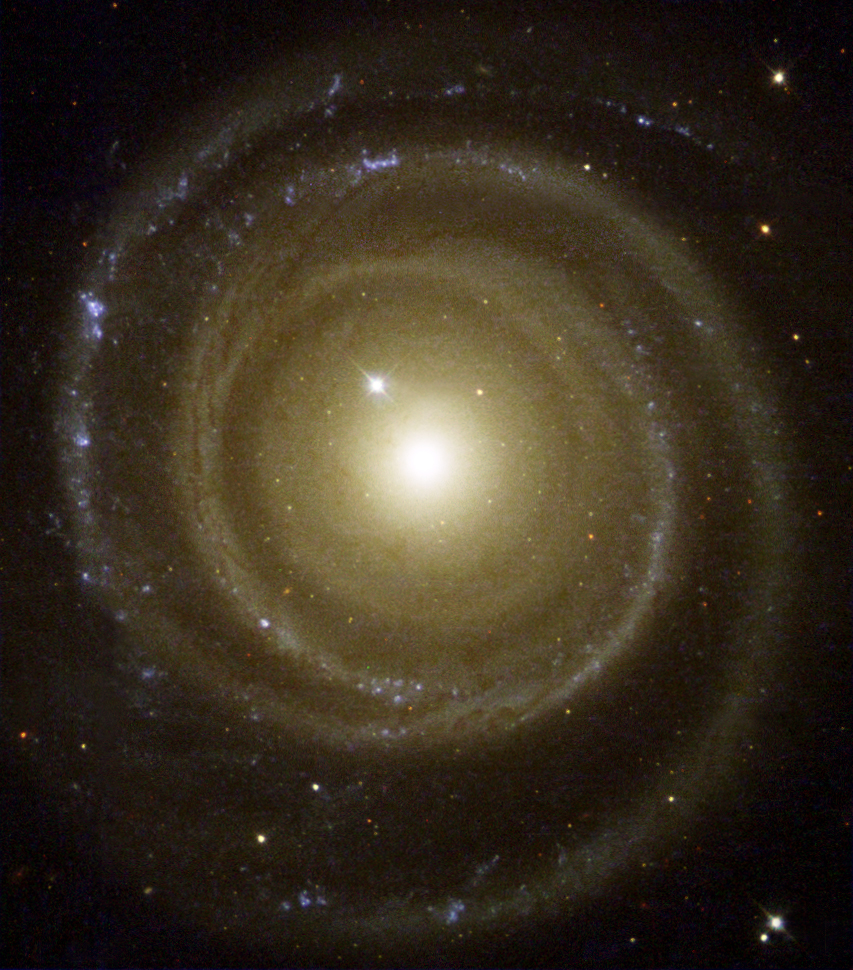
NGC 4622 is a remarkable spiral galaxy located approximately 111 million light-years away in the constellation Centaurus. What makes this galaxy extraordinary is its apparent backward rotation — its spiral arms trail in the opposite direction to what is normally expected. In most spiral galaxies, the arms trail behind the direction of rotation, but NGC 4622's outer arms appear to lead, spinning in front of the galaxy's rotation. This highly unusual configuration challenges conventional models of spiral arm formation and suggests a complex dynamical history, possibly involving a past collision or merger with a smaller companion galaxy that reversed the winding direction of its spiral structure.
Scientific Significance
NGC 4622 poses a fundamental challenge to the density wave theory of spiral arm formation, which predicts that spiral arms should invariably trail behind the direction of galactic rotation. The discovery that NGC 4622's outer arms lead rather than trail prompted a re-examination of the mechanisms that can generate and sustain spiral structure in disk galaxies. Detailed analysis of Hubble images revealed that the galaxy actually possesses two sets of spiral arms — an inner pair that trails normally and an outer pair that leads — suggesting a complex superposition of spiral patterns. This dual-arm configuration is best explained by a gravitational interaction or minor merger event that excited a leading wave mode in the outer disk while preserving the trailing pattern in the inner regions. NGC 4622 has become a key test case for numerical simulations of spiral arm dynamics.
Observation Details
Hubble observed NGC 4622 using the Wide Field Planetary Camera 2 (WFPC2) in multiple broadband filters spanning ultraviolet through red wavelengths. The high-resolution imaging was essential for resolving the galaxy's spiral arm structure in sufficient detail to determine the geometric orientation of the disk — specifically, which side is nearer to the observer. By analyzing the asymmetry of dust lanes and the distribution of blue star-forming regions, astronomers established the three-dimensional orientation of the galaxy, which was the crucial step in confirming that its outer arms truly lead rather than trail.
Location in the Universe
Constellation
Centaurus
Distance from Earth
111 million light-years
Fun Facts
- 1
NGC 4622 is one of very few known galaxies with leading spiral arms — arms that point in the direction of rotation rather than trailing behind — making it a genuine cosmic oddity among the billions of galaxies observed.
- 2
Astronomers determined the rotation direction of NGC 4622 by measuring which side of the galaxy is closer to us using dust lane asymmetries, then comparing this with the velocity field from spectroscopic data.
- 3
The leading arms of NGC 4622 may have been created when a smaller companion galaxy plunged through its disk, gravitationally reshaping the spiral pattern and creating the backward-winding arm structure we see today.
Image credit: NASA, ESA, Hubble Space Telescope