About This Image
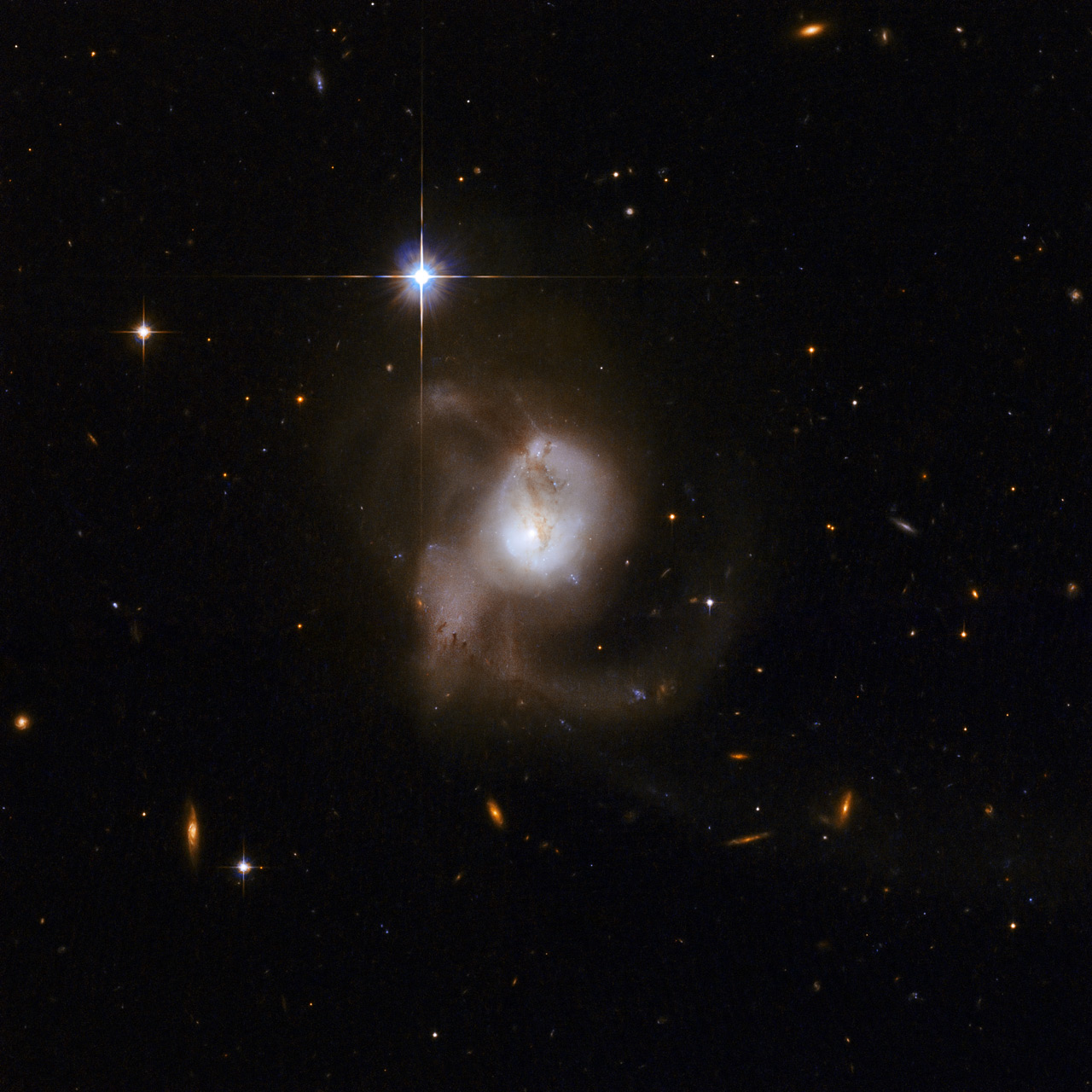
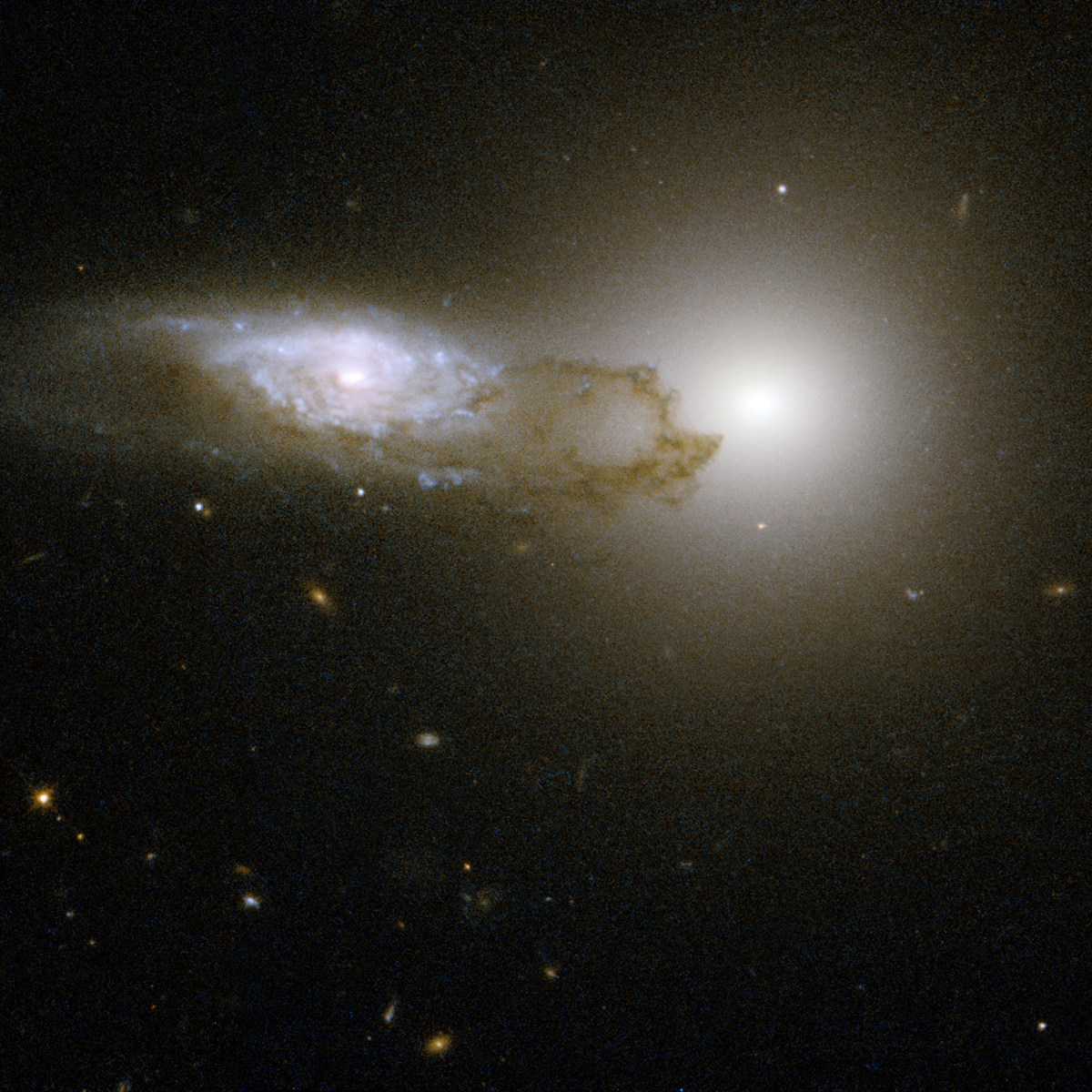
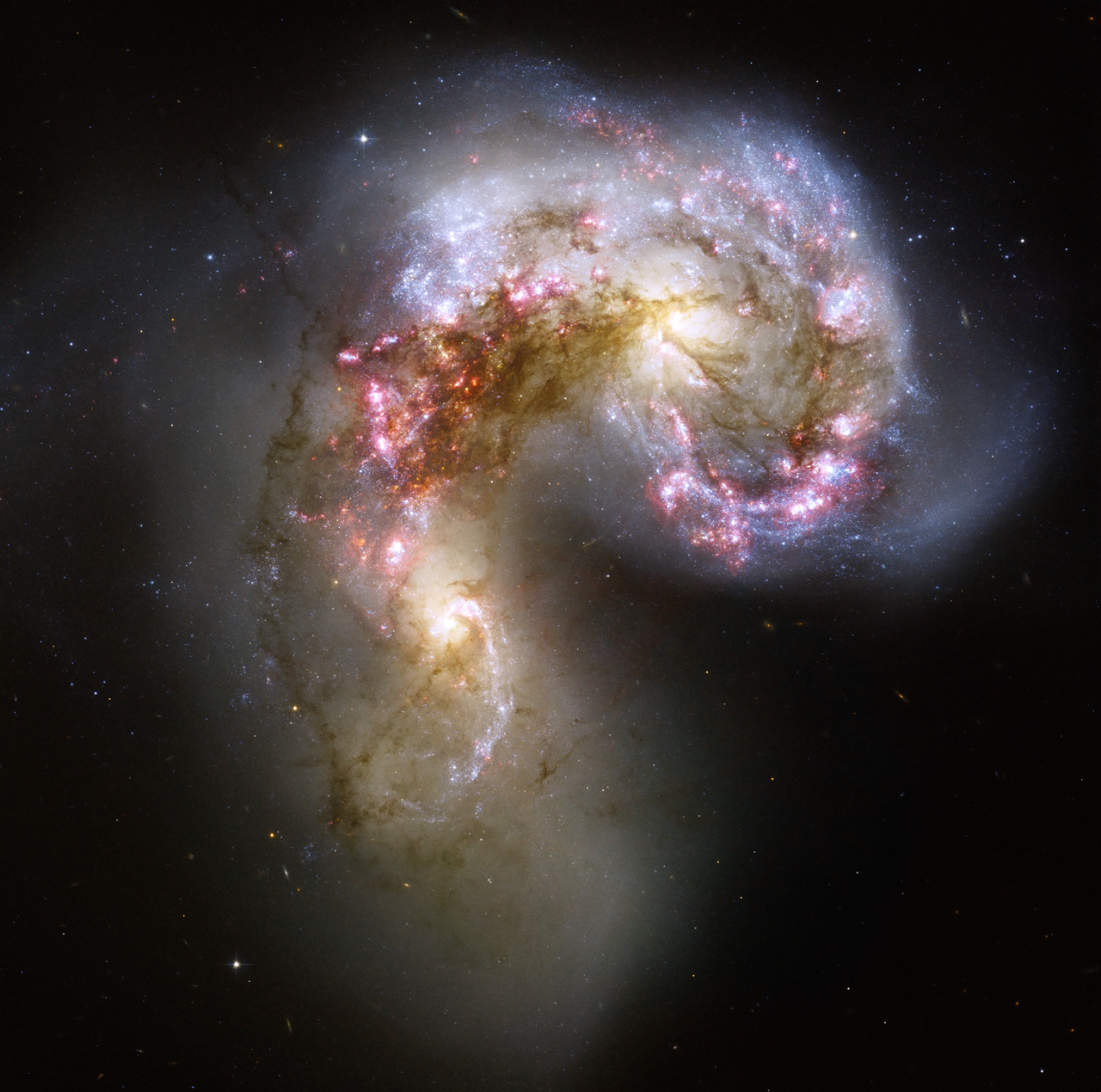
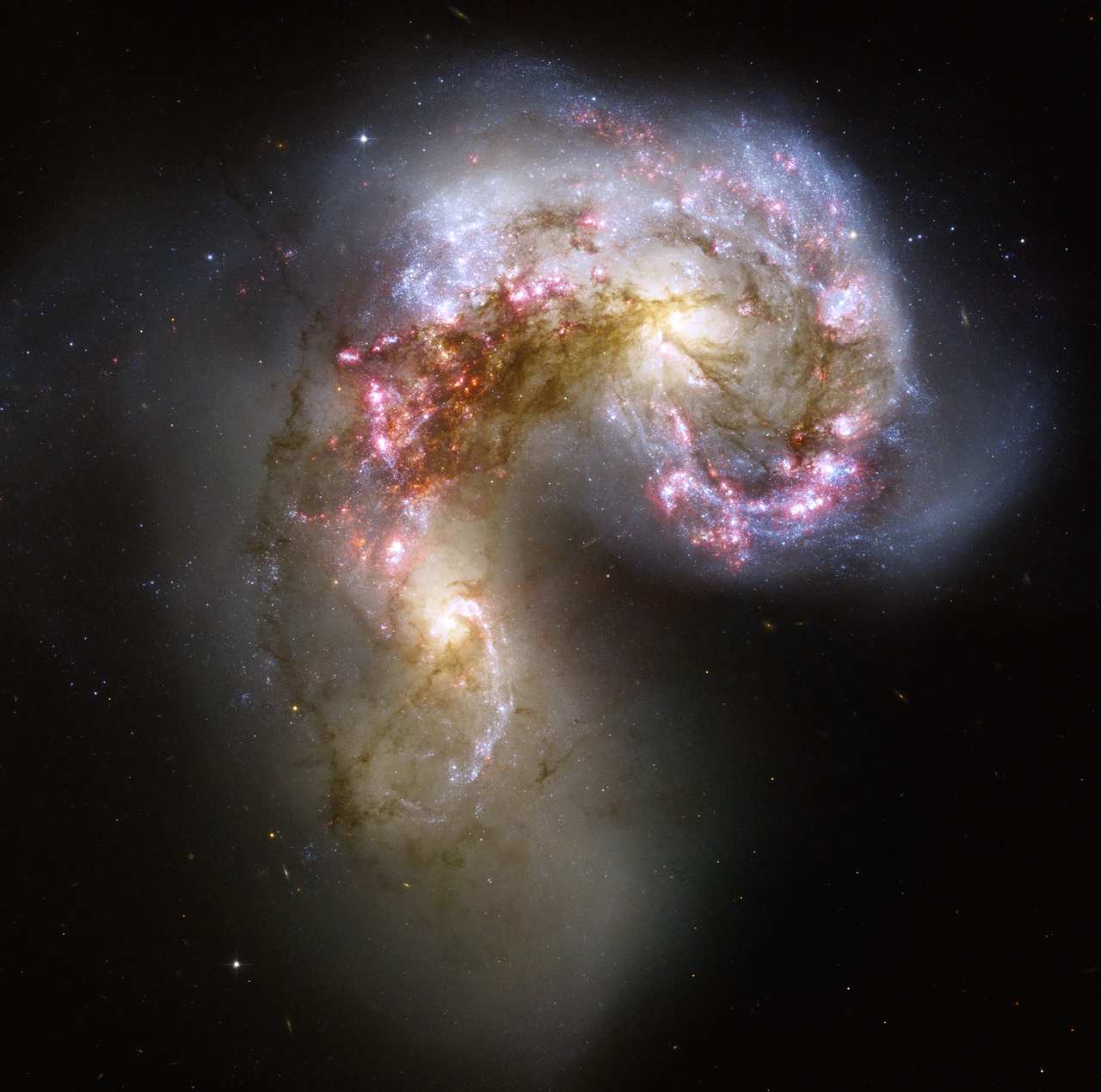
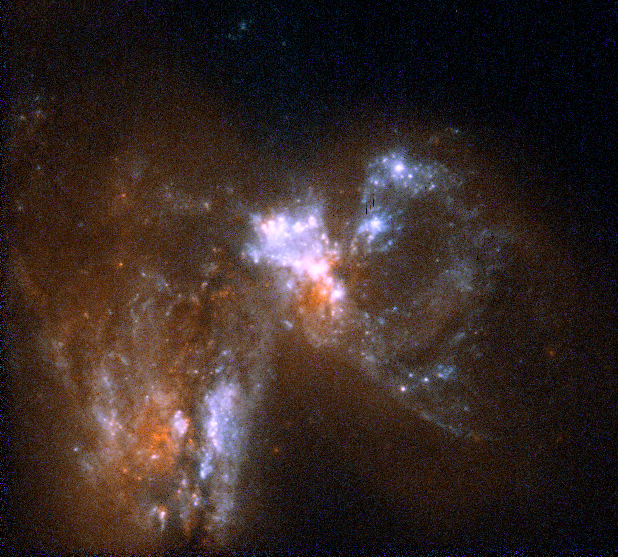
This image shows a cosmic collision between two galaxies, UGC 06471 and UGC 06472. The colliding galaxies are 145 million light-years from Earth. Such collisions distort the shapes of the galaxies as they merge and eventually form a larger galaxy.
Scientific Significance
Interacting pairs reveal how galaxy morphology and star formation change during mergers. Tidal torques can funnel gas inward, ignite starbursts, and eventually feed central black holes. Studying systems like UGC 06471/06472 helps define the sequence from first encounter to remnant, including the timescales for structural transformation.
Observation Details
Hubble captured the pair in multiple optical bands to trace dust lanes, tidal features, and bright young clusters. High-resolution imaging isolates compact star-forming knots that are blurred in lower-resolution surveys. The morphology can be compared with merger simulations to estimate interaction stage and orbit geometry.
Location in the Universe
Constellation
Unknown
Distance from Earth
145 million light-years
Fun Facts
- 1
The pair UGC 06471 and UGC 06472 is caught during an active gravitational interaction.
- 2
Tidal forces stretch disks and can trigger waves of star formation before final coalescence.
- 3
Many present-day elliptical galaxies likely formed through repeated mergers like this.
Image credit: NASA, ESA, Hubble Space Telescope