About This Image
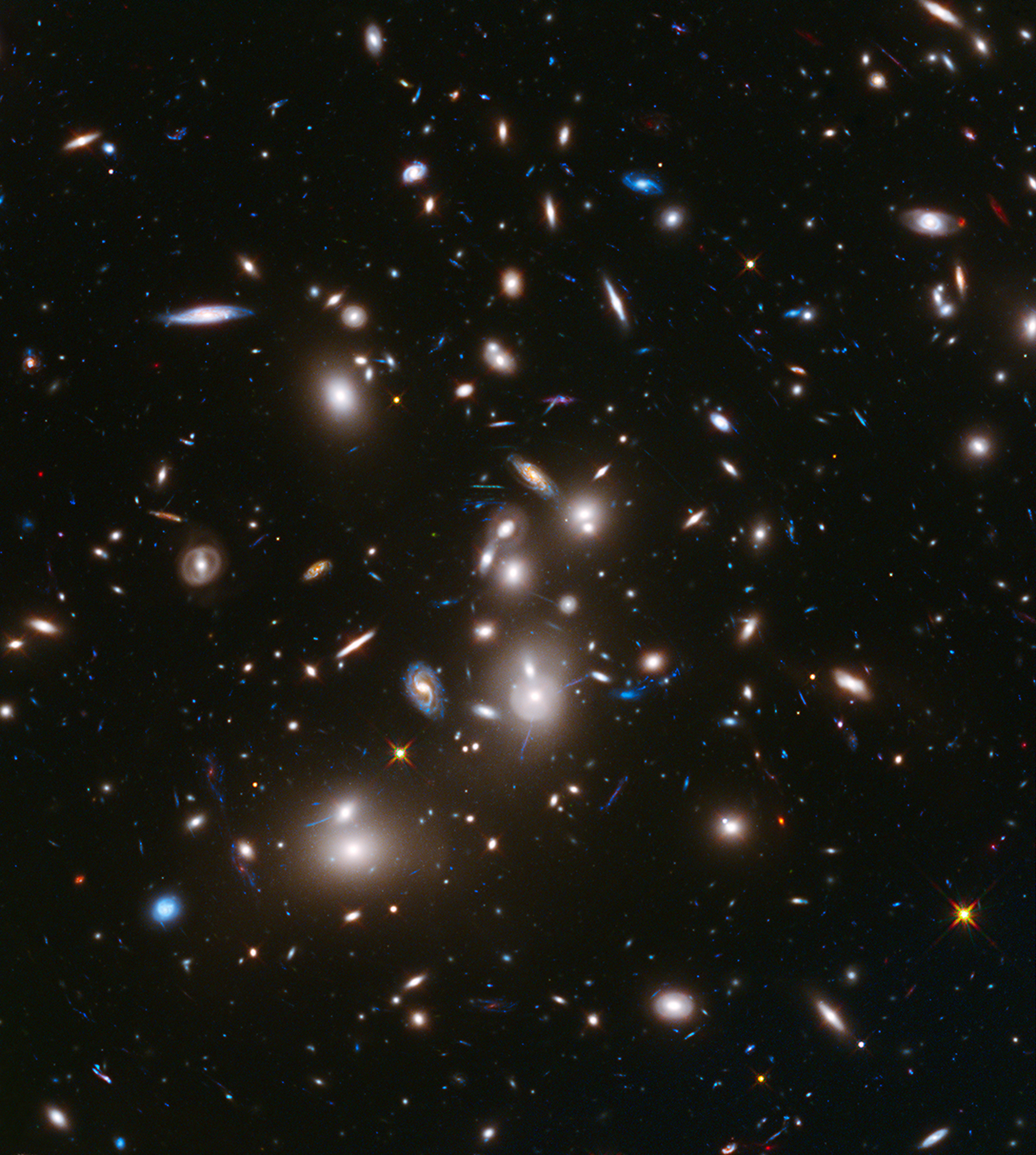
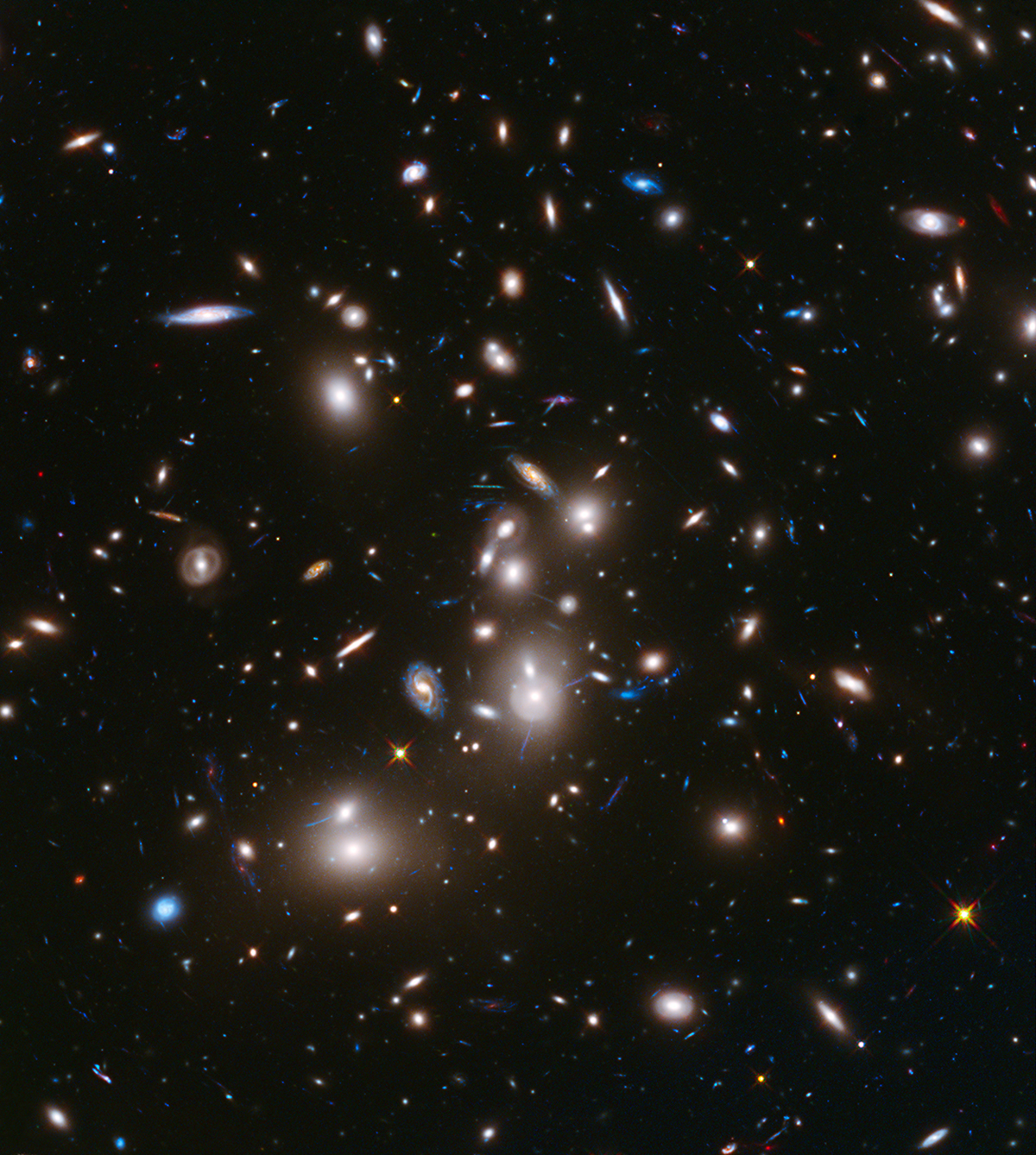
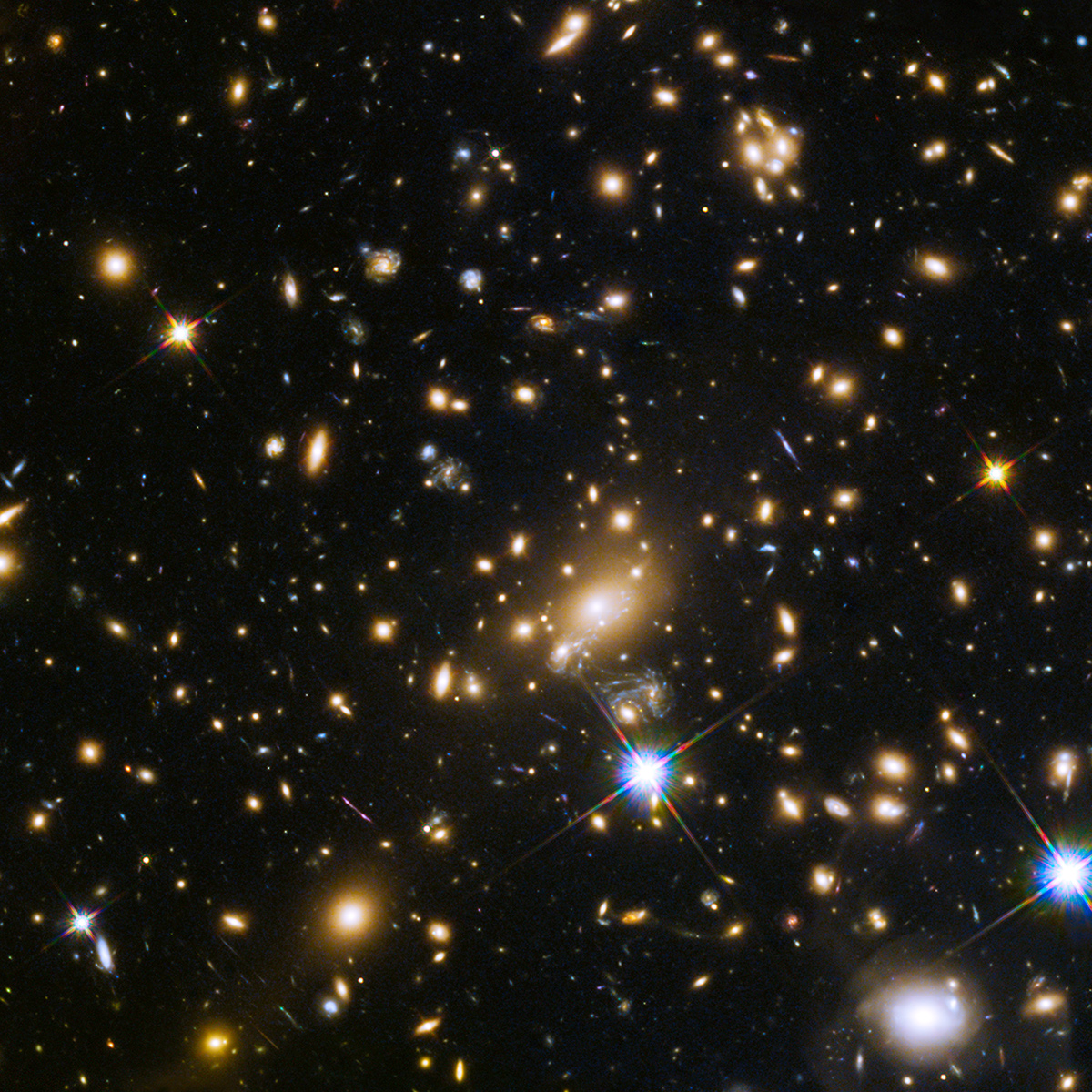
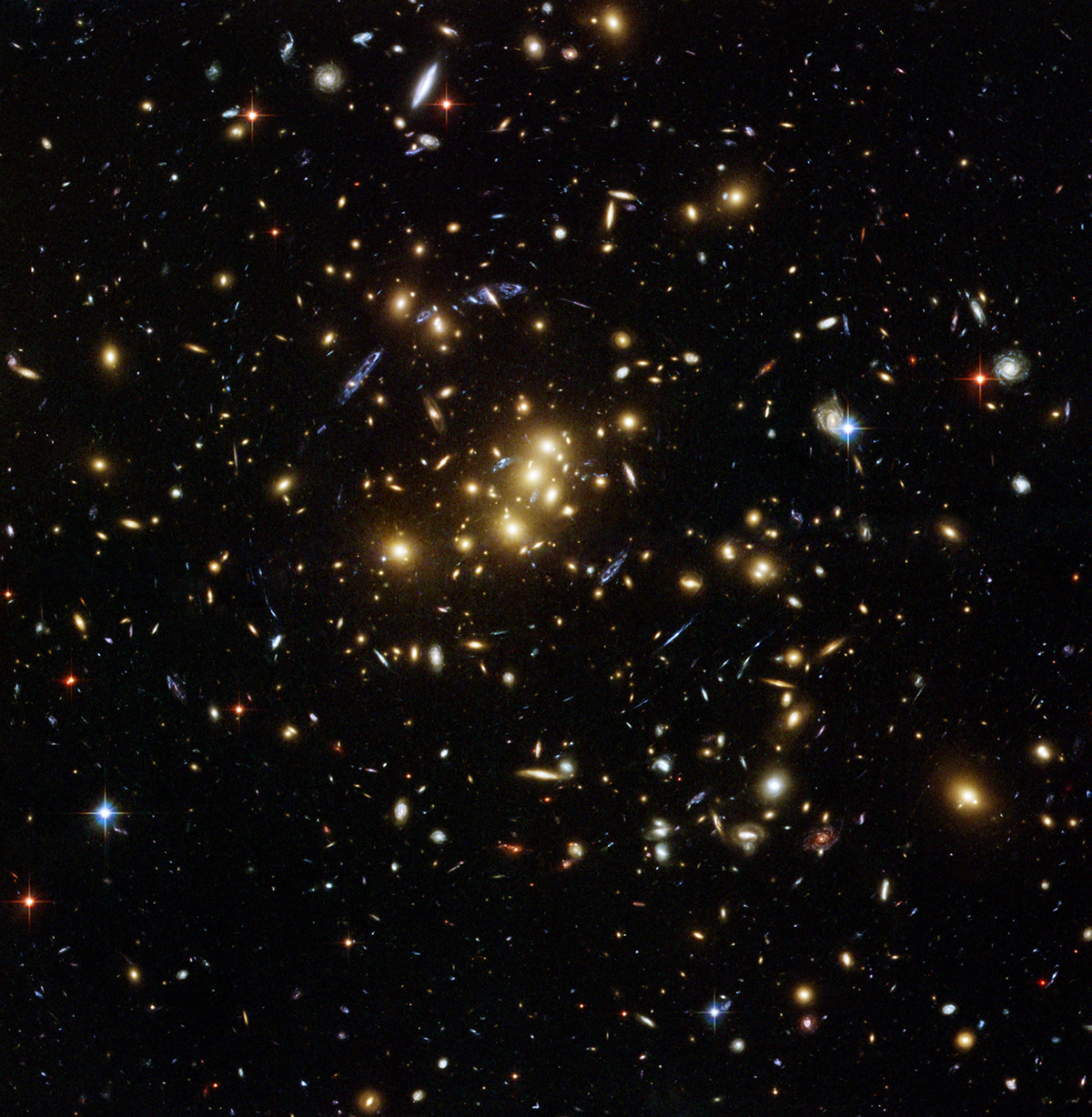
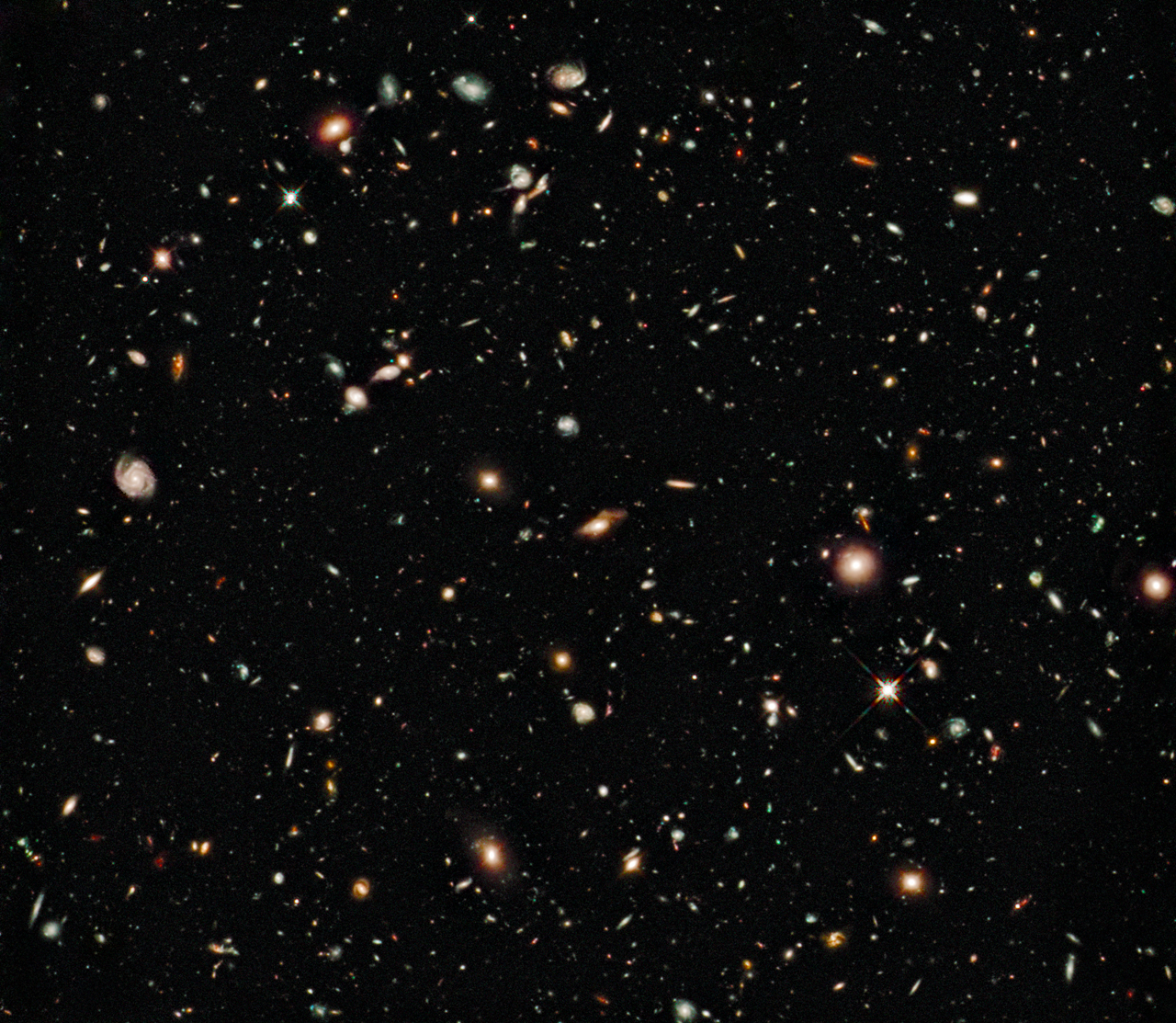
This landmark image of the Hubble Ultra Deep Field represents one of humanity's deepest views into the cosmos, capturing the light of galaxies that existed when the universe was less than a billion years old. By combining infrared observations with earlier visible-light data, Hubble peered through the cosmic fog to reveal galaxies that formed just 600 million years after the Big Bang—a time when the first generation of stars was still ionizing the neutral hydrogen that filled the young universe. Each faint smudge in this image is an entire galaxy containing billions of stars, and the collective light from these ancient systems traveled for over 13 billion years before reaching Hubble's detectors. This extraordinary image demonstrates that galaxies began assembling remarkably early in cosmic history and provides crucial constraints on our understanding of how the first luminous structures emerged from the primordial darkness.
Scientific Significance
The Hubble Ultra Deep Field (HUDF) infrared observations were transformative for our understanding of cosmic dawn — the epoch when the first galaxies emerged from the darkness of the early universe. By extending observations into near-infrared wavelengths, Hubble could detect galaxies whose ultraviolet and visible light had been stretched into the infrared by the expansion of the universe. These observations revealed that galaxy formation began earlier than previously thought, with substantial stellar populations already in place within the first billion years. The HUDF provided the first statistical samples of galaxies at redshifts beyond z=7, enabling measurements of the cosmic star formation rate density across 96% of cosmic history. The discovery of surprisingly mature galaxies at these early epochs challenged models of galaxy formation and indicated that star formation proceeded efficiently in the early universe. The HUDF also provided critical constraints on the timeline of cosmic reionization — the process by which early starlight ionized the neutral hydrogen filling the universe.
Observation Details
The infrared HUDF observations used Hubble's Wide Field Camera 3 (WFC3) in the near-infrared channel, with filters at 1.05, 1.25, and 1.6 micrometers. These wavelengths were chosen to detect the Lyman-alpha break — a distinctive spectral feature that shifts into the infrared for galaxies at redshifts above z=7. The observations required over 100 orbits of WFC3/IR time and were combined with earlier ACS visible-light observations totaling 800 orbits. The final mosaic achieved limiting magnitudes of approximately 29th magnitude in the infrared bands, detecting objects more than four billion times fainter than the human eye can see. Careful data reduction techniques were essential to remove detector artifacts and cosmic ray hits accumulated over the long exposures.
Location in the Universe
Constellation
Fornax
Distance from Earth
Up to 13.2 billion light-years
Fun Facts
- 1
The Hubble Ultra Deep Field contains approximately 10,000 galaxies visible in this tiny patch of sky — an area smaller than a grain of sand held at arm's length.
- 2
Hubble stared at this single spot for nearly 1 million seconds (about 11.3 days) of total exposure time, accumulated over 400 orbits spanning several years.
- 3
The most distant galaxies in this image appear as they did just 400-600 million years after the Big Bang, when the universe was only about 5% of its current age.
Image credit: NASA, ESA, Hubble Space Telescope