About This Image
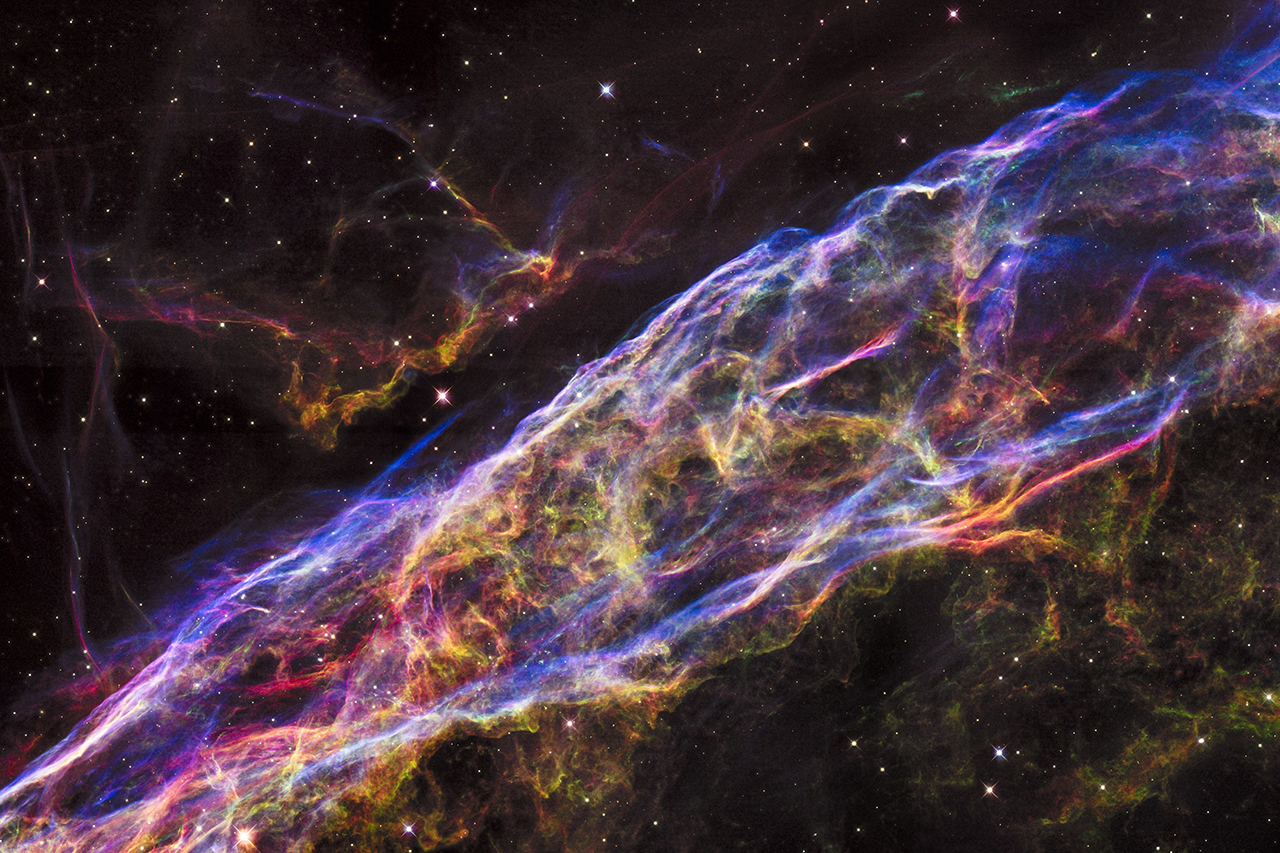
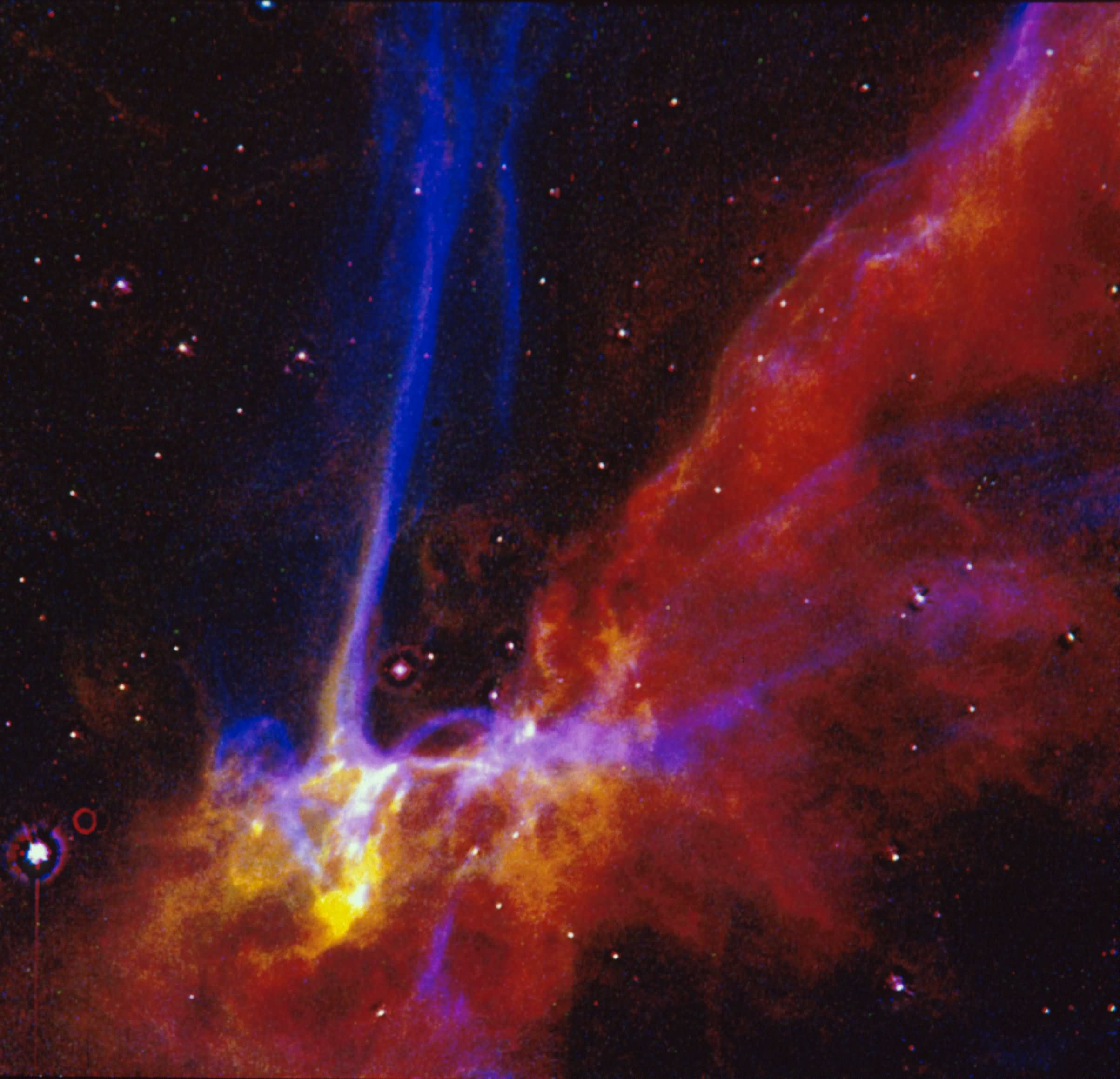
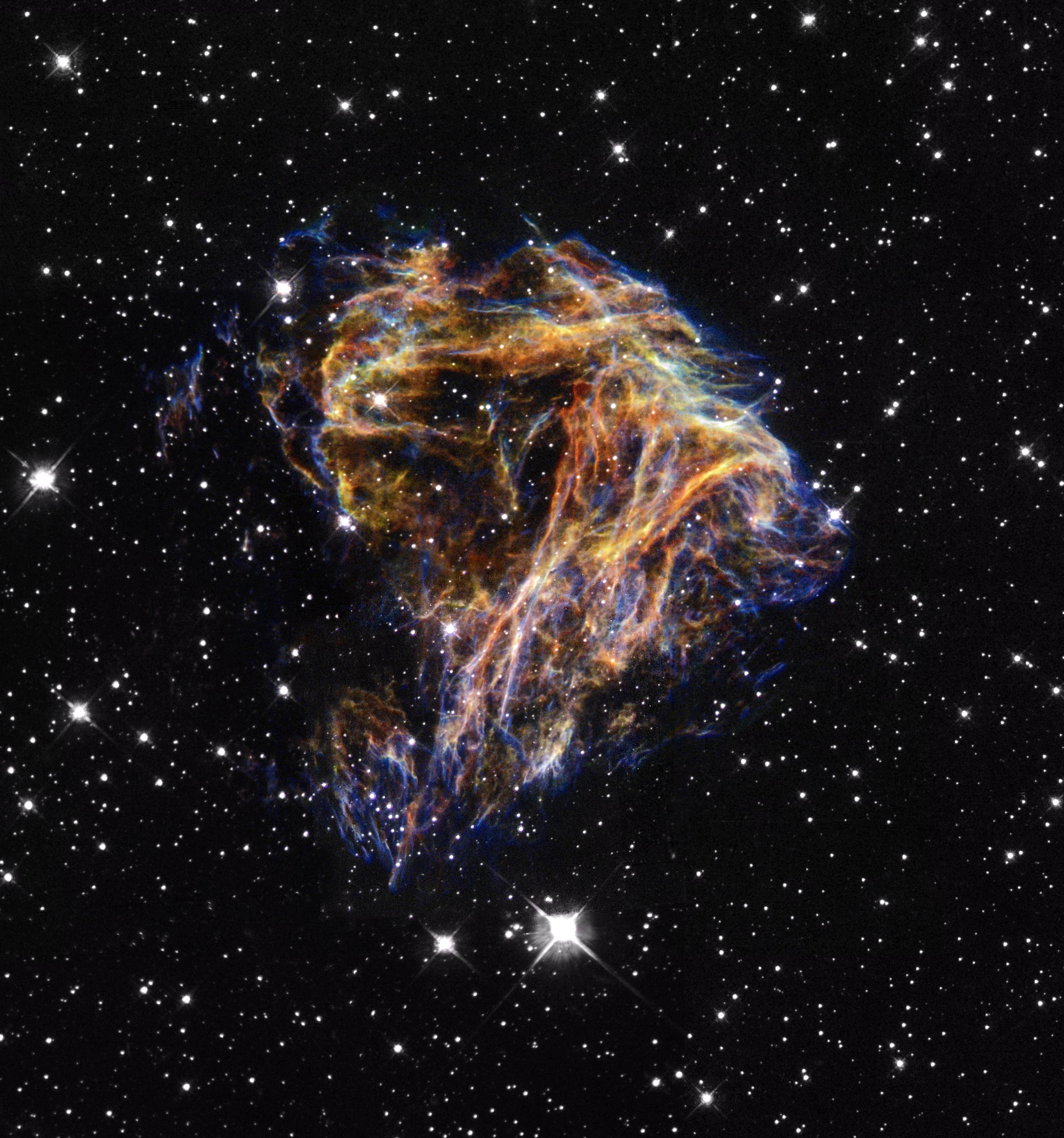
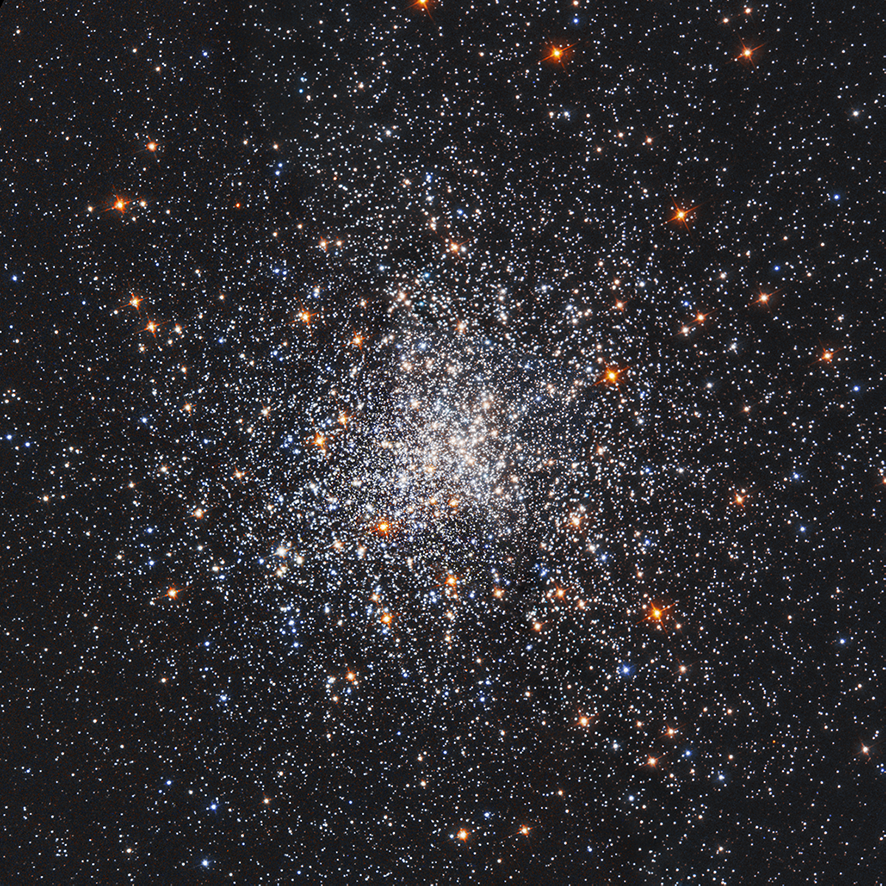
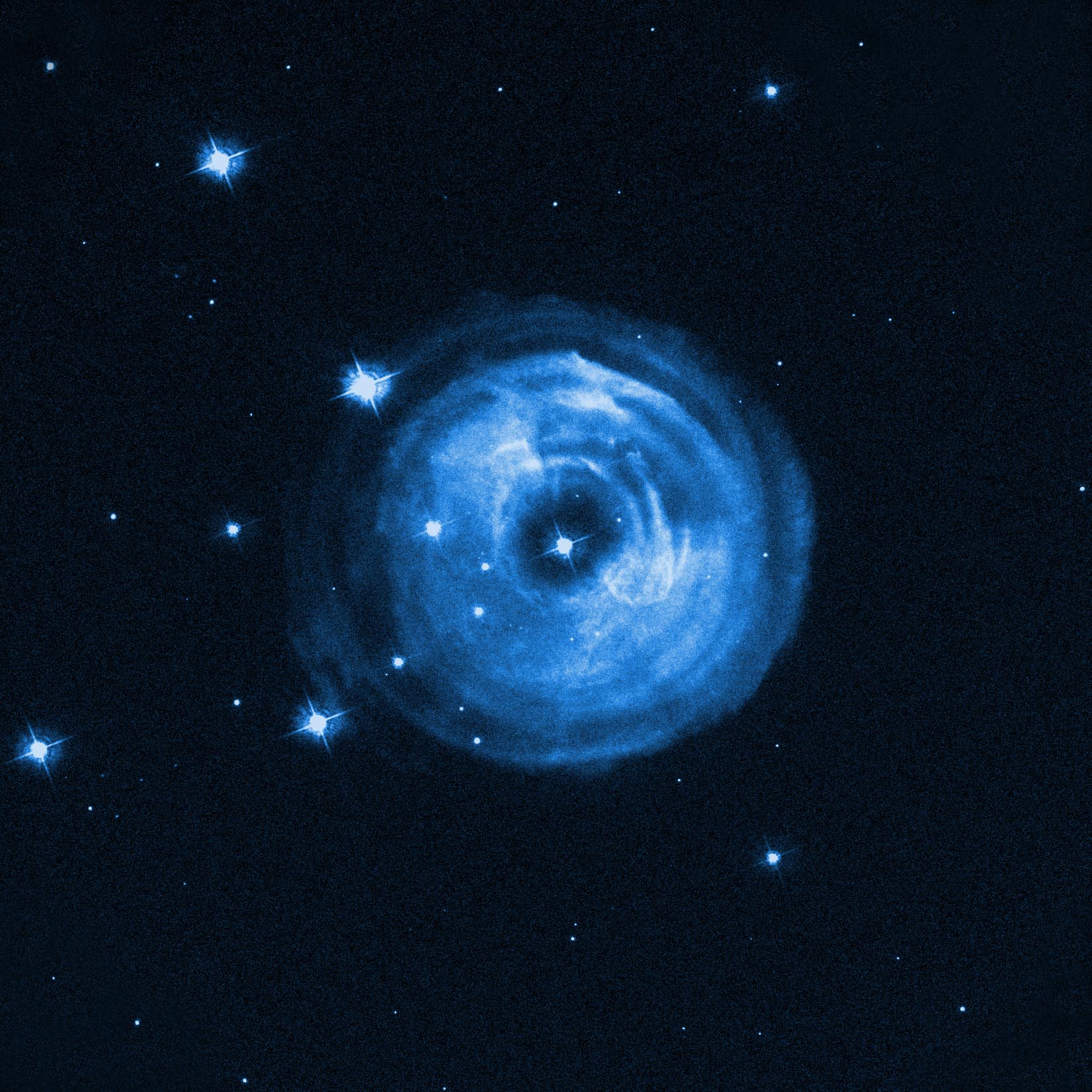
In January 2002, the previously obscure star V838 Monocerotis erupted in a spectacular outburst, briefly becoming 600,000 times more luminous than our Sun and temporarily claiming the title of brightest star in the Milky Way. This Hubble image captures the stunning aftermath: a "light echo" in which the flash of light from the eruption illuminates successive layers of pre-existing interstellar dust surrounding the star, creating the illusion of an expanding shell. In reality, the dust is not moving — rather, light is progressively reaching more distant dust sheets, revealing a three-dimensional sculpture of the circumstellar environment frozen in light. The swirling, multi-colored structures trace complex dust distributions laid down by the star's previous mass-loss episodes over thousands of years. V838 Monocerotis defied classification, as its outburst did not match any known category of stellar eruption, making it one of the most enigmatic events in modern astronomy.
Scientific Significance
V838 Monocerotis represents a genuinely new type of stellar outburst that does not fit neatly into any established category. Unlike classical novae (thermonuclear explosions on a white dwarf surface) or supernovae (catastrophic stellar destruction), V838 Mon's eruption left the star intact but profoundly altered. Several hypotheses have been proposed, including the swallowing of companion planets or a stellar merger event, but no single model fully explains all observed features. The light echo phenomenon provided an unprecedented opportunity to study the three-dimensional structure of circumstellar and interstellar dust, revealing complex layers and filaments that encode the star's mass-loss history. Time-series observations allowed astronomers to measure the distance to V838 Mon geometrically, providing an independent distance determination. The event has motivated new theoretical work on stellar mergers, eruptive mass loss, and the diversity of transient phenomena in the universe.
Observation Details
This image was captured using Hubble's Advanced Camera for Surveys (ACS) in multiple broadband filters spanning blue to near-infrared wavelengths. The multi-color imaging reveals the composition and grain-size distribution of the illuminated dust: bluer regions contain smaller dust grains that scatter short-wavelength light more efficiently, while redder regions indicate larger grains or denser dust. Hubble observed V838 Mon repeatedly over several years, with each successive image showing the light echo expanding outward, revealing new dust structures. Hubble's angular resolution was critical for resolving the fine filamentary details within the echo and tracking its evolution over time.
Location in the Universe
Constellation
Monoceros
Distance from Earth
20,000 light-years
Fun Facts
- 1
The light echo around V838 Monocerotis is essentially a CT scan of the surrounding dust, revealing its three-dimensional structure as the expanding sphere of light illuminates successive layers — a technique no other observation method can replicate.
- 2
Unlike a classical nova, V838 Monocerotis did not expel its outer layers; instead, the star swelled to an enormous size, becoming one of the largest stars known, with a radius exceeding 1,000 times that of the Sun at its peak.
- 3
Hubble monitored V838 Monocerotis over several years, creating a time-lapse sequence of the expanding light echo that became one of the most iconic astronomical image series ever produced.
Image credit: NASA, ESA, Hubble Space Telescope